Water Heater Services
Water Heater Flushing in Lebanon, PA
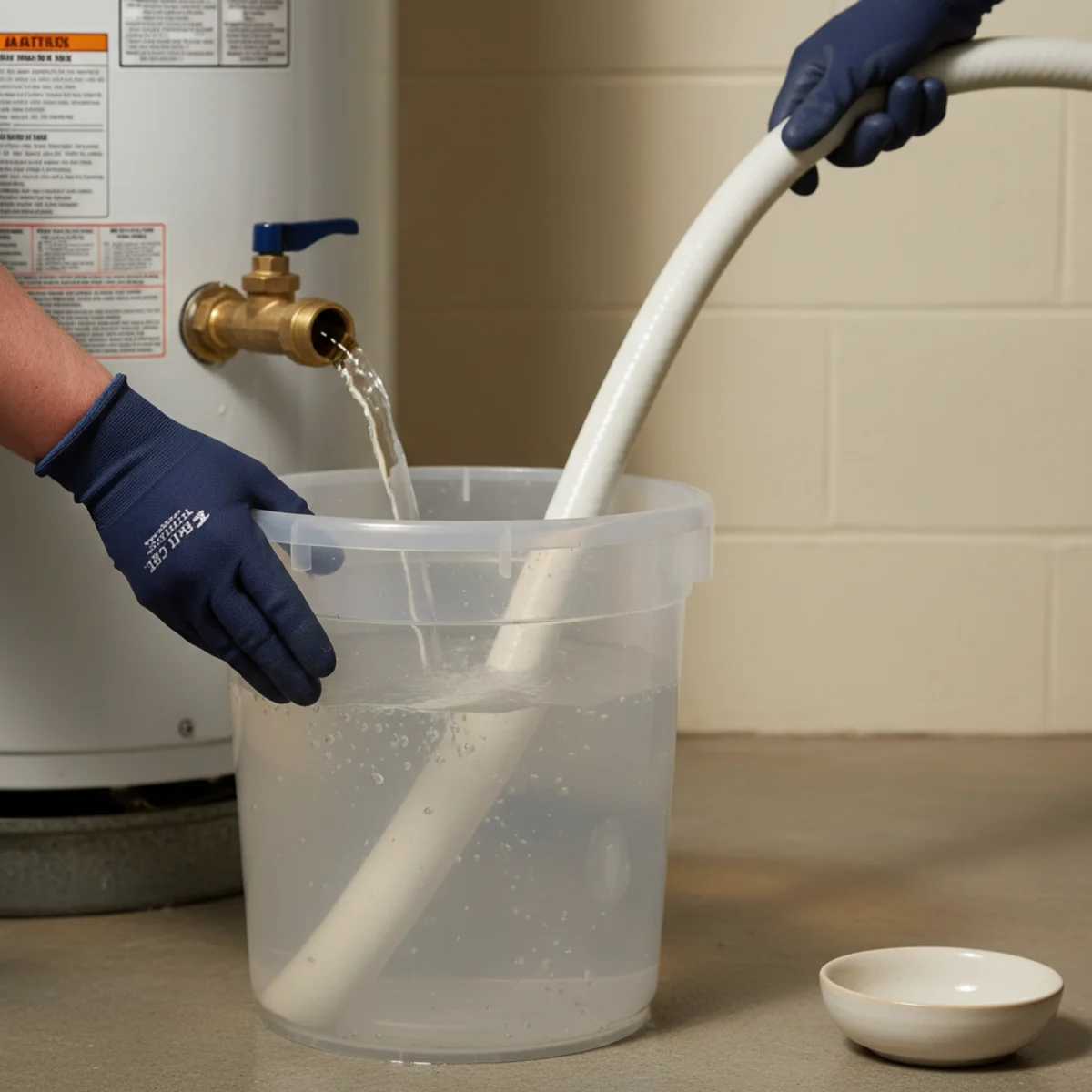
That popping and rumbling is sediment cooking on the bottom of your tank. A proper flush clears it out, restores recovery, and is one of the best things you can do here.
- Licensed & insured service approach
- Same-day service available
- Tank & tankless experts
- Upfront options before work begins
- Local Lebanon County service
- Emergency water heater help
If your water heater makes a rumbling, popping, or knocking sound when it fires up, that noise has a name: sediment. Hard water deposits — mostly calcium and magnesium — settle on the bottom of the tank over time and form a layer that sits between the burner and the water. The burner has to work harder and longer, the water takes more time to heat, and the tank itself ages faster than it should.
Lebanon County water is not forgiving. Municipalities across the county draw from sources with notable mineral content, and homeowners on private wells in areas like Jonestown, Fredericksburg, and Schaefferstown often deal with even harder water. Without regular flushing, a water heater in Lebanon that might last 12 years in softer conditions can start failing at 8 or 9. A yearly flush is inexpensive maintenance. Replacing a tank years early because sediment destroyed it is not.
We drain and flush the tank fully, check the drain valve condition while we're there, and inspect the anode rod and T&P valve as part of the same visit. You leave with a unit that recovers faster and a clear picture of how much life it has left.
What we cover
- Full sediment flush and tank drain
- Drain valve inspection and replacement if needed
- Anode rod check and replacement recommendation
- T&P valve inspection during service
- Recovery time and temperature assessment
- Hard-water sediment load evaluation
- Flushing cadence recommendation based on water hardness
- Tankless water heater descaling
- Cold-water inlet filter inspection
- Post-flush unit performance check
- Honest assessment of remaining tank life
What sediment actually does to your water heater
On a gas water heater, sediment sits directly above the burner flame. The layer of mineral deposits acts as insulation — the heat has to work through it to reach the water. That's why the tank takes longer to recover and makes that characteristic crackling or rumbling sound: water trapped in the sediment layer is vaporizing and escaping. That repeated thermal stress ages the tank lining faster than normal operation would.
On an electric water heater, sediment buries the lower heating element. The element heats the sediment rather than the water, runs hotter than it should, and burns out sooner. The upper element picks up the slack, which means you still have some hot water — but less of it, and the unit is working harder for every gallon.
Neither scenario is one you want to ignore. The good news is it's entirely preventable with a regular flush.
How often should you flush in Lebanon County?
The general guidance for water heaters is a flush every year. In Lebanon County, where water hardness runs on the higher side, once a year is the minimum. If your water is particularly hard — common on private wells in the Jonestown and Fredericksburg areas, or in certain parts of Myerstown — flushing twice a year is not excessive.
If you've never flushed the unit and it's several years old, the drain valve may not cooperate on the first attempt. Sediment can clog the valve itself, and forcing it can cause it to drip afterward. We handle this carefully and replace the valve if needed rather than forcing the issue and creating a new problem.
A water softener significantly reduces sediment load and can extend the interval between flushes. If you haven't considered one for a Lebanon County home, our water softener service page explains what they do for hot water equipment specifically.
The full picture: what we check during a flush
A flush isn't just draining the tank. We treat it as a maintenance visit. While we have the unit open, we inspect the anode rod — the sacrificial metal rod that protects the tank lining from corrosion. When the anode rod is depleted, the tank itself starts to corrode from the inside. Most manufacturers recommend checking it every 2 to 3 years; in hard water, annual inspection is smarter. A new anode rod costs a fraction of a new tank.
We also check the T&P valve function and the drain valve condition, note the unit's age and overall condition, and give you an honest read on how much service life remains. If you've been putting off maintenance and the unit is getting on in years, that's useful information — it helps you plan a replacement on your schedule rather than in a panic. See our full water heater maintenance page for the complete tune-up scope.
Tankless water heaters need descaling, not flushing
Tankless water heaters don't collect sediment the same way storage tanks do, but they have their own hard-water problem: scale buildup inside the heat exchanger. As water flows through the narrow passages of a tankless unit, calcium and magnesium deposits restrict flow and cut efficiency. The result is lower output temperatures and, eventually, error codes and shutdowns.
Descaling a tankless unit involves circulating a cleaning solution through the heat exchanger to dissolve the scale. In Lebanon County's water conditions, this should happen at least annually for most units. It's a scheduled service visit, not an emergency repair — and doing it consistently keeps the unit performing at its rated output and extends its service life substantially.
Local & dependable
Built for Lebanon County homes
Lebanon County sits in the limestone-heavy geology of Central Pennsylvania, and that geology puts significant calcium and magnesium into the water supply. Whether you're on Lebanon city water, Palmyra borough water, or a private well in the rural eastern end of the county near Schaefferstown, you're dealing with water that works against your water heater year after year. We see the effects every week on flush calls: tanks with inches of hard sediment at the bottom, drain valves cemented shut by mineral deposits, anode rods fully depleted in well-water homes where they'd last twice as long in softer conditions. A yearly flush is one of the simplest, highest-value things a Lebanon County homeowner can do for their water heater.
Simple & transparent
What to Expect on a Service Visit
No mystery, no runaround — here's exactly how a visit works, from your first call to clean hot water.
- 1
Call or request service
Tell us what your water heater is doing — no hot water, a leak, strange noises — and we set up a same-day or scheduled visit.
- 2
Inspect the unit & connections
We check the tank, burner or elements, thermostat, valves, venting, and the surrounding plumbing for the real cause.
- 3
Diagnose & explain options
You get a straight diagnosis and clear repair-or-replace options with upfront pricing before any work begins.
- 4
Complete the approved work
Once you choose, we complete the repair or installation cleanly, to code, with quality parts.
- 5
Test, clean up & advise
We confirm hot water is back, clean the work area, and share simple maintenance tips for our local water.
No surprises
Honest, Upfront Pricing — No Hidden Fees
The number we give you before we start is the number you pay. No mystery trip charges, no estimate that balloons on the invoice, and no pressure to replace a unit that can be fixed.
Upfront price, every time
You get a clear price before any work begins — never a vague “we'll see when we get there.”
No surprise trip fees
What we quote is what you pay. No mystery charges quietly added to the final invoice.
Honest repair-or-replace advice
If a fix makes more sense than a replacement, we say so. We don't upsell a tank that has good years left.
No-pressure recommendations
We lay out your options with typical, estimated ranges, then let you decide on your own timeline.
Why us
Why Homeowners Choose Lebanon Water Heater Pros
Genuinely local
We focus on Lebanon and the surrounding county, so we know the older basements, the hard water, and the cold-snap failures firsthand.
Fast response
No hot water is an emergency. We prioritize same-day appointments and clear arrival windows instead of vague all-day waits.
Licensed & insured approach
Work is handled by licensed, insured local pros who follow Pennsylvania code — and we tell you straight when a permit is involved.
Clear communication
You hear what's wrong, what your options are, and what each one costs before anyone picks up a wrench.
Upfront options
Repair or replace, tank or tankless — we lay out the honest trade-offs so you decide, with no pressure.
Respect for your home
Drop cloths, clean shoes, and a tidy work area. We leave your utility room better than we found it.
Related services
More ways we can help
Maintenance & Tune-Up
Flushing, anode-rod checks, T&P valve testing, and tankless descaling to extend unit life.
Learn moreWater Heater Repair
Fast diagnosis and repair for gas and electric units — no hot water, leaks, noises, and pilot problems.
Learn moreWater Softener Service
Whole-home water softener service to tame Lebanon County hard water and protect your fixtures.
Learn moreExpansion Tanks
Thermal expansion tank installation and service to control pressure and protect your system.
Learn moreTankless Water Heaters
Tankless install, repair, descaling, and error-code diagnosis — endless hot water, less space.
Learn moreService areas
Flushing & Sediment near you
We serve Lebanon and the surrounding communities. Find your town or just give us a call.
Get started
Request service
Tell us what's going on and we'll reach out to confirm a time.
Good questions
Flushing & Sediment FAQs
From our blog
Helpful Water Heater Guides
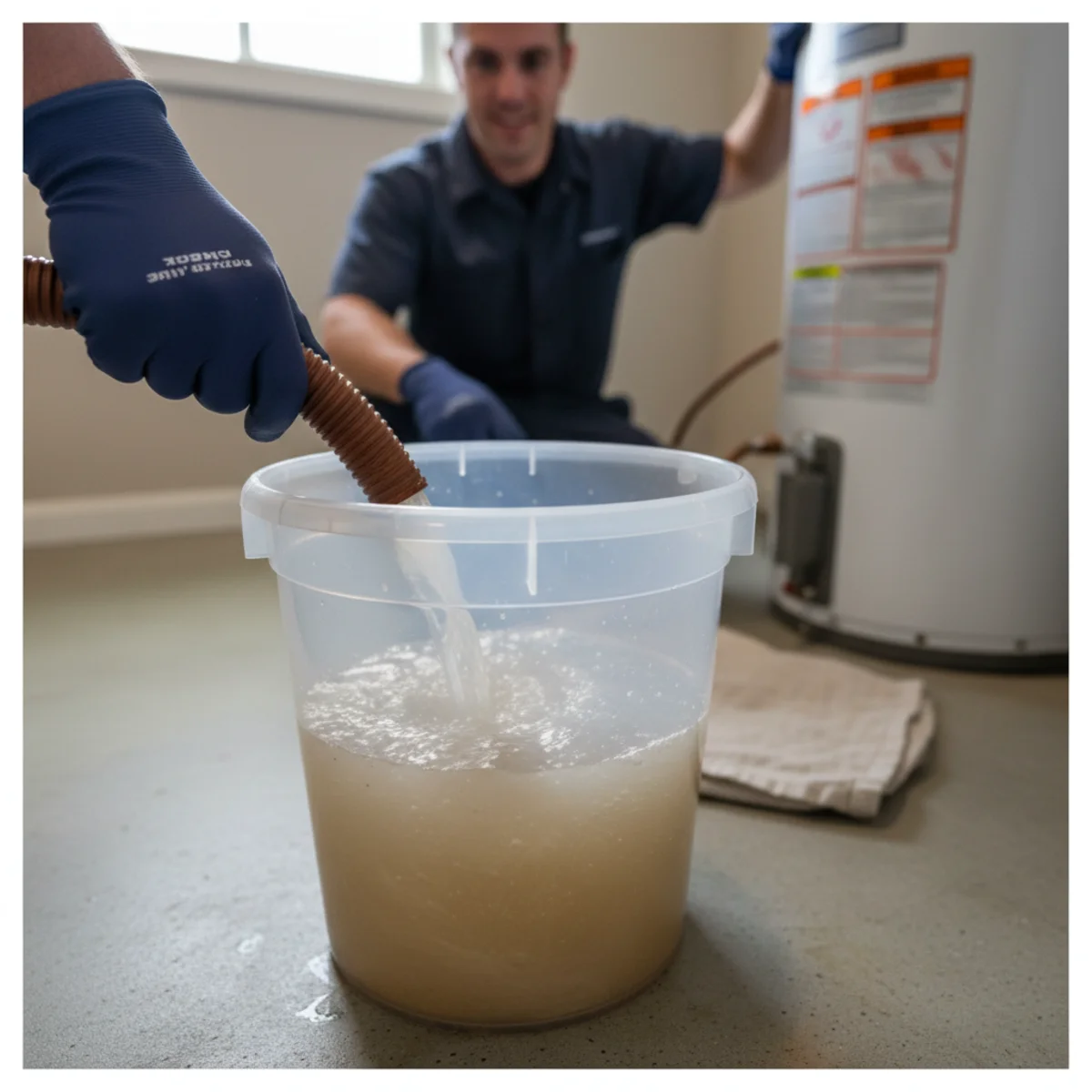
Water Heater Flushing: Why, When, and How to Drain It
Flushing your water heater is the single most neglected maintenance task in most homes. In Lebanon County's hard water, skipping it is how you turn a 12-year water heater into a 7-year water heater.
6 min read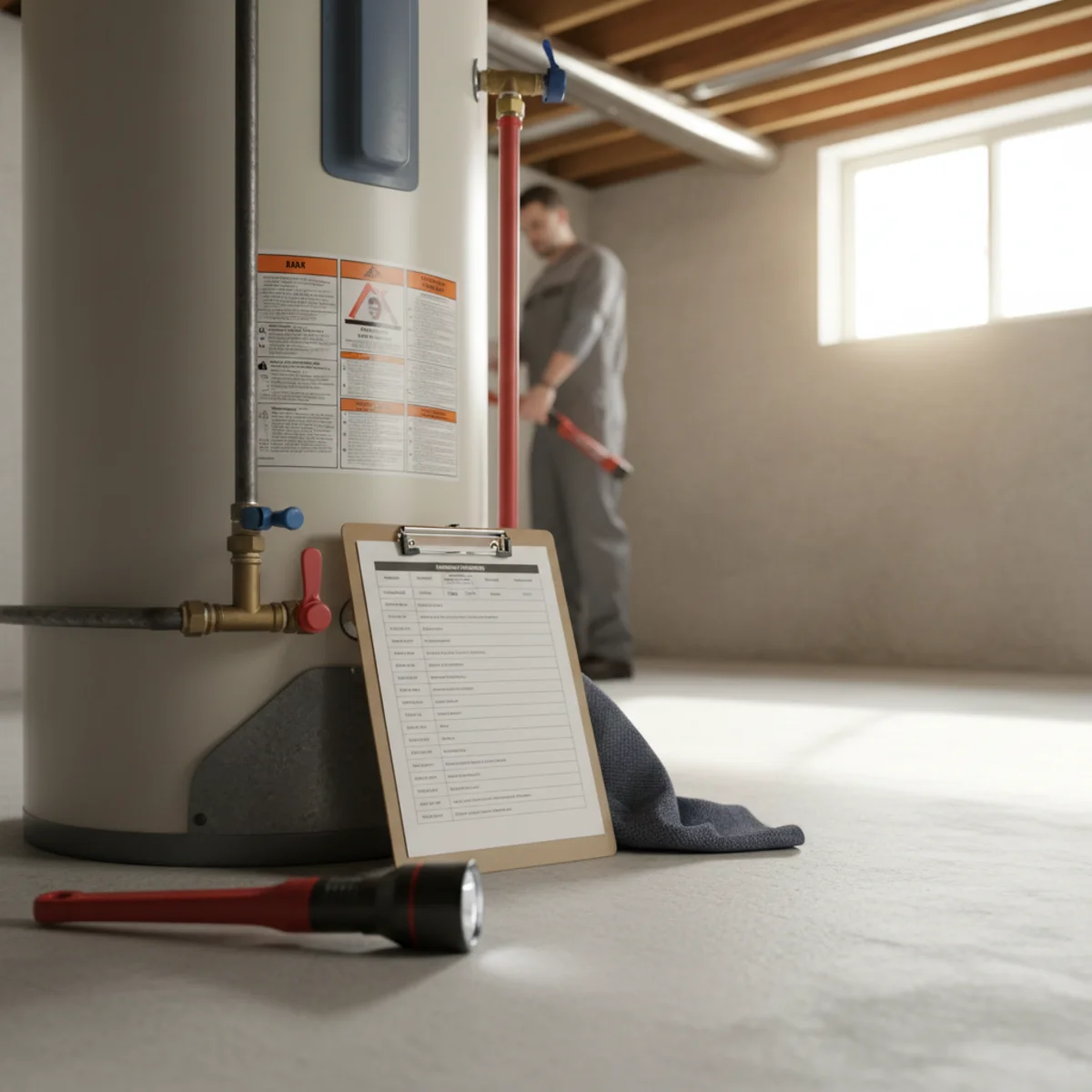
The Annual Water Heater Maintenance Checklist
Annual water heater maintenance takes less than an hour and can add years to your unit's life. This checklist covers every task worth doing—especially in Lebanon County's hard water.
7 min read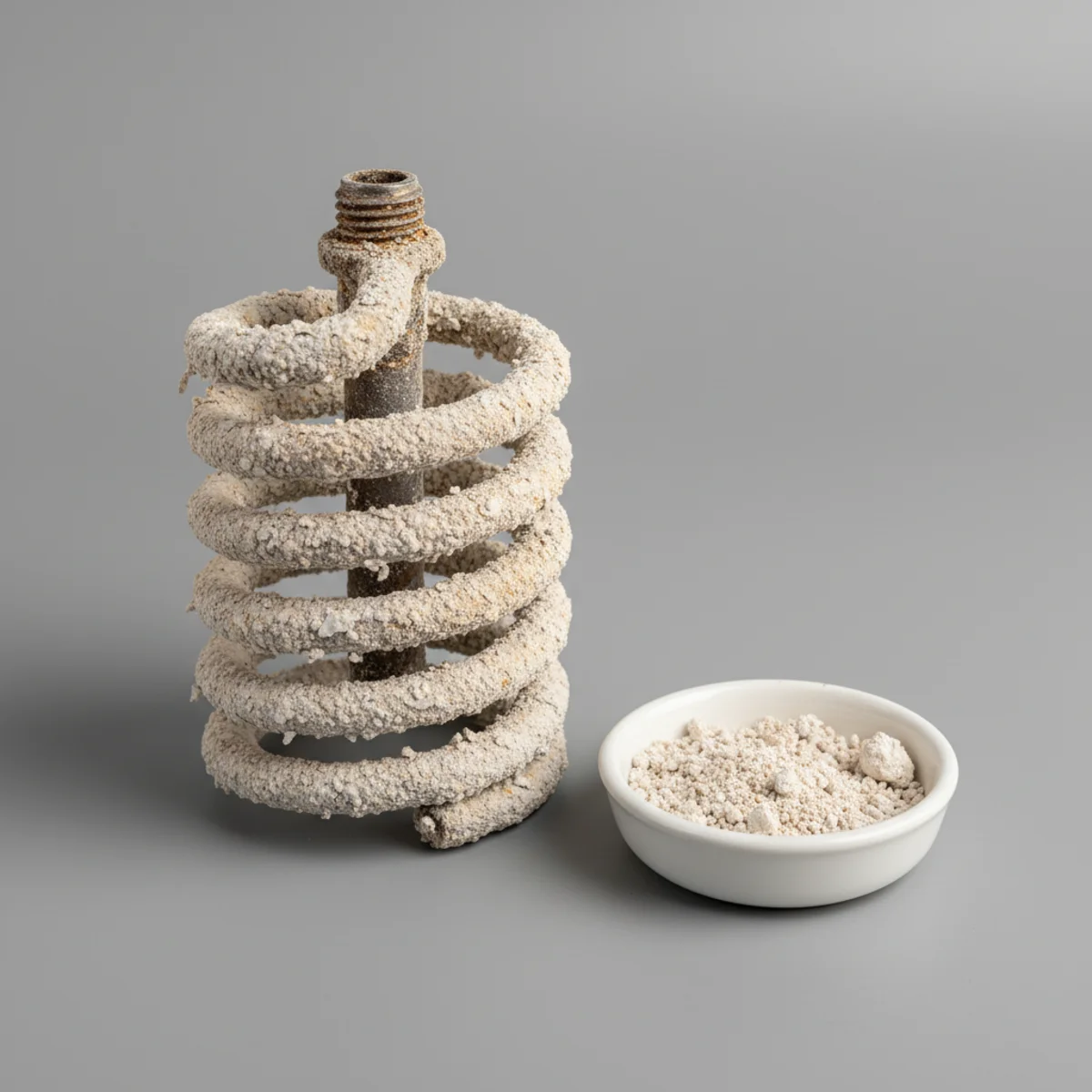
How Hard Water Wrecks Water Heaters (and What the Anode Rod Does)
Lebanon County tap water is loaded with calcium and magnesium. That mineral load quietly destroys water heaters from the inside out — unless you know what to do about it.
6 min readCall now for water heater service in Lebanon, PA
Repair, replacement, installation, or tankless — talk to a local crew that knows Lebanon County homes and hard water.
Same-day appointments available • Emergency water heater help