Water Heater Services
Gas Water Heater Service in Lebanon, PA
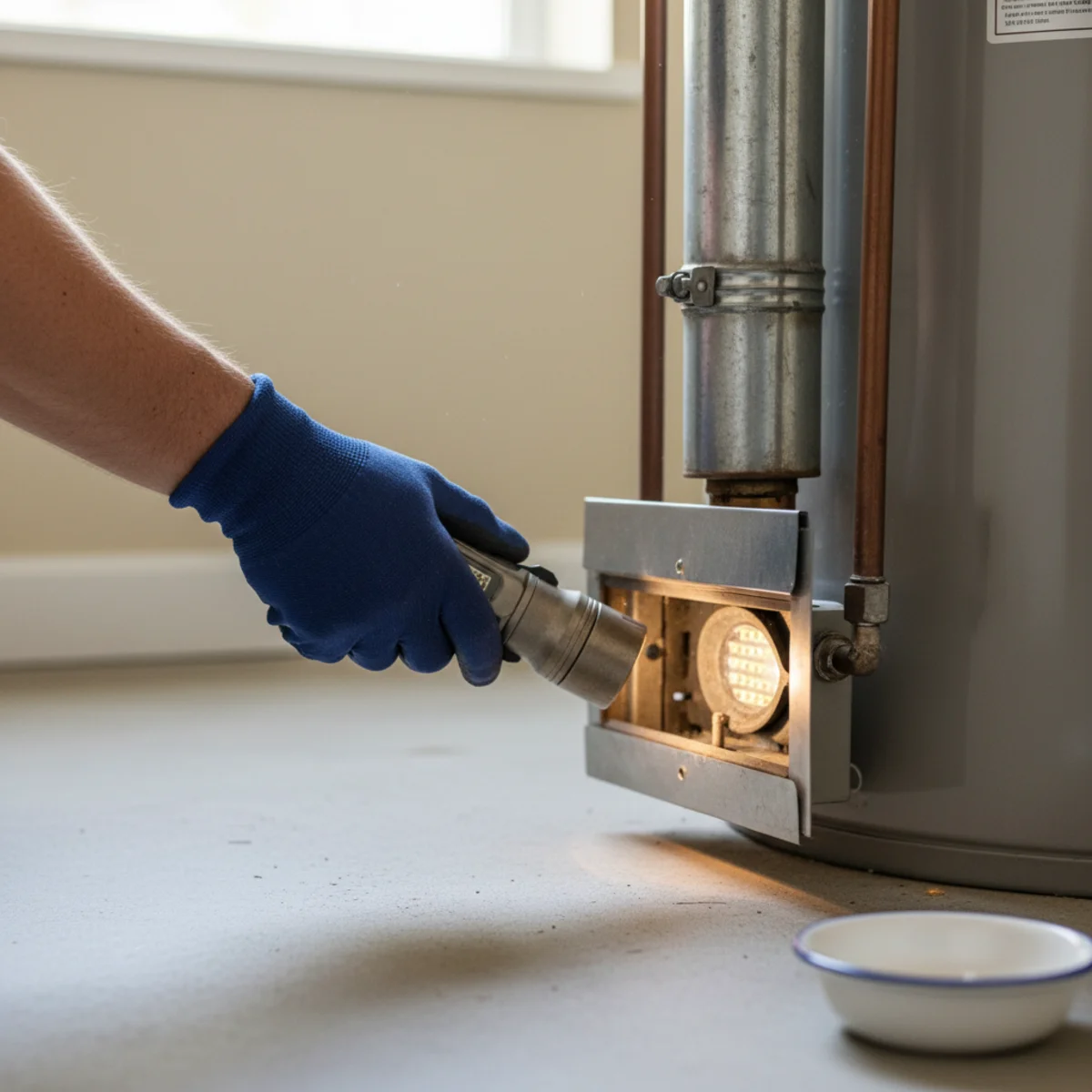
Pilot won't stay lit? Weak burner or a venting worry? We service gas water heaters carefully and methodically, because combustion and venting are no place to guess.
- Licensed & insured service approach
- Same-day service available
- Tank & tankless experts
- Upfront options before work begins
- Local Lebanon County service
- Emergency water heater help
A gas water heater that won't stay lit, produces only lukewarm water, or smells odd when it fires is telling you something is wrong — and gas appliances don't give you the luxury of guessing. Combustion, venting, and gas supply all have to work correctly together. When one element is off, the consequences range from no hot water to a carbon monoxide hazard.
Gas water heater service requires a careful, systematic approach. We check the full system — pilot, thermocouple, gas control valve, burner assembly, flue, and venting — before touching any single component. That's how you fix the real problem instead of swapping parts until something works.
Our local crew handles gas water heater diagnosis and repair across Lebanon and the surrounding county with upfront pricing before any work begins. Licensed and insured local pros who work on gas systems every day.
What we cover
- Pilot light diagnosis and repair
- Thermocouple and thermopile replacement
- Gas control valve service and replacement
- Burner assembly cleaning and replacement
- Flue and venting inspection and correction
- Combustion safety checks
- Gas supply pressure verification
- Sediment flush on gas storage tanks
- T&P valve testing and replacement
- Gas line leak checks at connections
Gas safety first — an explicit warning
If you smell gas (a rotten-egg or sulfur odor) near your water heater or anywhere in your home, stop what you are doing. Leave the home immediately. Do not turn lights on or off. Do not use your phone until you are outside. Call your gas utility or 911 from outside the home. Do not re-enter until emergency personnel have cleared the situation.
Gas repairs are not a DIY task and not something to attempt without proper training and equipment. Never attempt to repair a gas valve, gas line, or burner yourself. We handle that work — but gas emergencies go to the utility and 911 first, every time.
How we diagnose a gas water heater problem
A pilot that won't stay lit has four likely causes: a worn thermocouple that can't hold the safety valve open, a dirty or damaged pilot orifice, a faulty gas control valve, or insufficient gas supply pressure. We test each element in order so we replace only what's failed — not everything in the vicinity.
Burner problems usually show up as yellow or orange flame instead of blue, soot around the burner compartment, or a unit that fires and then shuts down on high-limit. These are combustion-quality issues tied to airflow and gas-air mixture, not just a dirty burner. We trace the cause rather than cleaning a surface and hoping.
Venting — the part that's often overlooked
A gas water heater that works fine in isolation but produces carbon monoxide or back-drafts into the house usually has a venting problem. Flue pipes corrode, connections loosen, and termination caps plug with debris. We check the full vent path — draft, pipe condition, pitch, and clearances — not just the unit itself. An improperly venting gas appliance is a health hazard, not just an efficiency loss.
Repair or replacement on a gas unit
Most gas water heater faults — a thermocouple, a gas valve, a dirty burner — are straightforward repairs when the tank itself is sound. When the tank has rusted through, the flue is corroded beyond reasonable repair, or the unit is 10-plus years old and on its second or third major component, replacement is the more honest path. We walk you through both options with typical estimated ranges. See our replacement page for what that job involves.
Compare your options
Which Water Heater Type Fits Your Home?
Tank, tankless, gas, electric, or heat pump — here's how the common options stack up for a Lebanon County home.
| Type | Best for | Efficiency (UEF*) | Avg. lifespan | Space |
|---|---|---|---|---|
| Gas storage tank | Homes with natural gas; high hot-water demand | Moderate (UEF ~0.60–0.75) | 8–12 yrs | Large footprint; venting clearance required |
| Electric storage tank | Homes without gas service; lower upfront cost | Standard (UEF ~0.90–0.95) | 10–15 yrs | Large footprint; no venting needed |
| Gas tankless | High demand; limited space; long-term savings | High (UEF ~0.82–0.96) | 15–20 yrs | Compact, wall-mounted; venting required |
| Electric tankless | Small households; point-of-use needs | High (UEF ~0.95+) | 10–15 yrs | Very compact; may need a panel upgrade |
| Heat pump | Maximum energy savings; adequate ambient space | Very high (UEF ~2.0–3.5+) | 10–15 yrs | Large; needs clearance + warm ambient air |
*UEF (Uniform Energy Factor) ranges are typical and should be verified against current ENERGY STAR specifications before purchase. Lebanon County's hard water and sediment can reduce real-world efficiency and lifespan below manufacturer ratings.
Local & dependable
Built for Lebanon County homes
Gas water heaters are the dominant type in Lebanon County, from the brick rowhouses along Cumberland Street in downtown Lebanon to rural farmhouses out toward Schaefferstown that run on propane because natural gas doesn't reach that far. Propane units have slightly different pressure and orifice specs than natural gas — a detail that matters when diagnosing a burner problem. Older homes in the historic district sometimes have original flue chases shared with other appliances, which means venting checks are critical and not optional. We know both the natural-gas infrastructure in Lebanon proper and the propane setups common in the rural stretches of the county.
Simple & transparent
What to Expect on a Service Visit
No mystery, no runaround — here's exactly how a visit works, from your first call to clean hot water.
- 1
Call or request service
Tell us what your water heater is doing — no hot water, a leak, strange noises — and we set up a same-day or scheduled visit.
- 2
Inspect the unit & connections
We check the tank, burner or elements, thermostat, valves, venting, and the surrounding plumbing for the real cause.
- 3
Diagnose & explain options
You get a straight diagnosis and clear repair-or-replace options with upfront pricing before any work begins.
- 4
Complete the approved work
Once you choose, we complete the repair or installation cleanly, to code, with quality parts.
- 5
Test, clean up & advise
We confirm hot water is back, clean the work area, and share simple maintenance tips for our local water.
No surprises
Honest, Upfront Pricing — No Hidden Fees
The number we give you before we start is the number you pay. No mystery trip charges, no estimate that balloons on the invoice, and no pressure to replace a unit that can be fixed.
Upfront price, every time
You get a clear price before any work begins — never a vague “we'll see when we get there.”
No surprise trip fees
What we quote is what you pay. No mystery charges quietly added to the final invoice.
Honest repair-or-replace advice
If a fix makes more sense than a replacement, we say so. We don't upsell a tank that has good years left.
No-pressure recommendations
We lay out your options with typical, estimated ranges, then let you decide on your own timeline.
Why us
Why Homeowners Choose Lebanon Water Heater Pros
Genuinely local
We focus on Lebanon and the surrounding county, so we know the older basements, the hard water, and the cold-snap failures firsthand.
Fast response
No hot water is an emergency. We prioritize same-day appointments and clear arrival windows instead of vague all-day waits.
Licensed & insured approach
Work is handled by licensed, insured local pros who follow Pennsylvania code — and we tell you straight when a permit is involved.
Clear communication
You hear what's wrong, what your options are, and what each one costs before anyone picks up a wrench.
Upfront options
Repair or replace, tank or tankless — we lay out the honest trade-offs so you decide, with no pressure.
Respect for your home
Drop cloths, clean shoes, and a tidy work area. We leave your utility room better than we found it.
Smell Gas? Safety Comes Before Service
Gas water heaters are safe when they're set up and maintained right — but a suspected gas leak is an emergency, not a repair call. If you smell rotten eggs or sulfur near a gas appliance, act first and call us second.
We never ask you to troubleshoot a gas leak yourself. Once your gas utility has made the area safe, we handle the burner, thermocouple, gas control valve, flue, and venting — carefully, with combustion and carbon-monoxide safety in mind.
If you suspect a gas leak
- 1Don't flip switches, light a flame, or use anything that could create a spark.
- 2Get everyone out of the house and leave the door open behind you.
- 3From outside, call your gas utility's emergency line or 911.
- 4Don't go back inside or try to find or fix the leak yourself.
- 5Once the utility makes the area safe, call us to inspect and repair the unit.
Related services
More ways we can help
Water Heater Repair
Fast diagnosis and repair for gas and electric units — no hot water, leaks, noises, and pilot problems.
Learn moreTankless Water Heaters
Tankless install, repair, descaling, and error-code diagnosis — endless hot water, less space.
Learn moreElectric Water Heaters
Heating elements, thermostats, breakers, wiring, and reset-button issues, diagnosed and fixed.
Learn moreWater Heater Replacement
Code-compliant replacement with old-unit removal, correct sizing, and clean connections.
Learn moreEmergency Water Heater Service
Urgent help for leaks, total failures, and no hot water — fast response and safe shut-down guidance.
Learn moreService areas
Gas Water Heaters near you
We serve Lebanon and the surrounding communities. Find your town or just give us a call.
Get started
Request service
Tell us what's going on and we'll reach out to confirm a time.
Good questions
Gas Water Heaters FAQs
From our blog
Helpful Water Heater Guides
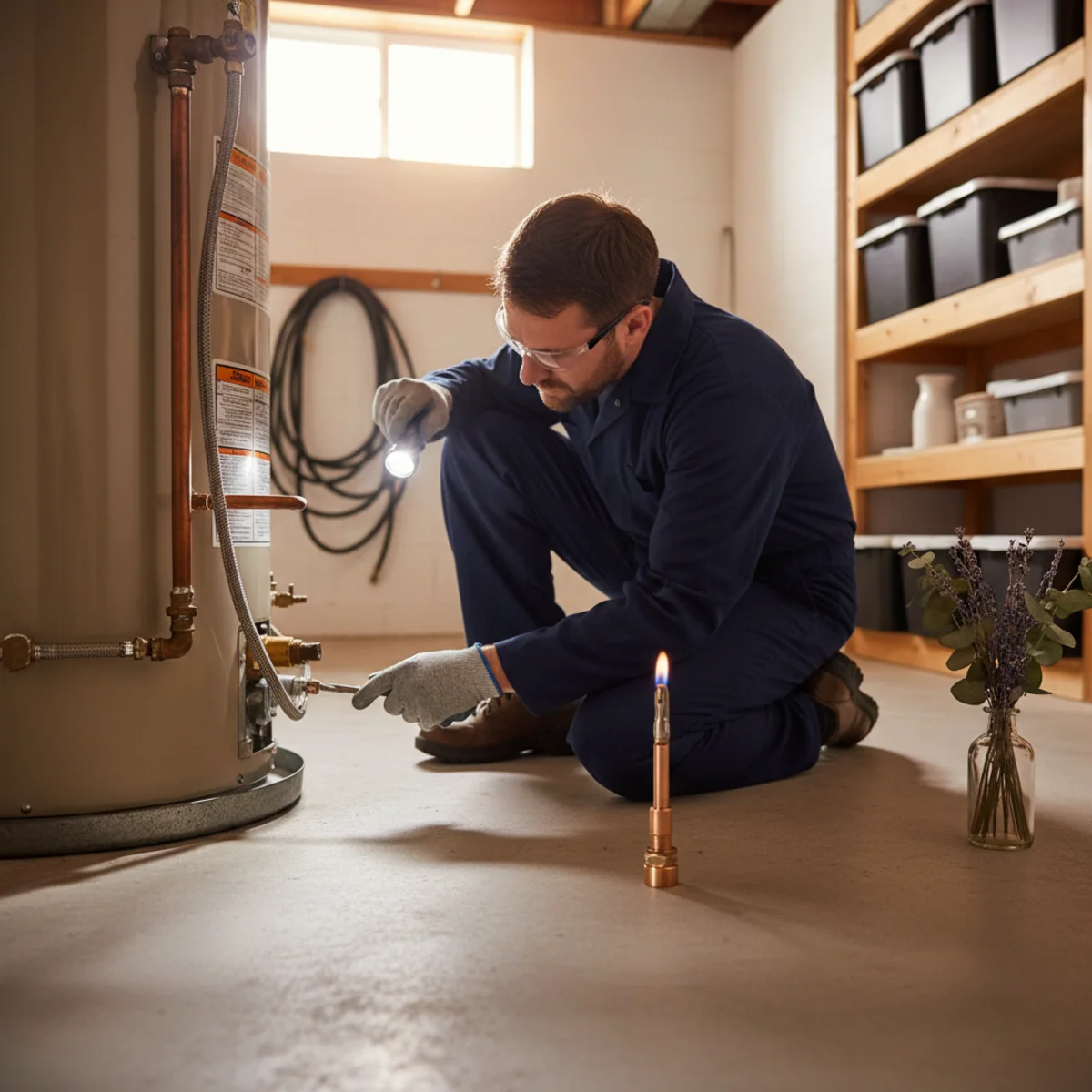
Gas Water Heater Pilot Light Keeps Going Out? Here's Why
A gas water heater pilot light that keeps going out is one of the most common service calls we get. The fix is usually a thermocouple or thermopile replacement — and it is not something to put off.
6 min read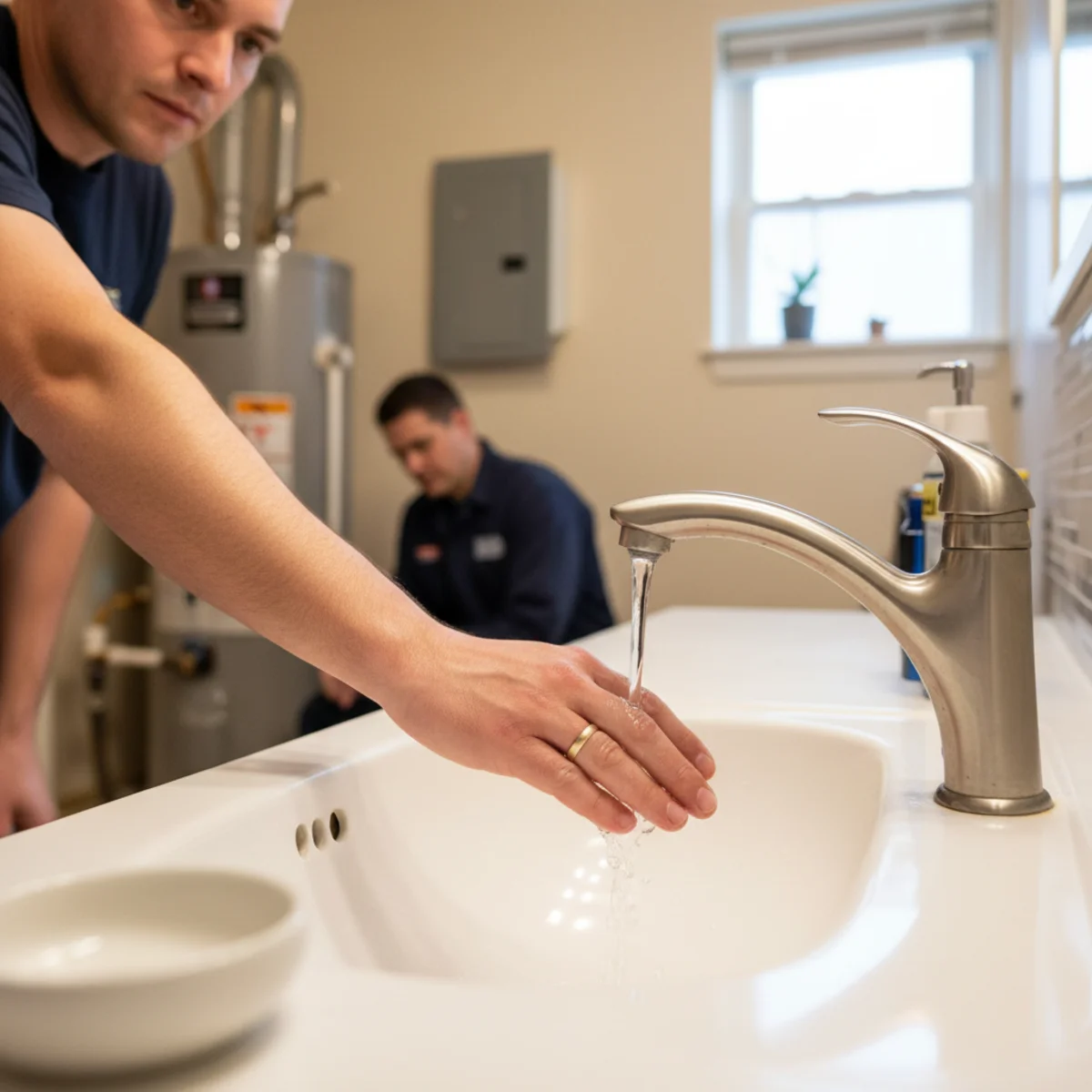
No Hot Water? A Step-by-Step Troubleshooting Guide
No hot water is one of the most frustrating household problems—but it has a short list of causes. Work through this guide to find yours and know what to do next.
7 min read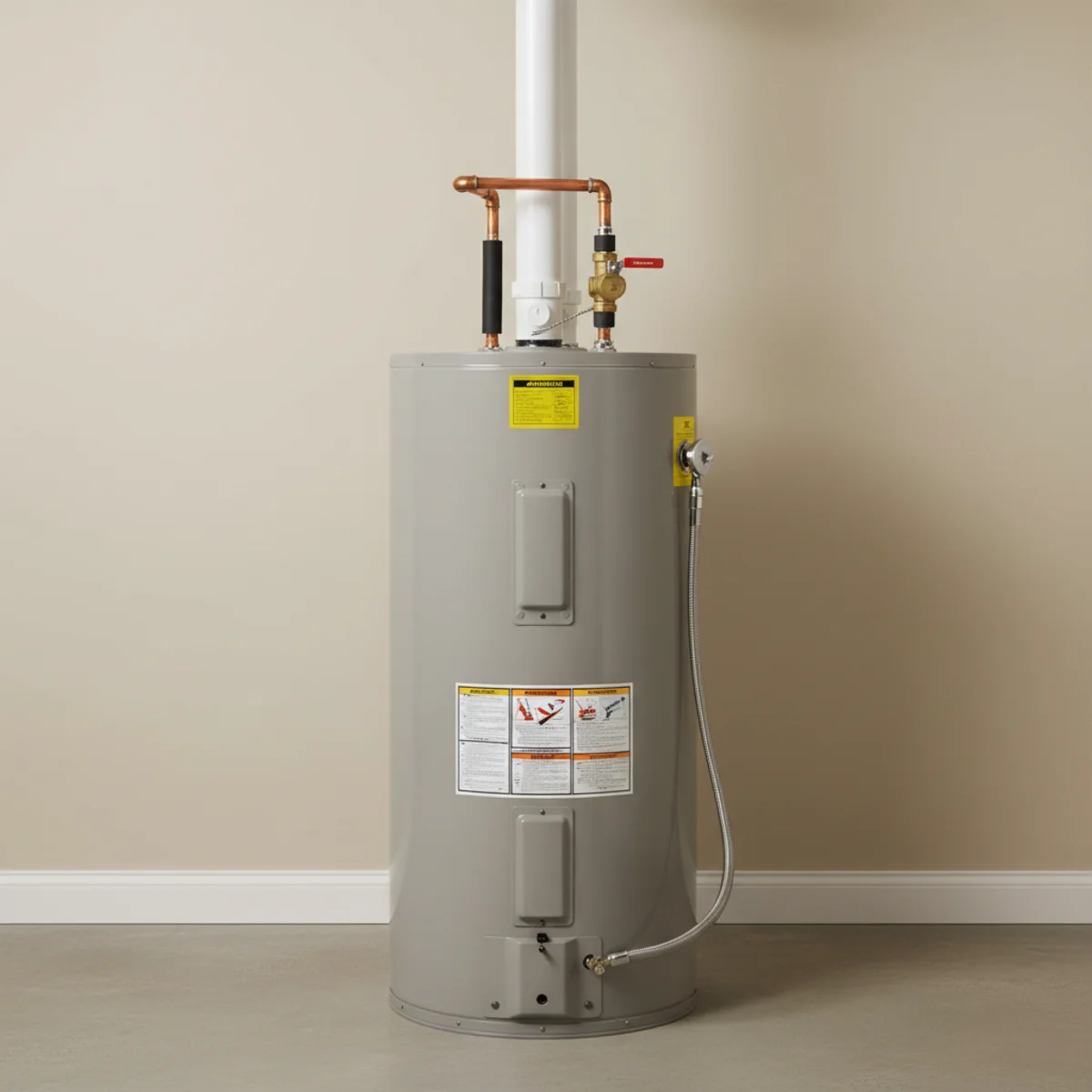
Repair or Replace Your Water Heater? How to Decide
Deciding whether to repair or replace your water heater comes down to age, repair cost, and what the unit has left in it. Here's a practical framework for making that call.
7 min readCall now for water heater service in Lebanon, PA
Repair, replacement, installation, or tankless — talk to a local crew that knows Lebanon County homes and hard water.
Same-day appointments available • Emergency water heater help