No Hot Water? A Step-by-Step Troubleshooting Guide
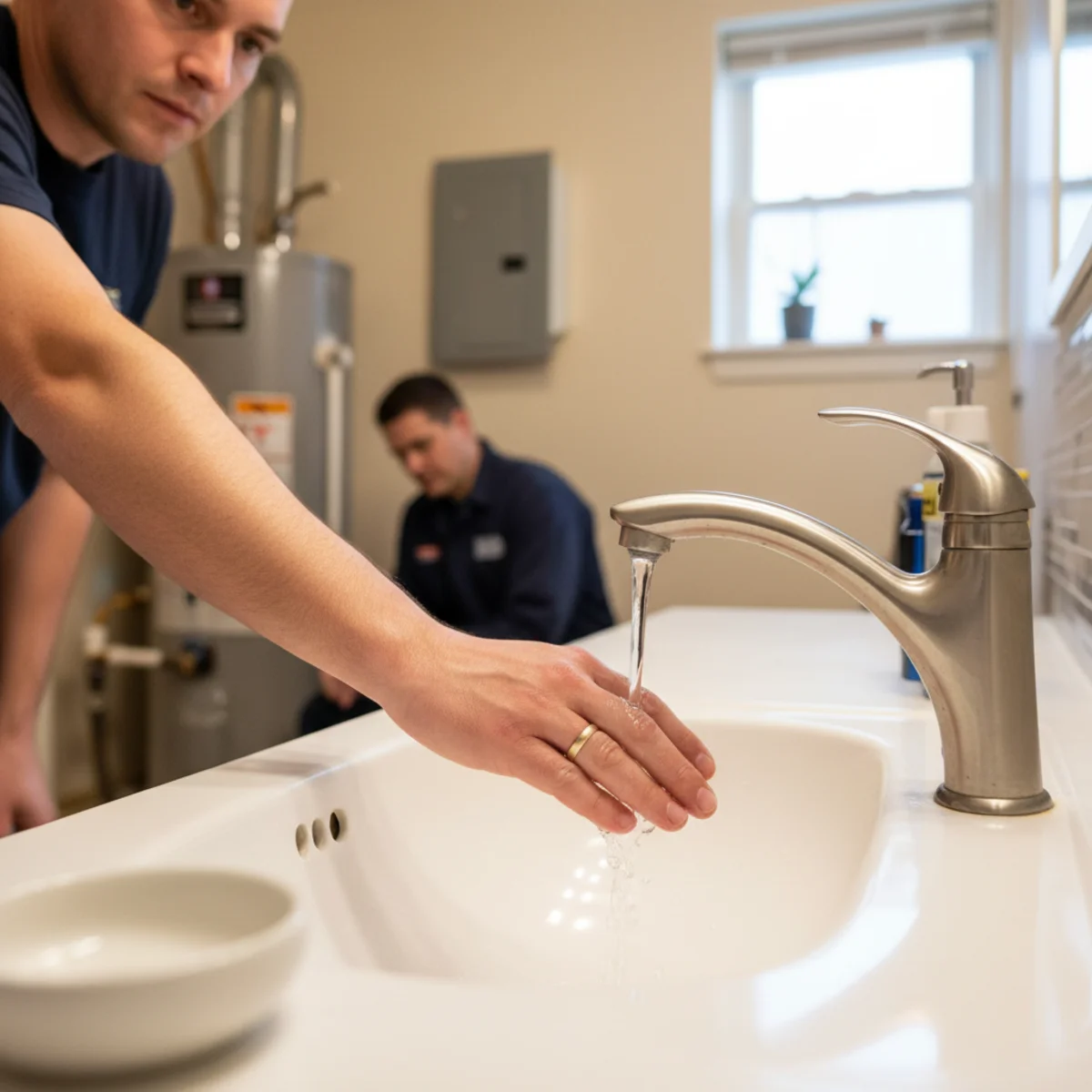
Cold water from every hot tap in the house is a problem with a short list of causes—and several of them are things you can check yourself before calling anyone. Work through this guide from the top. The steps are organized so you're always checking the most common and most accessible causes first.
Before You Do Anything: Safety First
If you smell gas near your water heater or anywhere in your home, stop. Don't flip light switches, don't use your phone inside the house, don't try to find the source. Leave the house immediately, leave the door open, and call your gas utility's emergency line or 911 from outside or a neighbor's house. Gas leaks are not a DIY situation under any circumstances.
If there's no gas smell and you have a gas unit, keep reading. If you have an electric unit, the gas steps below don't apply to you.
For Gas Water Heaters
Check the Pilot Light
On older gas water heaters with a standing pilot light, the most common cause of no hot water is a pilot that's gone out. Open the access panel at the base of the unit and look for the pilot flame. If it's out, the thermocouple—a safety device that proves the pilot is lit before allowing gas flow—has shut off the gas supply to the burner.
Most units have relighting instructions printed on the label near the gas valve. Follow them exactly: turn the gas valve to "Pilot," press and hold the reset button or gas valve knob, and use a long lighter or built-in igniter to light the pilot. Hold the reset for 30–60 seconds before releasing to allow the thermocouple to heat up. If the pilot lights and stays, you may be done. If it lights and goes out when you release, or won't stay lit, the thermocouple is likely faulty and needs replacement—a common, inexpensive repair.
Newer units have electronic ignition and no standing pilot. If yours is electronic, a pilot outage looks different—the igniter may spark and fail to light. Check for error codes on the control panel if your unit has them.
Confirm the Gas Supply Is On
Check that the gas shutoff valve on the supply line to the water heater is open (handle parallel to the pipe, not perpendicular). Also check whether other gas appliances in the house are working. If your gas stove or furnace isn't working either, the issue is with your gas supply—call your utility company.
Check the Thermostat Setting
The gas valve thermostat dial can be accidentally bumped. Confirm it's set to your target temperature (120°F is a common starting point). If it was inadvertently turned to the lowest setting, this is an easy fix.
For Electric Water Heaters
Check the Circuit Breaker
Electric water heaters run on a dedicated 240V circuit. Go to your electrical panel and look for the breaker labeled for the water heater. If it's tripped—sitting in the middle position between "On" and "Off"—reset it by switching it fully to "Off" first, then back to "On." A single trip can happen from a power surge. If it trips again immediately or repeatedly, there's an underlying electrical issue that needs a professional.
Check the Reset Button
Electric water heaters have a high-limit reset button, usually located behind the upper access panel on the tank. If the water overheated for any reason, this button trips as a safety measure. Press it firmly until you hear a click. If this was the issue, you should have hot water within an hour. If it trips again, the thermostat, a heating element, or another component is causing the unit to overheat—that needs a service call.
Heating Element or Thermostat Failure
Most electric tank water heaters have two heating elements—one upper, one lower—each with its own thermostat. When the upper element or thermostat fails, you'll often have some hot water (the lower element still works) but less than usual and it runs out quickly. When the lower element fails, recovery is very slow. A failed upper element often means no hot water at all. Our post on electric water heater not heating covers element and thermostat diagnostics in more detail.
For Tankless Water Heaters
Tankless units are more sensitive to flow rate and water quality than tank units. Common causes of no hot water from a tankless:
- Flow rate too low: Many tankless units require a minimum flow rate to activate. If you're running a single low-flow fixture, the unit may not fire.
- Error codes: Tankless units display diagnostic codes on the control panel. Look up your model's error code list—it will point you to the specific fault.
- Scale buildup: In Lebanon County's hard water, scale inside the heat exchanger reduces performance and can eventually prevent operation. Annual descaling maintenance is important for tankless units here.
- Venting issue (gas tankless): Blocked or improperly configured venting will cause the unit to fail to fire as a safety measure.
When the Problem Is Beyond a Quick Fix
If you've worked through the relevant steps above and still have no hot water, the issue is internal—a failed component, a control board problem, or a more complex fault. At this point you need a professional. Attempting to diagnose electrical or internal gas components without training and the right tools creates safety risks and can cause additional damage.
Our water heater repair service covers gas, electric, and tankless units across Lebanon and Central PA. Our gas water heater service and electric water heater service pages give you more detail on what each service covers. For pilot light issues specifically, see our post on pilot lights that keep going out.
Call for Same-Day Help
No hot water is disruptive, and Lebanon winters make it worse. Our licensed and insured service approach covers the full diagnostic and repair process, with upfront pricing before any work begins. Call us at (201) 277-9344 or schedule online—same-day service is available for households that are without hot water entirely.
Related water heater services
Written by the team at Lebanon Water Heater Pros. This article is general information for Lebanon-area homeowners, not a substitute for an on-site diagnosis. For suspected gas leaks, leave the home and call your gas utility or 911 — do not attempt gas repairs yourself.
Good questions
Frequently Asked Questions
Keep reading
Related articles
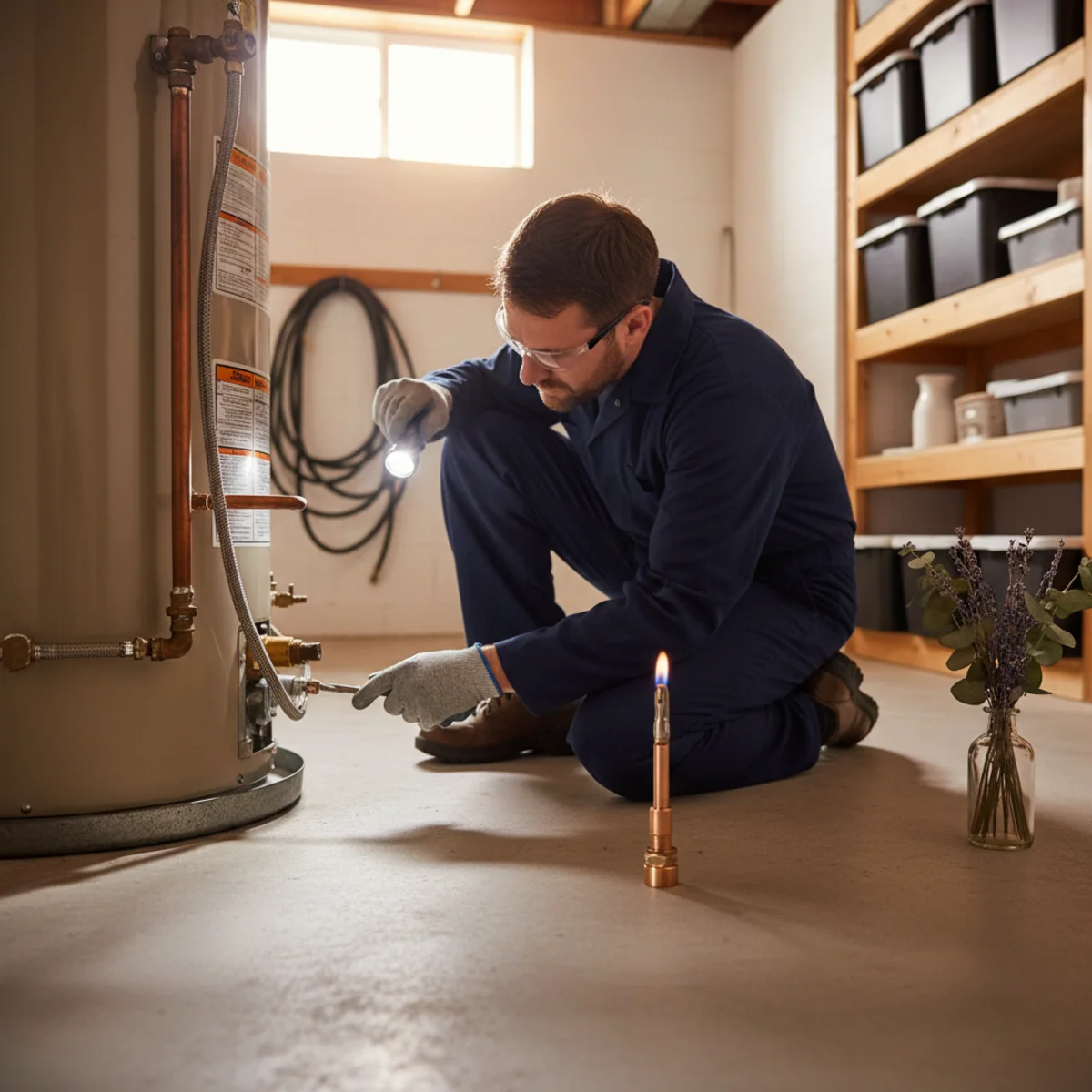
Gas Water Heater Pilot Light Keeps Going Out? Here's Why
A gas water heater pilot light that keeps going out is one of the most common service calls we get. The fix is usually a thermocouple or thermopile replacement — and it is not something to put off.
6 min read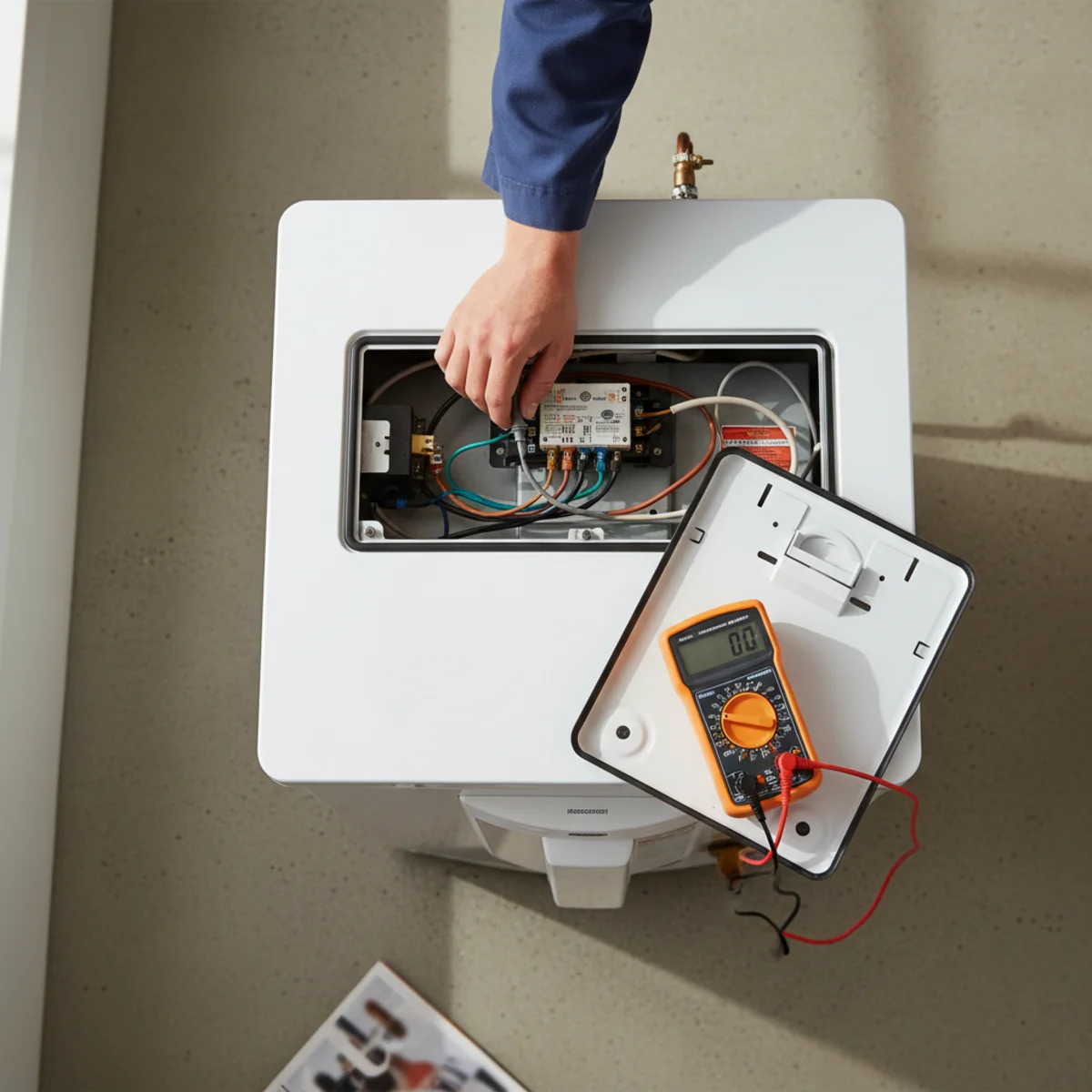
Electric Water Heater Not Heating? Check Elements & Thermostats
An electric water heater that stops heating almost always comes down to one of three things: a tripped high-limit reset, a burned-out element, or a failed thermostat. Here's how to figure out which one you're dealing with.
6 min read