How Hard Water Wrecks Water Heaters (and What the Anode Rod Does)
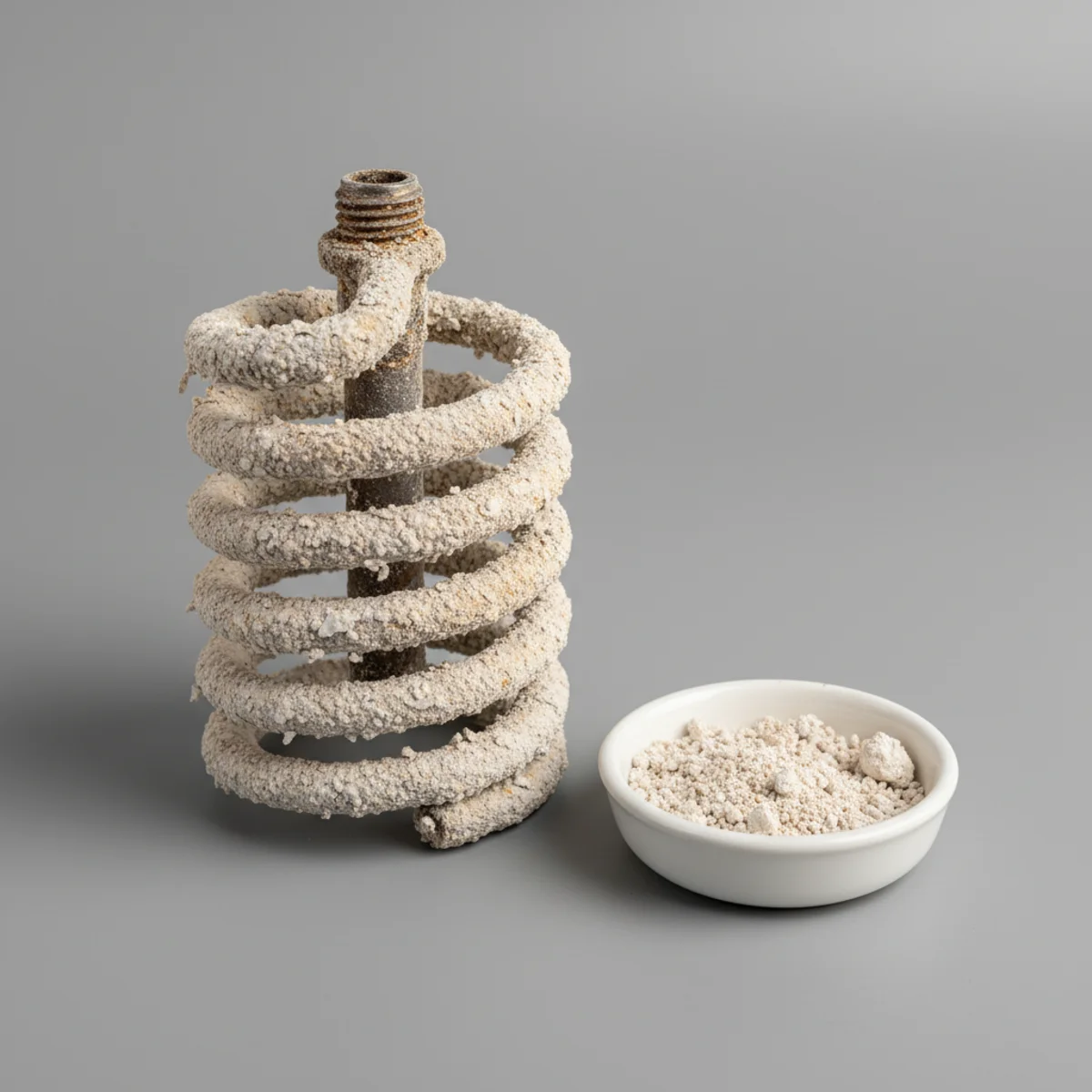
Lebanon County water is hard — genuinely hard. The limestone geology of Central Pennsylvania pushes calcium and magnesium levels well above what most water heaters were designed to handle without regular maintenance. Those minerals don't just pass through your tank; they settle on the bottom as thick sediment and coat your heating elements in a crusty shell. The result is a water heater that works harder, costs more to run, and fails years earlier than it should.
What Hard Water Actually Does Inside a Tank
Every time cold water enters your tank and gets heated, dissolved minerals come out of solution. They sink. Over months they compact into a layer of sediment on the tank floor — the stuff that makes your water heater sound like a coffee percolator. That sediment layer insulates the burner flame (on gas units) or the lower element (on electric units) from the water above it. The metal overheats trying to push heat through rock. Overheating shortens the tank liner's life and can warp or crack the element entirely.
On electric water heaters the effect is even more direct: hard water scale builds up on the element itself. A fully scaled element may fail within three or four years in a hard-water area, compared to eight or more years in softer water. The thermostat reads the water temperature accurately, but the element never shuts off at a reasonable pace because it's fighting through calcium armor.
The Anode Rod: Your Water Heater's First Line of Defense
The anode rod is a long metal rod — usually magnesium, aluminum, or a magnesium-aluminum alloy — that hangs inside your tank from the top. It works through a process called galvanic corrosion: the rod corrodes preferentially so the steel tank walls don't have to. Think of it as a sacrificial stand-in that takes the punishment your tank would otherwise absorb.
In hard water, the anode rod depletes faster than it does in soft water. Minerals accelerate the electrochemical reaction. A rod that might last five or six years in a softer market can be eaten down to the steel core in two or three years here in Lebanon County. Once the rod is gone, the tank walls are on their own — and rust sets in quickly.
How to Check Your Anode Rod
Most manufacturers put the anode rod under a hex-head plug on top of the tank, sometimes hidden under the sheet-metal jacket. Checking it means shutting off cold water supply, releasing pressure, and using a 1-1/16-inch socket with a breaker bar — the rod is almost always torqued on tight. What you want to see is a rod still at least half its original diameter with no exposed steel wire core. What typically happens in hard-water areas is you pull it and find something resembling a thin metal twig encrusted with calcium. That rod is done.
Replacing it isn't complicated, but access varies by tank model, and cross-linked polyethylene (PEX) flex connectors can complicate removal. If you're not comfortable with it, a plumber can swap it in under an hour during a regular water heater maintenance visit.
Sediment Flushing and Why Skipping It Is Expensive
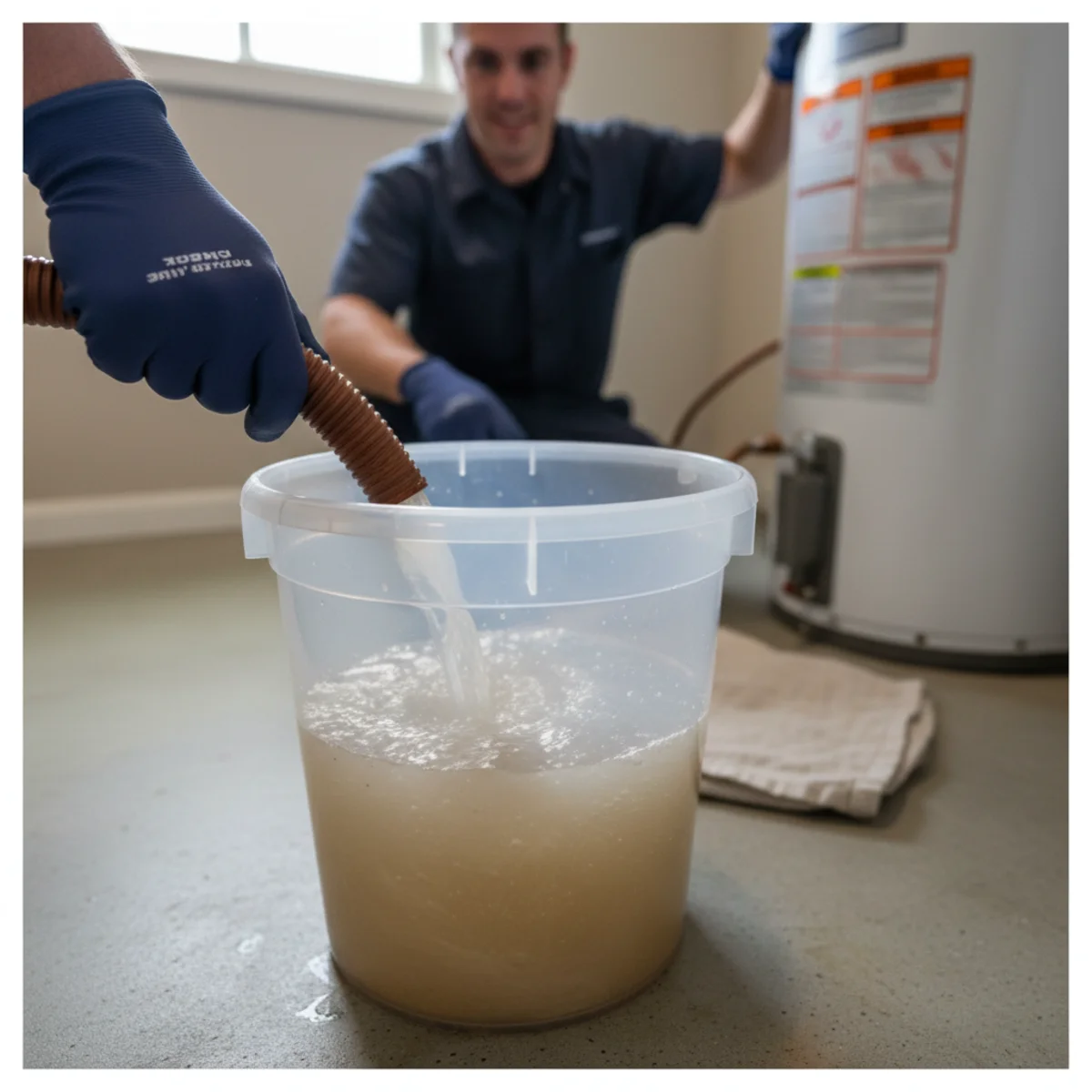
Flushing sediment out once a year — or more often if your water is especially hard — is the most cost-effective thing you can do for a tank water heater in this region. You attach a hose to the drain valve at the bottom of the tank, run it to a floor drain or outside, and let the sediment-laden water out until it runs clear.
In practice, many Lebanon homeowners have never flushed their tank even once. The drain valve corrodes shut. The sediment layer is two or three inches thick. At that point flushing is either very slow or impossible without risking a stuck valve that won't close again. Professional water heater flushing uses a commercial flush process that can dislodge stubborn sediment and replace a stuck valve before it becomes an emergency.
Be honest with yourself about the interval: if your water heater is more than five years old and has never been flushed, assume the sediment is significant. A professional flush plus anode inspection is far cheaper than replacing a tank that failed five years early.
Water Softeners: Worth It for Water Heater Life?
A whole-home water softener exchanges calcium and magnesium ions for sodium, dramatically reducing scale buildup. Softened water is easier on every appliance that touches water — dishwashers, washing machines, faucets, and especially water heaters. Anode rods last longer, elements survive longer, and sediment accumulates more slowly.
There is a wrinkle: softened water can actually accelerate anode rod depletion in some cases because the chemistry changes. The fix is straightforward — use an aluminum-zinc anode rod in softened water rather than a standard magnesium rod, and check it annually for the first couple of years to establish your depletion rate.
Our water softener service team can assess your water hardness and recommend the right softener size for your household. We'll also coordinate the interaction between softener chemistry and your water heater anode so you're not inadvertently trading one problem for another.
Real-World Efficiency in Hard Water
Manufacturers publish Uniform Energy Factor (UEF) ratings based on clean, scale-free conditions. In hard-water areas like Lebanon County, real-world efficiency is lower — scale is an insulator, and an insulated heating surface wastes energy. The gap between rated and actual efficiency grows every year the tank goes without maintenance. Verify current ratings against ENERGY STAR specs rather than trusting the sticker on a years-old unit.
The practical upshot: a properly maintained water heater in hard water will still outperform a neglected one of the same model. Annual flushing and timely anode replacement are the two highest-leverage maintenance actions you can take.
Get Your Water Heater Checked Before It Fails
If your water heater is more than four years old and has never had an anode inspection or a flush, it is overdue — especially in Lebanon County. A licensed and insured service approach means we check the anode, inspect the sacrificial rod, flush sediment, and test the T&P relief valve in one visit. Upfront pricing before any work begins, with a local crew that knows Central PA water.
Call us at (201) 277-9344 or schedule online through our water heater maintenance page. Catching problems early is always less expensive than replacing a tank that gave out ahead of its time.
Related water heater services
Written by the team at Lebanon Water Heater Pros. This article is general information for Lebanon-area homeowners, not a substitute for an on-site diagnosis. For suspected gas leaks, leave the home and call your gas utility or 911 — do not attempt gas repairs yourself.
Good questions
Frequently Asked Questions
Keep reading
Related articles
Water Heater Flushing: Why, When, and How to Drain It
Flushing your water heater is the single most neglected maintenance task in most homes. In Lebanon County's hard water, skipping it is how you turn a 12-year water heater into a 7-year water heater.
6 min read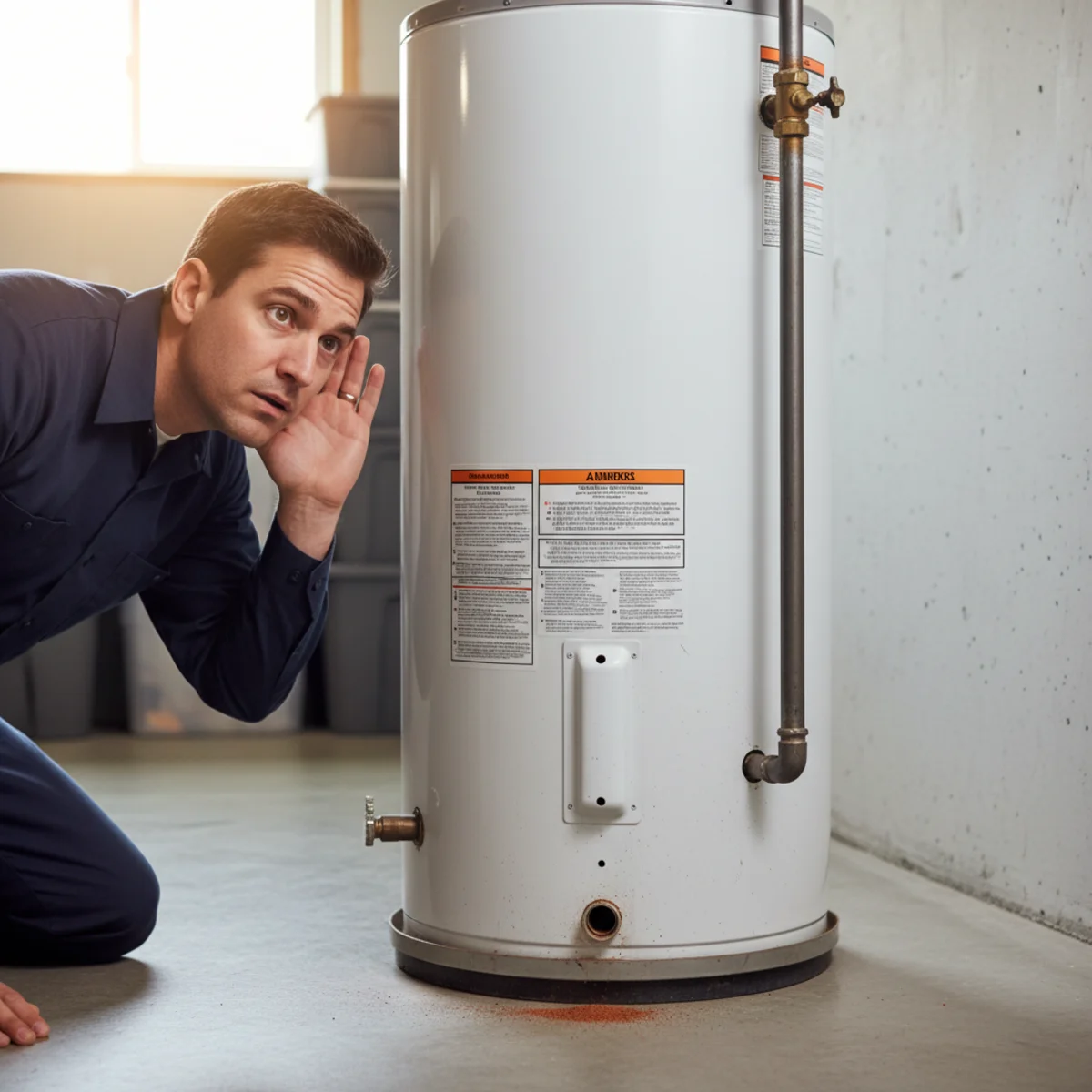
Water Heater Making Noise? Popping and Rumbling Explained
That popping, rumbling, or banging from your water heater isn't random. It is telling you something specific about what's happening inside the tank -- and what you should do about it.
6 min read