Water Heater Making Noise? Popping and Rumbling Explained
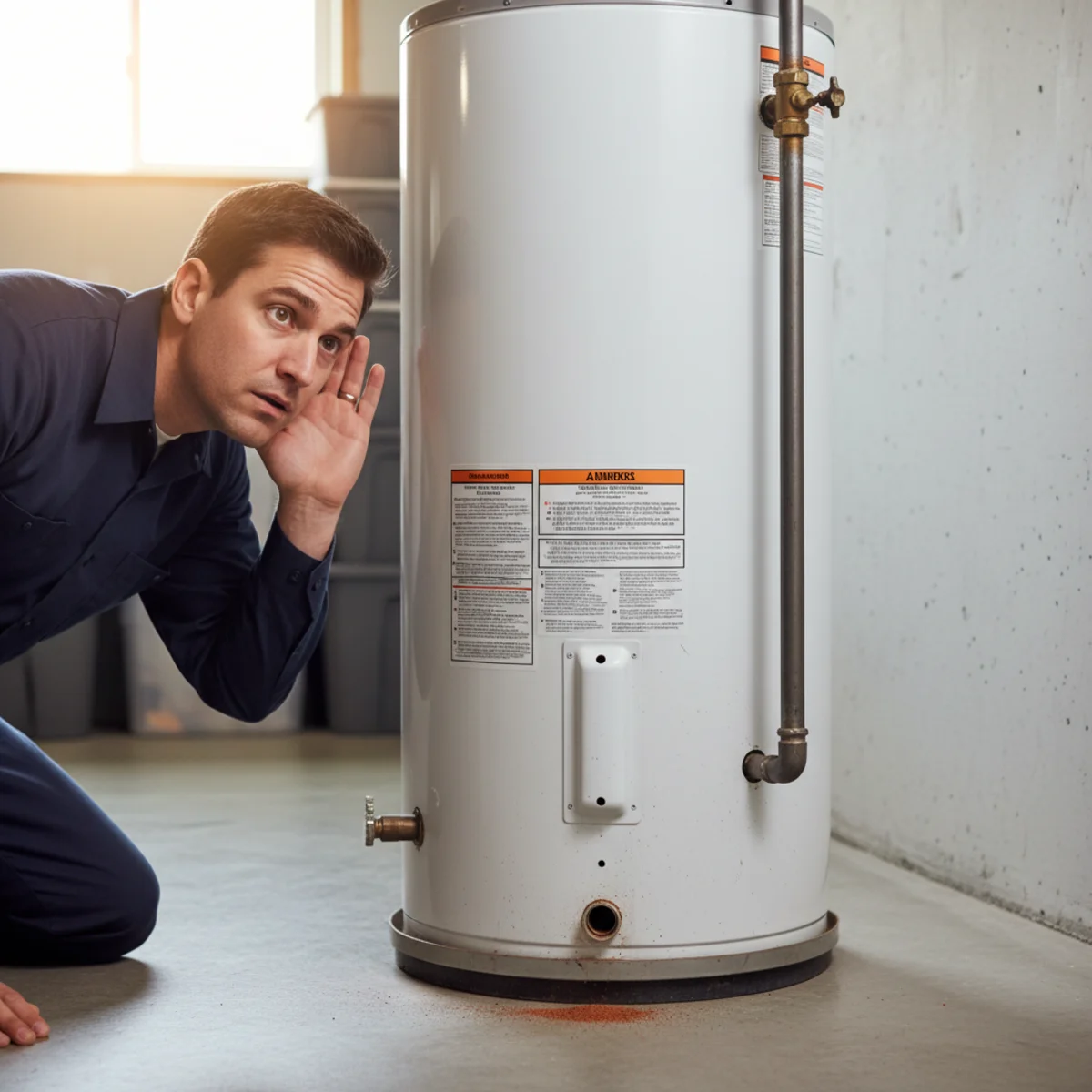
A water heater making noise is usually your tank's way of telling you it hasn't been flushed in too long. The popping, rumbling, or banging sounds that come from a water heater are almost always sediment-related — and in Lebanon County, where hard water delivers a steady supply of mineral deposits, this is one of the most common service calls we see. Here is what each sound means and what to do about it.
Popping or Crackling: Sediment Beneath the Element or Burner
That popping sound happens when water trapped beneath a layer of sediment at the bottom of the tank gets superheated and bursts through the crust. It sounds startling but isn't immediately dangerous. It is, however, a sign that your tank has a significant sediment buildup that is overdue for attention.
In a gas water heater, the burner heats the tank from below. A thick layer of sediment at the bottom acts as insulation between the flame and the water, forcing the burner to work harder and run longer to reach temperature. This wasted energy shows up on your gas bill and adds heat stress to the tank bottom. In an electric heater, the lower heating element can get encrusted in scale, causing the same popping sound as water tries to escape through mineral coating around the element.
Rumbling or Gurgling: Water Moving Through Loose Sediment
A lower-pitched rumbling or gurgling during a heating cycle usually means the sediment layer has gotten thick enough that hot water moving through it creates turbulence. This is a more advanced stage of the same problem that causes popping. The tank is struggling to heat efficiently, and the sediment is no longer just a thin layer — it's a significant accumulation.
In Lebanon County homes, calcium and magnesium from the water supply settle continuously into the bottom of any tank water heater. A tank that has never been flushed after five or six years can accumulate enough sediment to meaningfully shorten its lifespan and noticeably reduce efficiency. Hard water sediment reduces real-world efficiency and tank longevity regardless of a unit's rated efficiency.
Banging or Knocking: Water Hammer vs. Tank
A sharp bang or knock — different from the rhythmic popping or rumbling during a heating cycle — is more likely water hammer than a sediment problem. Water hammer happens when fast-closing valves or appliances cause a pressure surge that sends a shock wave through the pipes. It's hard on supply lines and fixtures over time.
If the banging is isolated to the water heater and coincides only with heating cycles, it can also be caused by thermal expansion of the pipes or tank straps loosening over years of heat cycling. Check whether an expansion tank is present and functioning — a waterlogged or missing expansion tank allows pressure spikes that can cause pipe movement and banging.
Hissing or Sizzling: T&P Valve or Element Issue
A hissing sound from near the top of the tank or from the T&P valve discharge pipe may mean the relief valve is seating poorly or weeping due to pressure. This is distinct from the sediment noises described above and warrants attention. A T&P valve that weeps regularly is either responding to genuine over-pressure (possible on a closed system without an expansion tank) or is aging and needs replacement. Don't ignore a weeping T&P valve — it's a safety device, and one that opens unnecessarily is also one that may fail to open when actually needed.
Sizzling from an electric water heater's access panel area can indicate moisture near the element or a failing element. This deserves a professional look rather than a DIY investigation.
What Flushing Actually Does
A proper water heater flush involves connecting a hose to the drain valve, allowing the tank to drain fully while cold water is run through to agitate and carry out the sediment, and then refilling. Done annually, this keeps the sediment layer from building to the point that it causes noise and efficiency loss. Done on a tank that has never been flushed and is several years old, the results can be dramatic — significantly quieter operation and faster recovery time.
One caution: on a very old tank that has never been flushed, the sediment may actually be doing some structural work. Draining a heavily corroded tank in this state can occasionally cause a new leak to appear, because the sediment was the only thing sealing a hairline crack. This is a reason to start annual flushing early — not a reason to keep skipping it.
When Noise Means Replacement Is Coming
A water heater making loud, persistent noise despite being flushed, or one that is over 10 years old and loud, is telling you its remaining useful life is limited. Sediment that has been sitting undisturbed for a decade has been corroding the tank lining continuously. Noise that persists after flushing usually means the sediment is partially calcified into the lining itself and can't be removed through a drain-flush alone.
At that stage, putting money into ongoing water heater maintenance may extend its life by a year or two, but planning for replacement is the realistic next step. We give you an honest read on where your tank stands — and upfront pricing on both options before any work begins.
Get That Noise Diagnosed Today
A noisy water heater doesn't quiet itself on its own. Call (201) 277-9344 or schedule a flush and inspection online. Our local crew serves Lebanon and surrounding Central PA communities and can often reach you the same day.
Related water heater services
Written by the team at Lebanon Water Heater Pros. This article is general information for Lebanon-area homeowners, not a substitute for an on-site diagnosis. For suspected gas leaks, leave the home and call your gas utility or 911 — do not attempt gas repairs yourself.
Good questions
Frequently Asked Questions
Keep reading
Related articles
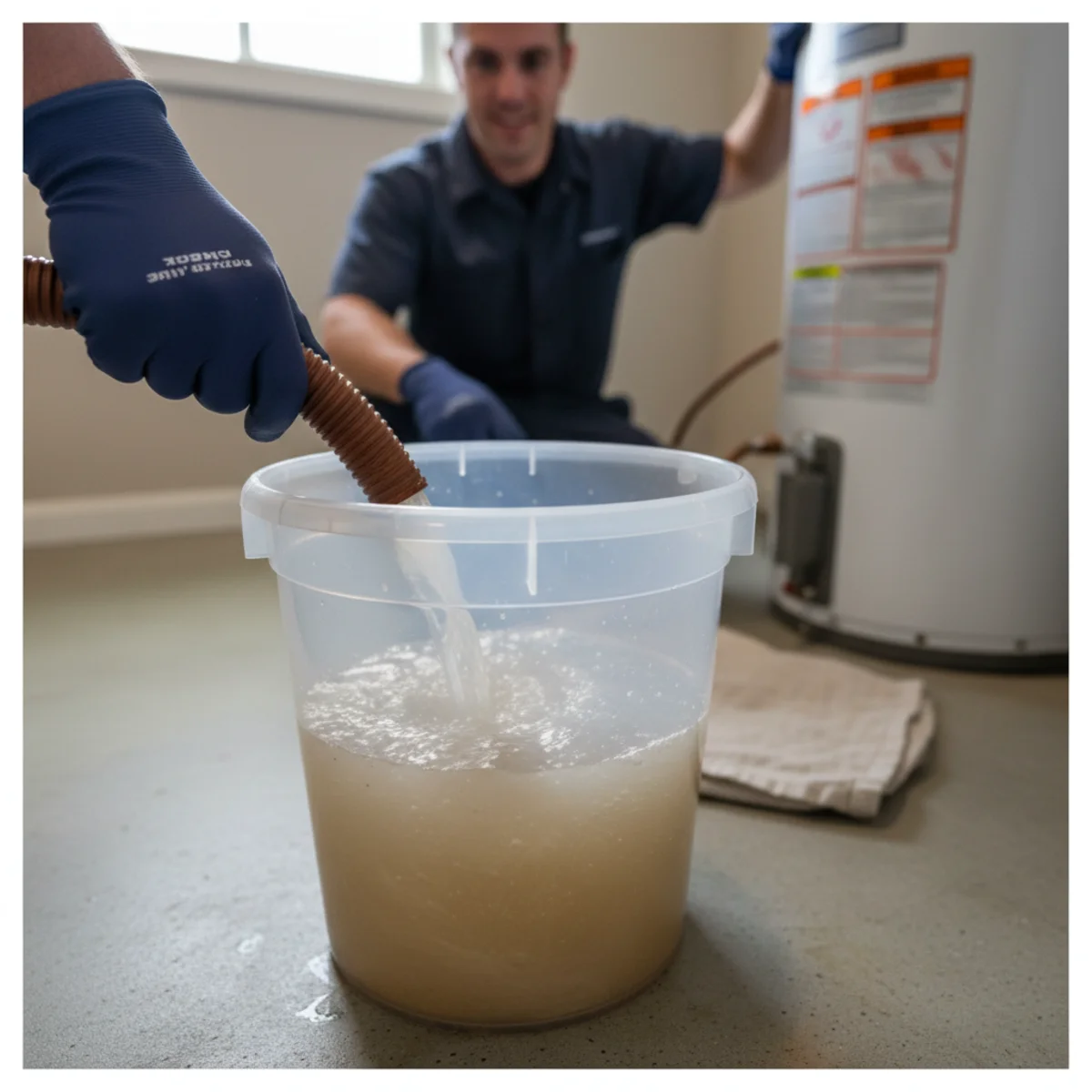
Water Heater Flushing: Why, When, and How to Drain It
Flushing your water heater is the single most neglected maintenance task in most homes. In Lebanon County's hard water, skipping it is how you turn a 12-year water heater into a 7-year water heater.
6 min read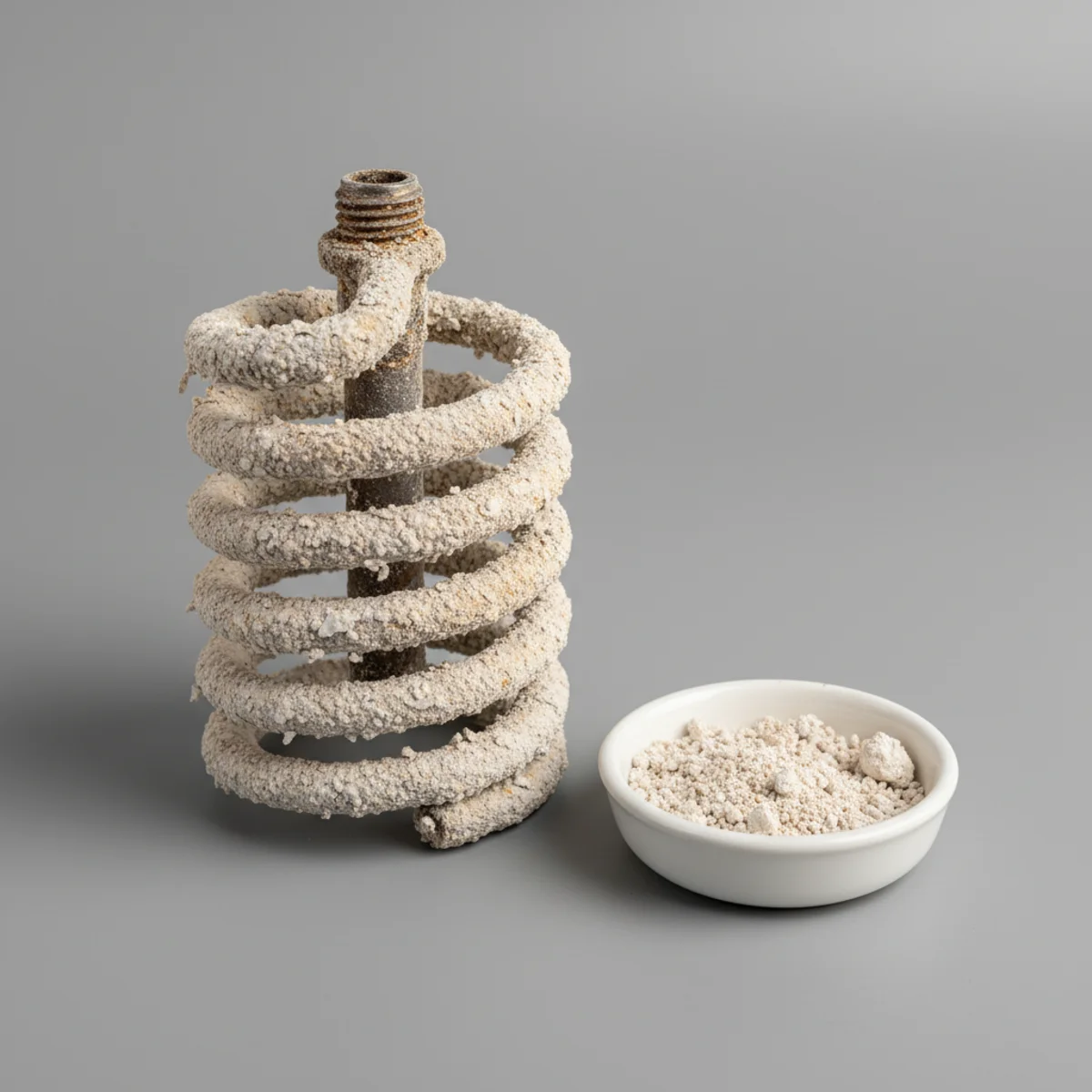
How Hard Water Wrecks Water Heaters (and What the Anode Rod Does)
Lebanon County tap water is loaded with calcium and magnesium. That mineral load quietly destroys water heaters from the inside out — unless you know what to do about it.
6 min read