Water Heater Flushing: Why, When, and How to Drain It
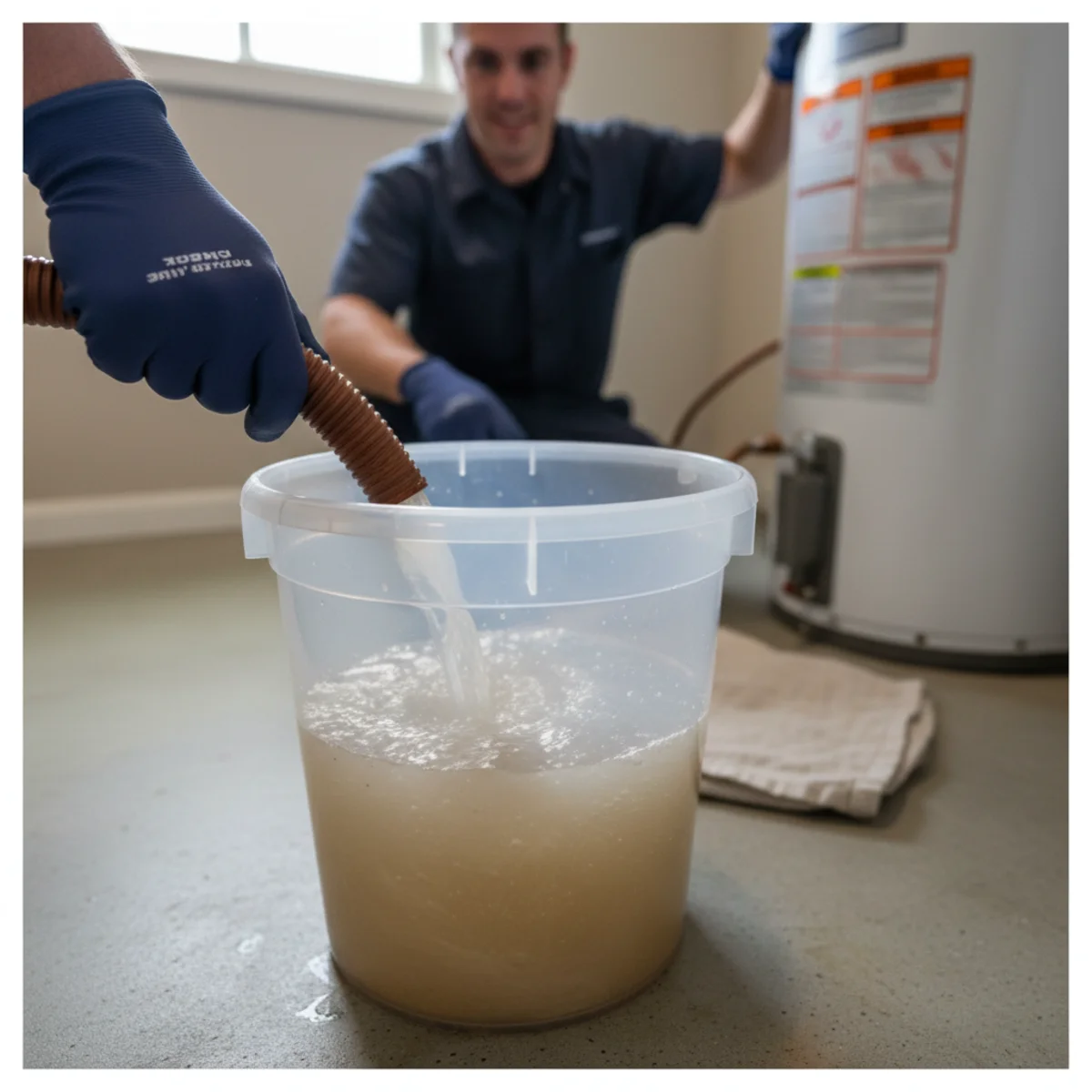
Pull out the owner's manual for almost any tank water heater and you will find the same recommendation buried a few pages in: flush the tank annually to remove sediment. Almost no one does it. In Lebanon County, where calcium and magnesium are measurably high in the water supply, that annual skip compounds into a real problem — reduced efficiency, louder operation, shortened tank life, and eventually a failed unit that could have lasted years longer.
Why Sediment Accumulates and What It Does
When hard water is heated, dissolved minerals precipitate out of solution and sink to the bottom of the tank. They compact over time into a gritty, concrete-like layer that sits between the burner flame (gas) or lower heating element (electric) and the water above it. That layer forces the heating system to work harder and longer to transfer heat through it.
The results are measurable:
- Higher energy bills: Scale is an excellent insulator. A heavily sediment-coated tank uses significantly more energy per gallon heated than a clean one. Actual efficiency depends on scale thickness and unit type — verify your model's UEF rating against ENERGY STAR current specs for the rated baseline.
- Shorter tank life: On gas units, the burner flame overheats the tank bottom trying to push heat through sediment, degrading the tank liner from below. On electric units, the lower element can overheat and burn out prematurely.
- Popping and rumbling sounds: The noise you hear from a neglected water heater is water boiling under the sediment layer and pushing through it — a sign that the buildup is significant.
- Reduced usable capacity: Enough sediment can meaningfully reduce the gallons of water your tank actually holds.
How to Drain a Water Heater: The Basic Process
Flushing a water heater requires a garden hose, a drain location that can handle hot, sediment-laden water, and enough time to do it properly. The process:
- Turn off the heating source. For gas, turn the thermostat knob to "Pilot." For electric, kill the breaker at the panel.
- Connect a garden hose to the drain valve at the base of the tank. Run the hose to a floor drain, outside, or into a bucket if you are checking sediment.
- Open a nearby hot-water tap to allow air into the tank — without this, a vacuum forms and draining stops.
- Open the drain valve. Water will run brown or cloudy initially if sediment is present.
- Once draining slows, briefly open the cold-water supply valve to flush the remaining sediment out under pressure. Repeat until the water runs clear.
- Close the drain valve, remove the hose, close the hot tap, refill the tank fully before restoring power.
Step six is critical: restoring power to an electric water heater before it is fully refilled will burn out the upper element in minutes. Make sure water is flowing out of a hot tap with normal pressure before flipping the breaker back on.
When the Drain Valve Won't Cooperate
Many Lebanon County homeowners attempt a first flush and discover the drain valve is frozen with mineral scale and won't turn, or it opens but refuses to close again afterward. Plastic drain valves — standard on most tanks — are particularly prone to this after years of disuse. Forcing a stuck plastic valve often breaks it.
A stuck or leaking drain valve is its own repair. A professional plumber can replace the valve during the flush service — typically using a brass ball valve that holds up far better against hard water than the original plastic fitting. Our water heater flushing service handles stuck valves as part of the process.
How Often Should You Flush in Hard Water?
In soft-water areas, once every two years might be adequate for a newer tank. In Lebanon County's hard water, annual flushing is the right interval. For tanks that have never been flushed and are four or more years old, a professional flush is the better approach — the sediment layer may be too thick to dislodge with a standard DIY drain.
If you also have a water softener, you will still accumulate some sediment (the softener removes hardness but other dissolved solids remain), though at a slower rate. Flush annually regardless.
What to Check During a Flush
A flush is the ideal time to check the anode rod (pull and inspect it while the tank is drained or partially drained), test the T&P relief valve (verify it opens and reseats properly), and look for any signs of corrosion at fittings or the tank body. Hard water accelerates every failure mode on a water heater, and catching problems during a routine maintenance visit is always cheaper than a crisis call.
See our related guide on water heater maintenance for what a full annual checkup should cover.
Don't Wait for the Noise to Start
If your water heater is already making popping or rumbling sounds, sediment is well established. Flushing at that point is still worth doing — it can quiet the unit and slow the deterioration — but some of the tank damage may already be done. The time to flush is before the noise starts, not after.
Call us at (201) 277-9344 or book online through our water heater flushing page. Upfront pricing before any work begins, local crew, same-day availability in most parts of Lebanon County.
Related water heater services
Written by the team at Lebanon Water Heater Pros. This article is general information for Lebanon-area homeowners, not a substitute for an on-site diagnosis. For suspected gas leaks, leave the home and call your gas utility or 911 — do not attempt gas repairs yourself.
Good questions
Frequently Asked Questions
Keep reading
Related articles
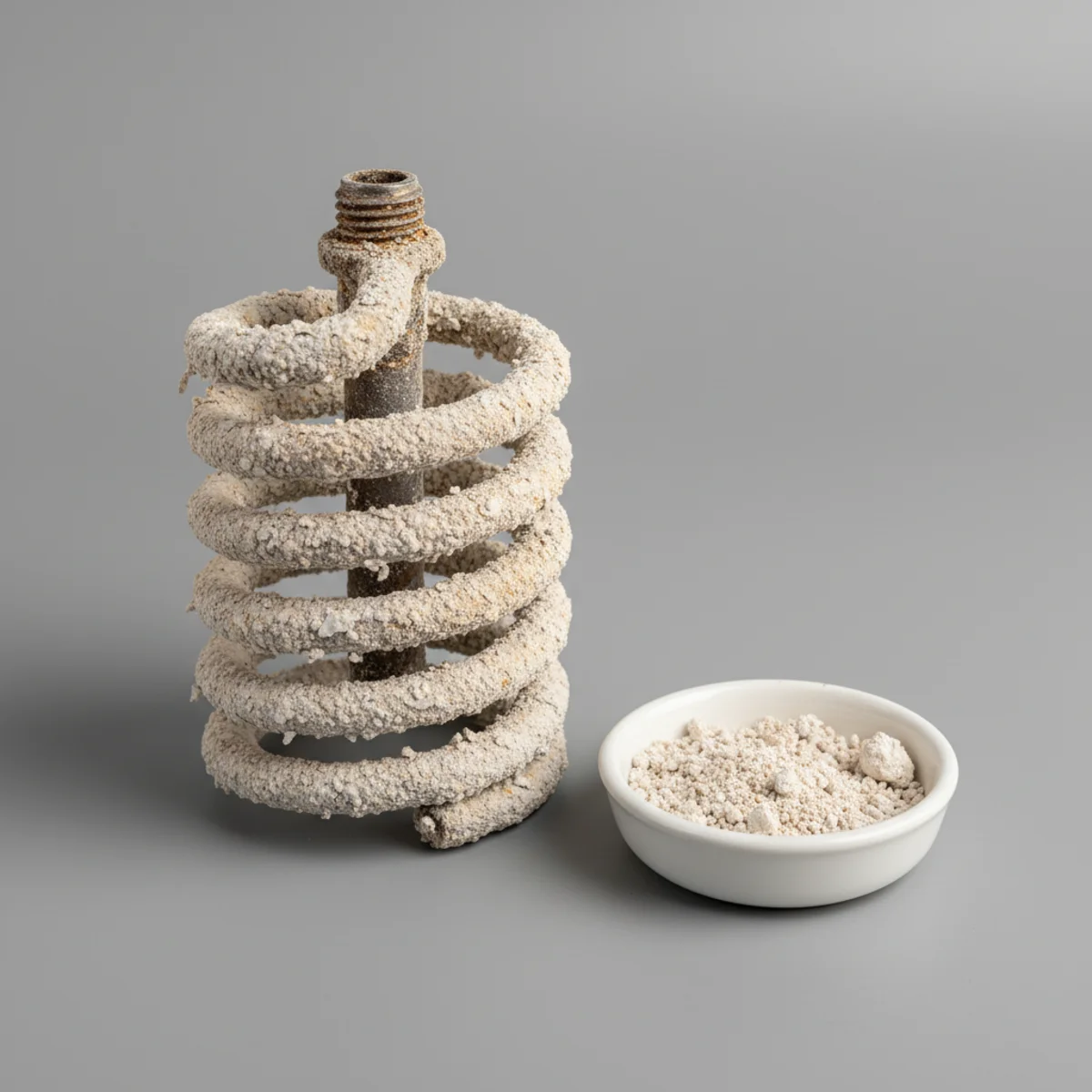
How Hard Water Wrecks Water Heaters (and What the Anode Rod Does)
Lebanon County tap water is loaded with calcium and magnesium. That mineral load quietly destroys water heaters from the inside out — unless you know what to do about it.
6 min read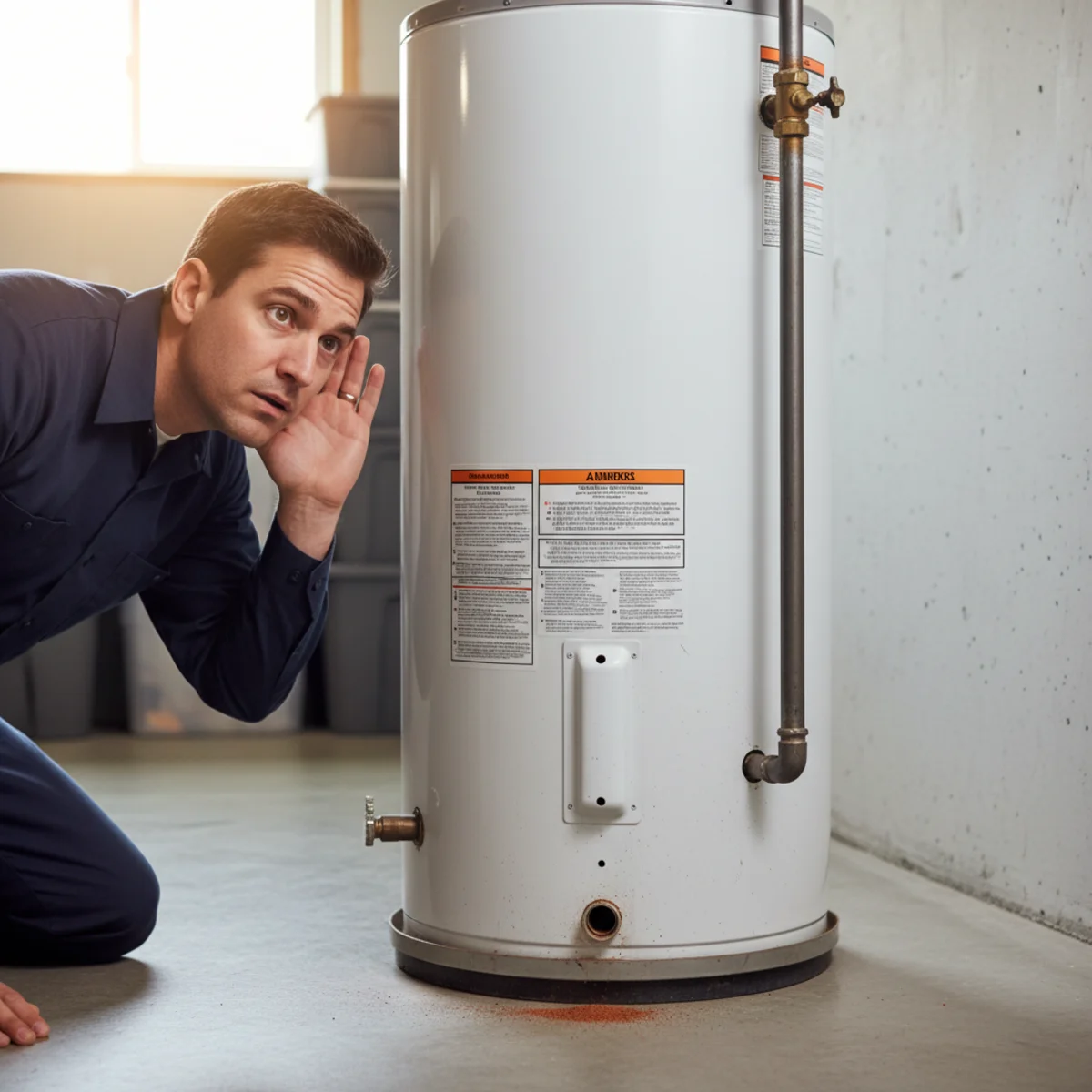
Water Heater Making Noise? Popping and Rumbling Explained
That popping, rumbling, or banging from your water heater isn't random. It is telling you something specific about what's happening inside the tank -- and what you should do about it.
6 min read