Water Heater Services
Water Heater Maintenance in Lebanon, PA
Lebanon County's hard water is rough on tanks. Annual flushing, anode-rod checks, and valve testing keep yours quiet, efficient, and running years longer.
- Licensed & insured service approach
- Same-day service available
- Tank & tankless experts
- Upfront options before work begins
- Local Lebanon County service
- Emergency water heater help
Most water heater failures in Lebanon County are preventable. A tank that rumbles, takes longer to recover, and runs out of hot water before it used to is one that's silently accumulating sediment — hard-water minerals that settled to the bottom, insulated the burner or lower element, and have been forcing the unit to work harder than it should for years. By the time it quits, the damage is usually done.
Annual maintenance is the difference between a water heater that lasts 12–15 years and one that limps to 8. It's not glamorous work, but it's the most cost-effective water heater service there is.
Our local crew handles full maintenance visits: flushing the tank, inspecting the anode rod, testing the T&P valve, checking the expansion tank, and going over the unit for early signs of trouble. Upfront pricing before any work begins, and we'll tell you what we found in plain language when we're done.
What we cover
- Tank sediment flushing and drain check
- Anode rod inspection and replacement
- T&P relief valve testing
- Expansion tank pressure check
- Thermostat temperature verification
- Venting check on gas units
- Burner or element inspection
- Tankless heat exchanger descaling
- Tankless filter and inlet screen cleaning
- Overall unit condition assessment
What a full maintenance visit includes
A proper tune-up covers every system that determines how long your water heater lasts:
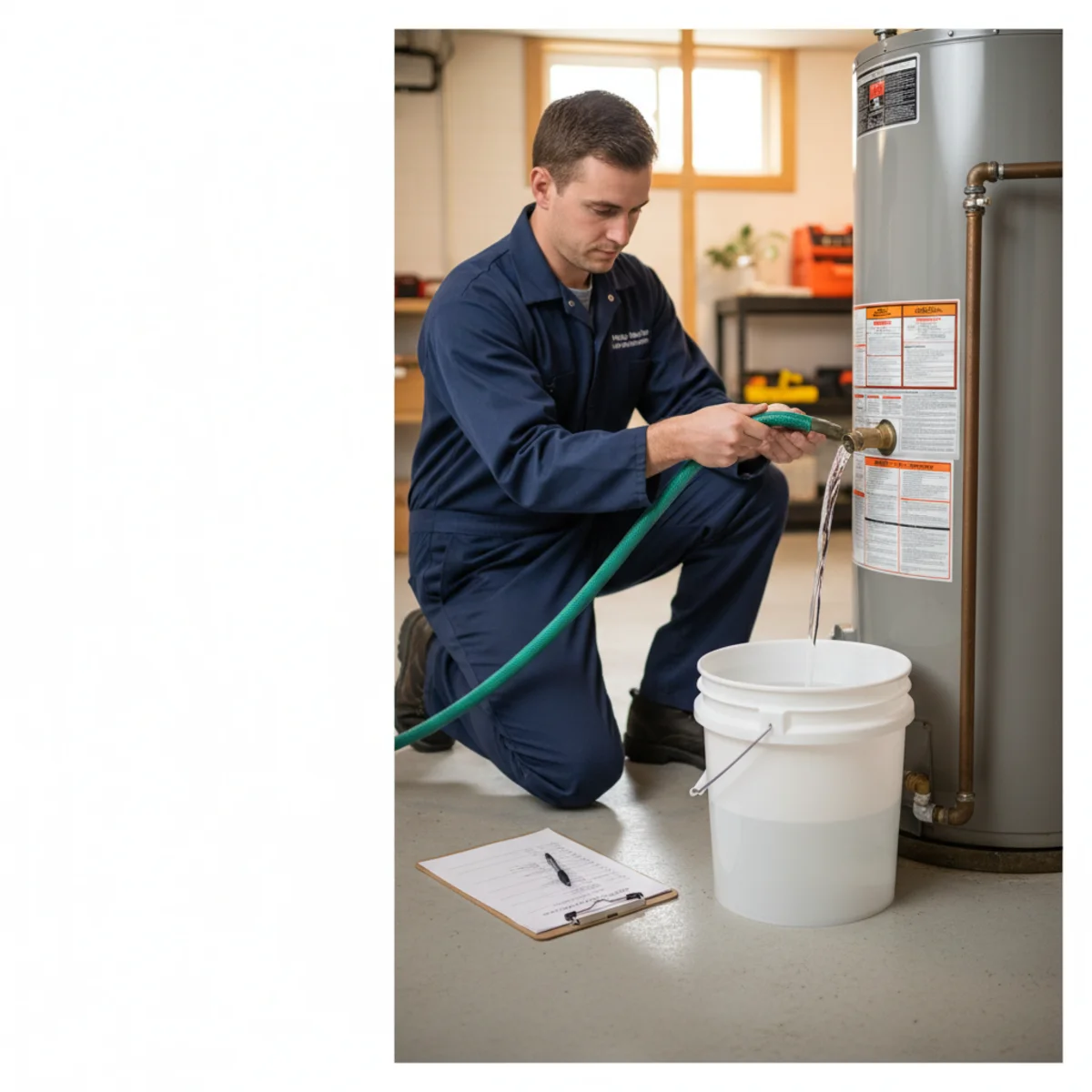
- Sediment flush — we attach a hose to the drain valve and flush the tank until the water runs clear, removing the mineral buildup that insulates the burner or lower element. For a deeper look at why this matters in Lebanon's water, see our flushing page.
- Anode rod — the sacrificial rod that protects the tank wall from corrosion. When it's consumed, the tank corrodes. We pull it, check it, and replace it if it's past its useful life.
- T&P valve — we test the relief valve to confirm it opens and reseats correctly. A valve that won't open is a safety concern; one that won't reseat drips constantly.
- Expansion tank — on closed systems, we check the pre-charge pressure. A waterlogged expansion tank doesn't absorb thermal pressure and puts stress on everything downstream.
- Unit condition — we look at the connections, the anode port, the flue on gas units, and the overall condition of the tank and fittings while we have access.
The anode rod: the part most homeowners have never heard of
The anode rod is a long metal rod inside the tank — usually magnesium or aluminum — that corrodes sacrificially so the tank wall doesn't. Without it, the steel tank rusts from the inside. Most anode rods last 3–5 years, but Lebanon County's hard water consumes them faster. By the time an anode rod is fully consumed and the tank starts corroding, the window for prevention has closed. We pull and inspect it on every maintenance visit and replace it when it's down to a wire core.
Tankless maintenance: descaling is not optional
Tankless units don't have sediment the same way storage tanks do, but they have something worse: scale that builds up inside the heat exchanger and reduces flow and efficiency steadily. Descaling — circulating a diluted vinegar or descaling solution through the heat exchanger — is the annual service that keeps a tankless unit performing as advertised. In Lebanon County's hard water, skipping even one year makes a measurable difference. We also clean the inlet filter screen and check for error-code history during a tankless maintenance visit.
How often and why it pays off
Once a year is the standard recommendation for Lebanon County. Homes on well water out toward Jonestown and Fredericksburg, where mineral content is higher, may benefit from twice-a-year flushing. The math is straightforward: a maintenance visit costs a fraction of what a water heater replacement costs, and annual maintenance is the single biggest factor in getting the upper end of a unit's lifespan rather than the lower end. If your unit is already showing signs of trouble — noise, slow recovery, inconsistent temperature — we check our repair page for what's likely happening and whether maintenance or a repair visit is the right next step.
Local & dependable
Built for Lebanon County homes
Lebanon County sits in Central Pennsylvania where the water supply is reliably hard — mineral content high enough that appliance manufacturers' generic maintenance advice undershoots what this area actually demands. A flush-every-three-years approach that might be adequate in a soft-water market isn't enough here. In older homes along Cumberland Street and around Coleman Memorial Park in downtown Lebanon, we also find anode rods that haven't been touched since installation and expansion tanks that are waterlogged and doing nothing. Rural properties on well water near Cornwall Iron Furnace and out past Schaefferstown can have some of the hardest water in the area — those tanks need the most attention and benefit the most from staying on a maintenance schedule.
Simple & transparent
What to Expect on a Service Visit
No mystery, no runaround — here's exactly how a visit works, from your first call to clean hot water.
- 1
Call or request service
Tell us what your water heater is doing — no hot water, a leak, strange noises — and we set up a same-day or scheduled visit.
- 2
Inspect the unit & connections
We check the tank, burner or elements, thermostat, valves, venting, and the surrounding plumbing for the real cause.
- 3
Diagnose & explain options
You get a straight diagnosis and clear repair-or-replace options with upfront pricing before any work begins.
- 4
Complete the approved work
Once you choose, we complete the repair or installation cleanly, to code, with quality parts.
- 5
Test, clean up & advise
We confirm hot water is back, clean the work area, and share simple maintenance tips for our local water.
No surprises
Honest, Upfront Pricing — No Hidden Fees
The number we give you before we start is the number you pay. No mystery trip charges, no estimate that balloons on the invoice, and no pressure to replace a unit that can be fixed.
Upfront price, every time
You get a clear price before any work begins — never a vague “we'll see when we get there.”
No surprise trip fees
What we quote is what you pay. No mystery charges quietly added to the final invoice.
Honest repair-or-replace advice
If a fix makes more sense than a replacement, we say so. We don't upsell a tank that has good years left.
No-pressure recommendations
We lay out your options with typical, estimated ranges, then let you decide on your own timeline.
Why us
Why Homeowners Choose Lebanon Water Heater Pros
Genuinely local
We focus on Lebanon and the surrounding county, so we know the older basements, the hard water, and the cold-snap failures firsthand.
Fast response
No hot water is an emergency. We prioritize same-day appointments and clear arrival windows instead of vague all-day waits.
Licensed & insured approach
Work is handled by licensed, insured local pros who follow Pennsylvania code — and we tell you straight when a permit is involved.
Clear communication
You hear what's wrong, what your options are, and what each one costs before anyone picks up a wrench.
Upfront options
Repair or replace, tank or tankless — we lay out the honest trade-offs so you decide, with no pressure.
Respect for your home
Drop cloths, clean shoes, and a tidy work area. We leave your utility room better than we found it.
Smell Gas? Safety Comes Before Service
Gas water heaters are safe when they're set up and maintained right — but a suspected gas leak is an emergency, not a repair call. If you smell rotten eggs or sulfur near a gas appliance, act first and call us second.
We never ask you to troubleshoot a gas leak yourself. Once your gas utility has made the area safe, we handle the burner, thermocouple, gas control valve, flue, and venting — carefully, with combustion and carbon-monoxide safety in mind.
If you suspect a gas leak
- 1Don't flip switches, light a flame, or use anything that could create a spark.
- 2Get everyone out of the house and leave the door open behind you.
- 3From outside, call your gas utility's emergency line or 911.
- 4Don't go back inside or try to find or fix the leak yourself.
- 5Once the utility makes the area safe, call us to inspect and repair the unit.
Related services
More ways we can help
Flushing & Sediment
Sediment flushing to quiet rumbling, restore recovery, and protect the tank in hard water.
Learn moreWater Heater Repair
Fast diagnosis and repair for gas and electric units — no hot water, leaks, noises, and pilot problems.
Learn moreExpansion Tanks
Thermal expansion tank installation and service to control pressure and protect your system.
Learn moreTankless Water Heaters
Tankless install, repair, descaling, and error-code diagnosis — endless hot water, less space.
Learn moreWater Heater Replacement
Code-compliant replacement with old-unit removal, correct sizing, and clean connections.
Learn moreService areas
Maintenance & Tune-Up near you
We serve Lebanon and the surrounding communities. Find your town or just give us a call.
Get started
Request service
Tell us what's going on and we'll reach out to confirm a time.
Good questions
Maintenance & Tune-Up FAQs
From our blog
Helpful Water Heater Guides
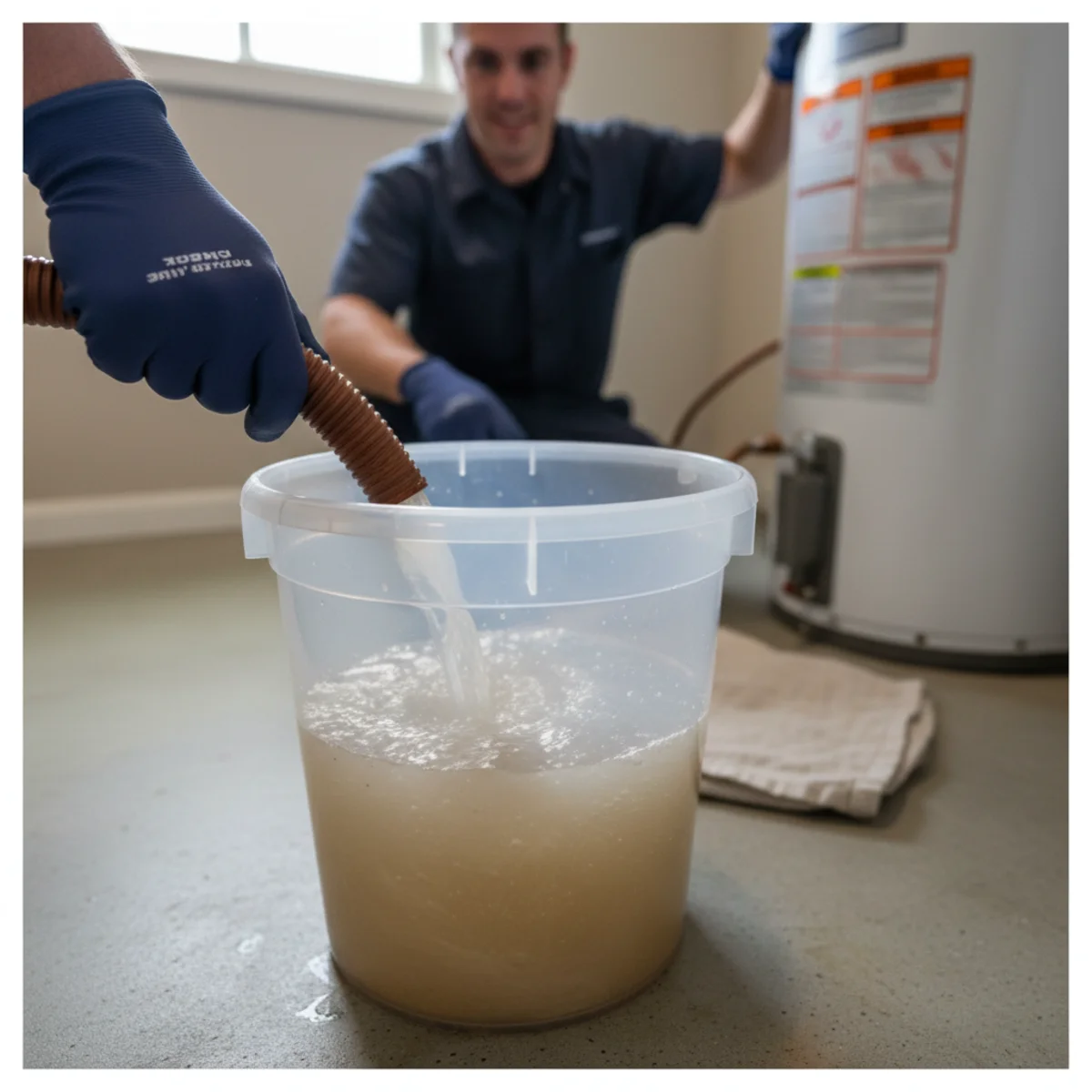
Water Heater Flushing: Why, When, and How to Drain It
Flushing your water heater is the single most neglected maintenance task in most homes. In Lebanon County's hard water, skipping it is how you turn a 12-year water heater into a 7-year water heater.
6 min read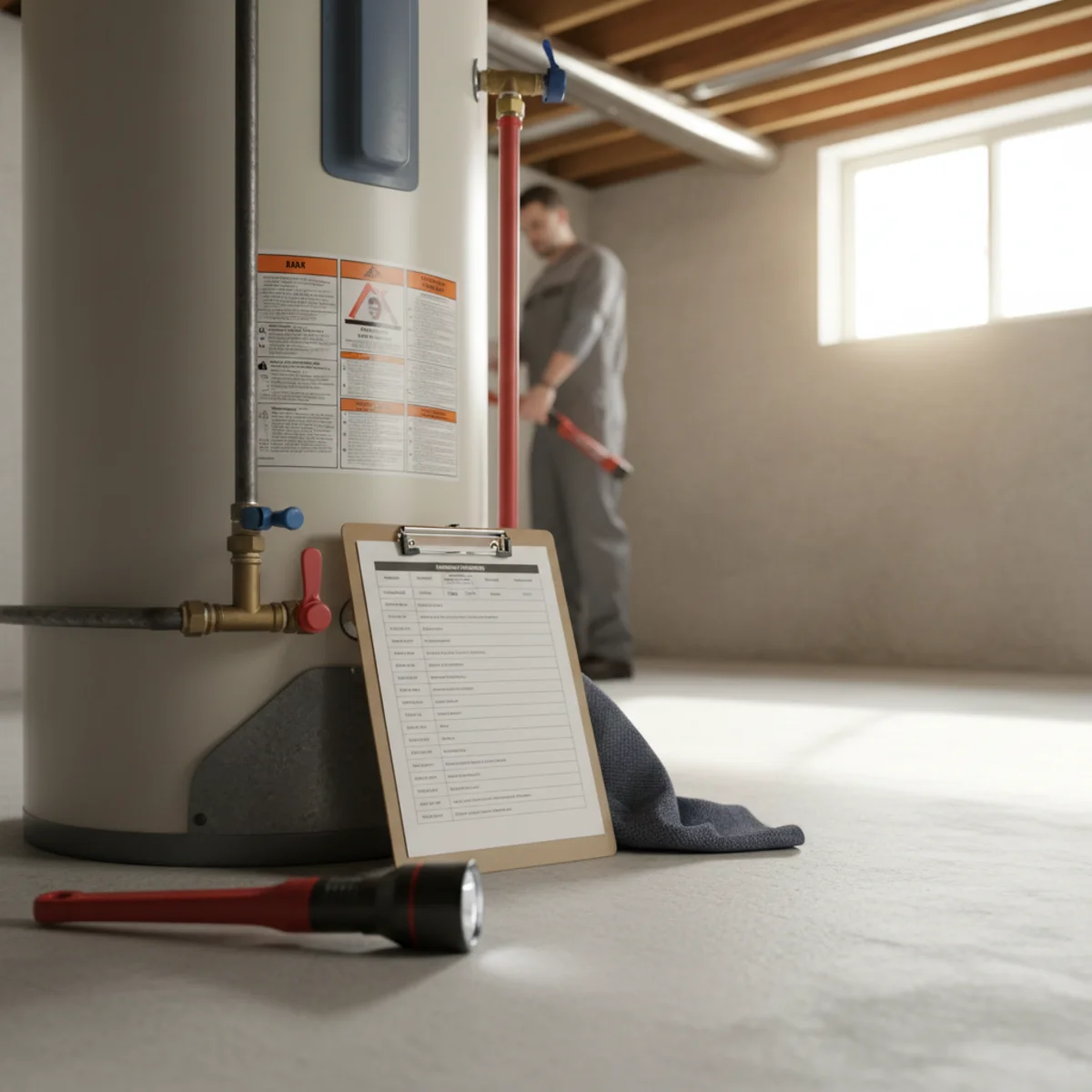
The Annual Water Heater Maintenance Checklist
Annual water heater maintenance takes less than an hour and can add years to your unit's life. This checklist covers every task worth doing—especially in Lebanon County's hard water.
7 min read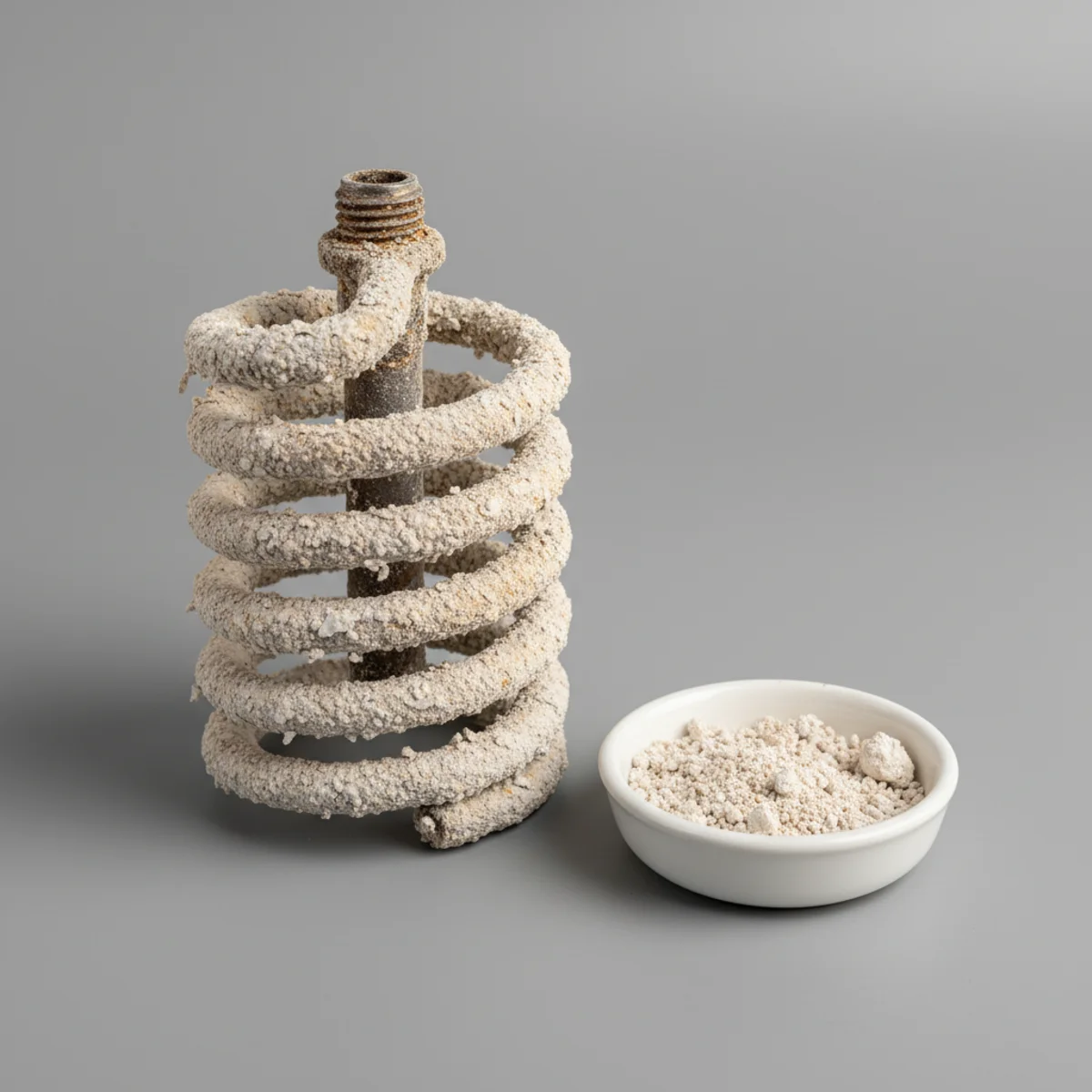
How Hard Water Wrecks Water Heaters (and What the Anode Rod Does)
Lebanon County tap water is loaded with calcium and magnesium. That mineral load quietly destroys water heaters from the inside out — unless you know what to do about it.
6 min readCall now for water heater service in Lebanon, PA
Repair, replacement, installation, or tankless — talk to a local crew that knows Lebanon County homes and hard water.
Same-day appointments available • Emergency water heater help