The Annual Water Heater Maintenance Checklist
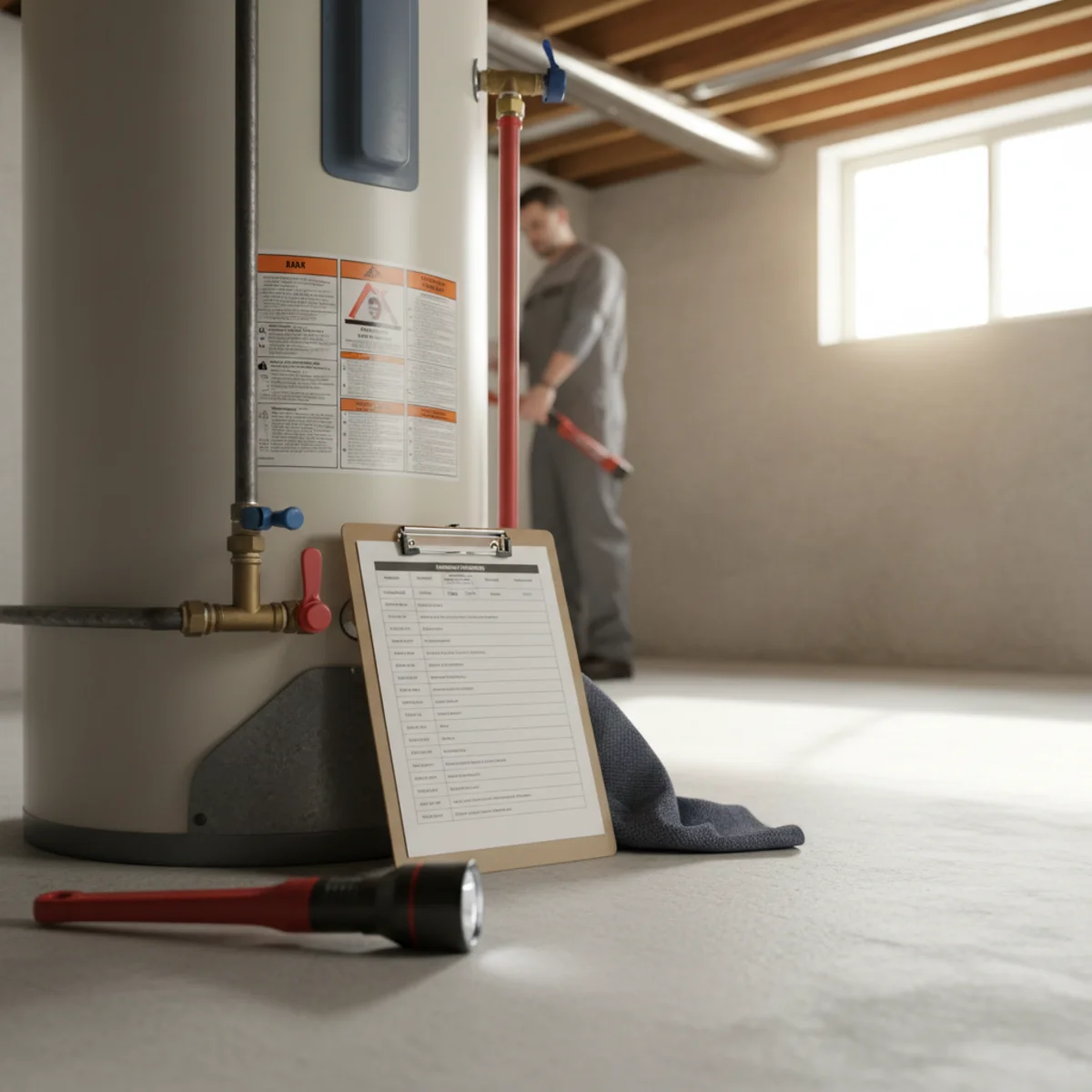
Water heater maintenance is one of those tasks that's easy to skip because the unit keeps working even when you don't do it. The problem is you're trading a little neglect now for a shorter lifespan, higher energy bills, and eventually a failure that arrives on the worst possible day. In Lebanon County, where hard water hits these units harder than average, annual maintenance isn't optional—it's what separates an 8-year water heater from a 12-year one.
This checklist covers every task worth doing, organized by who should handle it—homeowner or professional. Work through it once a year and you'll know exactly where your unit stands.
Visual Inspection (Homeowner)
Start with your eyes. Walk around the unit and look for anything that wasn't there last time.
- Check for moisture or corrosion at connections: Look at the cold inlet and hot outlet fittings at the top of the tank. Any mineral deposits or moisture indicates a slow weep that needs attention.
- Inspect the area around the tank base: Dry the floor and watch for any seeping. Moisture here—especially if it's not condensation—may mean a drain valve issue or, worse, the tank itself.
- Check the T&P valve discharge pipe: The pipe should run down toward the floor drain and show no signs of mineral crust or moisture at the valve body. If it looks like it's been dripping, the valve may be faulty or the unit's pressure may be running high.
- Look at the flue (gas units): If you have a gas unit with an atmospheric flue, inspect the flue pipe for gaps, rust, or disconnected sections. A compromised flue is a carbon monoxide risk.
- Check the area around the base for corrosion: On older units, look for rust staining or scale accumulation that might indicate long-term moisture contact.
Flush the Tank (Homeowner or Professional)
This is the most important maintenance task for Lebanon County homes. Hard water sediment accumulates at the tank bottom every year. Left alone, it calcifies, insulates the burner from the water, and corrodes the tank floor. An annual flush removes it before it hardens into a problem.
The basic process: attach a garden hose to the drain valve, run the hose to a floor drain, turn off the cold supply, open the drain valve, and let the tank drain until the water runs clear. For a unit that hasn't been flushed in several years, expect significant sediment in the initial discharge.
If sediment is so heavy that the drain valve clogs during flushing, or if the drain valve itself is cracked or leaking, that's a job for a professional. Our water heater flushing service handles the full process, including clearing stubborn buildup and replacing a compromised drain valve.
Our post on the benefits of water heater flushing covers why this task matters in more detail—including what happens to efficiency and lifespan when you skip it.
Test the T&P Valve (Homeowner)
The temperature and pressure relief valve is your water heater's primary safety device. It opens automatically if temperature or pressure inside the tank reaches a dangerous level. Testing it once a year confirms it still works.
Position a bucket under the discharge pipe, then lift the test lever briefly and release it. You should hear water discharge into the pipe and the lever should snap back firmly. If the valve doesn't release water, releases water and then drips continuously, or feels seized, it needs replacement. T&P valve replacement is inexpensive and important—don't ignore a faulty one.
Check the Anode Rod (Professional, Every 2–3 Years)
The anode rod is a magnesium or aluminum rod suspended inside the tank whose job is to corrode sacrificially so the tank doesn't. When it's depleted, the tank starts corroding instead—and there's no repairing a corroded tank.
Anode rod inspection requires partially draining the tank and removing the rod from the top of the unit. It's a manageable DIY task for mechanically inclined homeowners, but the rod can be extremely difficult to remove on older units, and cross-threading the replacement is a real risk. Having a professional check it every 2–3 years and replace it when needed is the low-stress approach.
In Lebanon County's hard water, anode rods can deplete faster than in soft-water areas. If you've never had yours checked and the unit is more than 4 years old, it's overdue.
Inspect the Thermostat Setting
Check that the thermostat is still set to 120°F. Higher temperatures accelerate mineral precipitation inside the tank and increase the risk of scalding; lower temperatures can promote bacterial growth. 120°F is the recommended standard for most households. If you have immunocompromised individuals at home, consult your doctor—some sources recommend 140°F, but this requires anti-scald devices at fixtures.
On gas units, the thermostat is on the gas valve. On electric units, there are typically two—one for the upper element and one for the lower—behind the access panels on the tank.
Check the Expansion Tank (If Applicable)
If your home has a closed plumbing system—common when a backflow preventer is installed on the main water supply—you should have a thermal expansion tank installed alongside your water heater. These small tanks absorb pressure spikes caused by thermal expansion when the water heater fires. If yours is waterlogged or its air charge is depleted, pressure in the system builds abnormally and stresses the T&P valve and the tank itself. Have it checked if you're not sure of its condition.
Insulate Pipes in Unheated Spaces
This isn't strictly a water heater task, but it's worth doing on the same visit. Lebanon County winters are cold enough that pipes running through uninsulated spaces—a crawlspace, an unheated garage, a poorly insulated basement corner—can freeze. Frozen pipes cause pressure spikes and failures that work backward through your plumbing. Foam pipe insulation is inexpensive and takes minutes to install.
Consider a Professional Annual Service
The homeowner tasks above are worth doing between professional visits. But once a year—or every other year on newer units—having a professional run through the full checklist is worthwhile. A trained eye catches things that are easy to miss: marginal thermocouple performance, early signs of internal corrosion, an anode rod that's been depleted too fast, a T&P valve that passes the lever test but isn't fully reliable.
Our water heater maintenance service covers the full inspection and all the tasks above with upfront pricing before any work begins. We know Lebanon County's hard water and what it does to these units over time—we see the results every week.
Keep Your Unit Working Longer
A properly maintained water heater in a Lebanon County home can give you reliable service for 10 to 12 years or more. Skip the maintenance, and you're looking at 8 or fewer—and a higher chance of a failure that causes water damage on top of the replacement cost. The work is minimal. The payoff is real.
To schedule a professional maintenance visit or ask about our maintenance plans, call (201) 277-9344 or book online. Same-day appointments are available when your schedule or situation calls for it.
Related water heater services
Written by the team at Lebanon Water Heater Pros. This article is general information for Lebanon-area homeowners, not a substitute for an on-site diagnosis. For suspected gas leaks, leave the home and call your gas utility or 911 — do not attempt gas repairs yourself.
Good questions
Frequently Asked Questions
Keep reading
Related articles
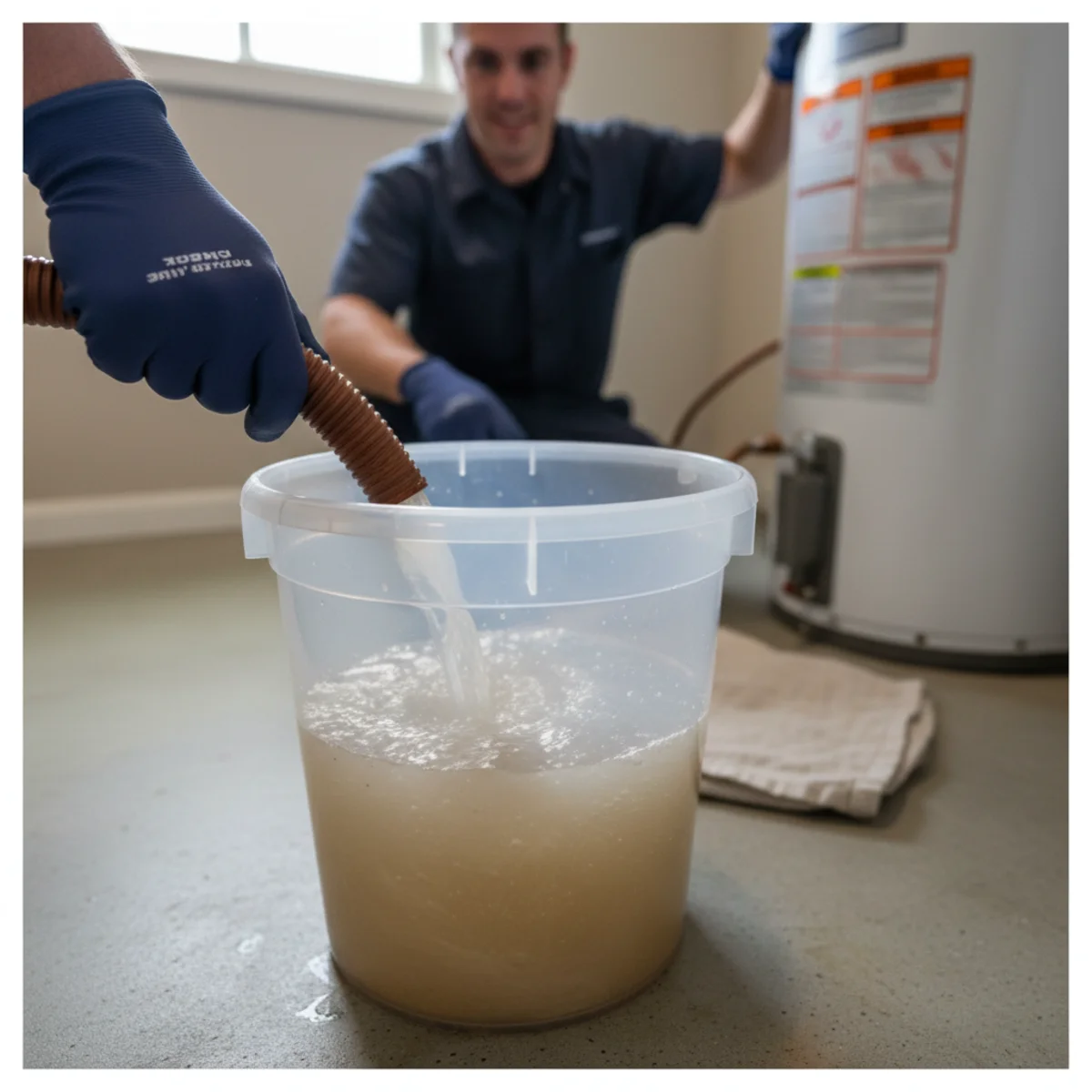
Water Heater Flushing: Why, When, and How to Drain It
Flushing your water heater is the single most neglected maintenance task in most homes. In Lebanon County's hard water, skipping it is how you turn a 12-year water heater into a 7-year water heater.
6 min read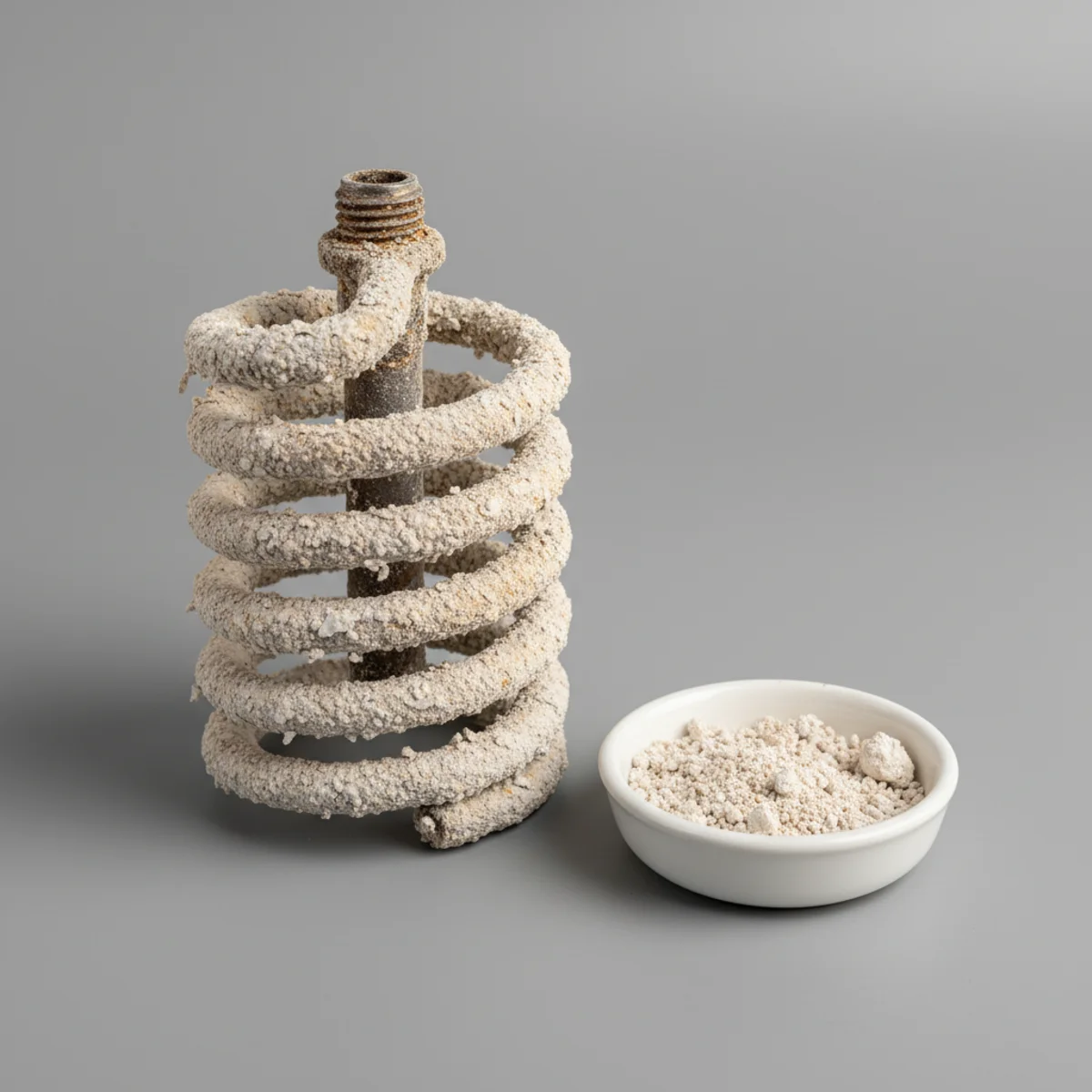
How Hard Water Wrecks Water Heaters (and What the Anode Rod Does)
Lebanon County tap water is loaded with calcium and magnesium. That mineral load quietly destroys water heaters from the inside out — unless you know what to do about it.
6 min read