Plumbing Services
Water Softener Service in Lebanon, PA
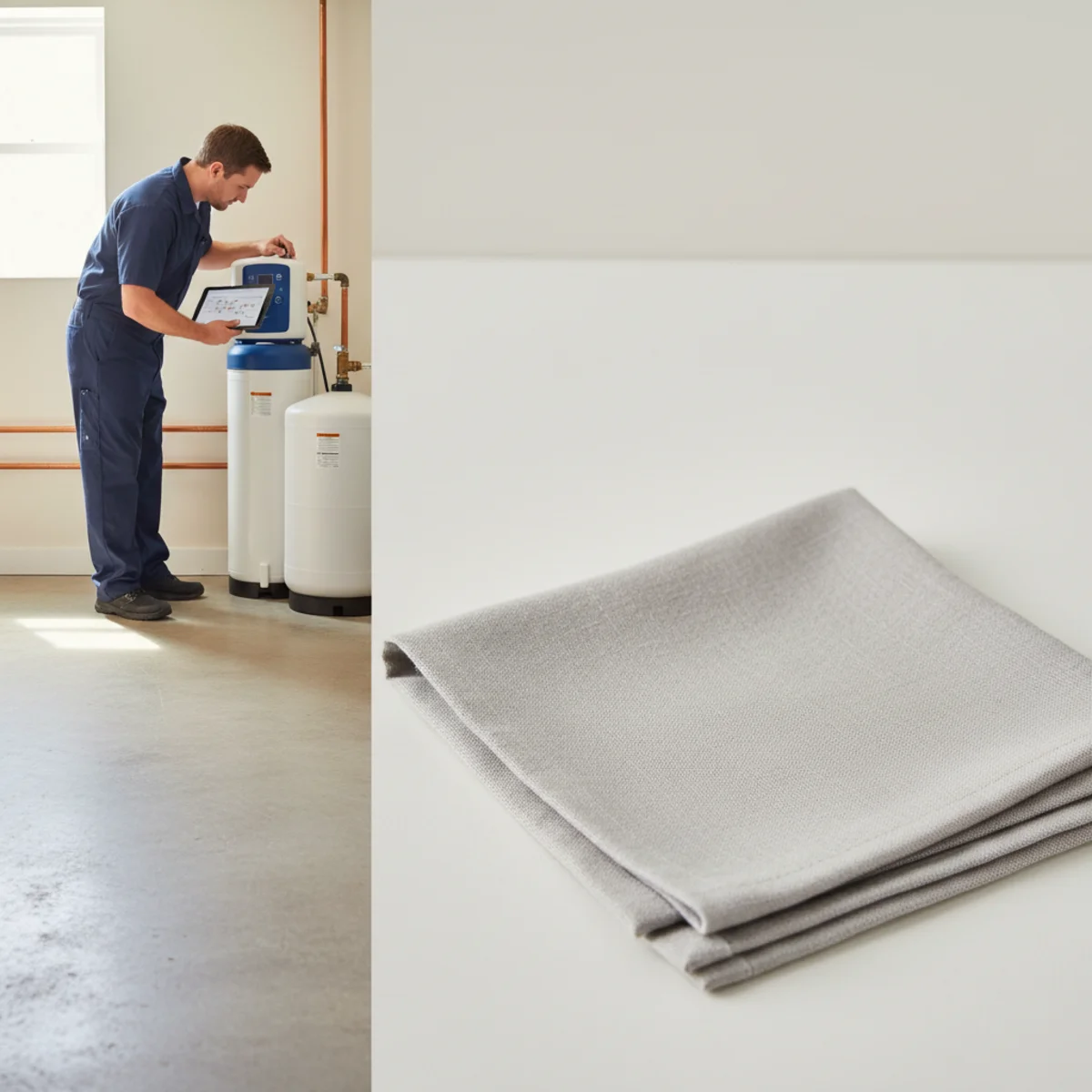
Lebanon County's hard water scales pipes, spots glassware, and shortens water heater life. We install and service whole-home softeners that protect your whole system.
- Licensed & insured service approach
- Same-day service available
- Tank & tankless experts
- Upfront options before work begins
- Local Lebanon County service
- Emergency water heater help
Lebanon County water is hard. The limestone geology of Central Pennsylvania puts calcium and magnesium into the groundwater at levels that leave scale on fixtures, film on glassware, and buildup inside every pipe and appliance that water touches. That buildup shortens the life of water heaters, clogs faucet aerators, reduces pressure at showerheads, and forces you to use more detergent than you should need to get things clean.
A whole-home water softener removes those minerals before they enter your plumbing system. The difference is visible in a few weeks: less spotting, softer skin and hair, clearer water from every tap. The less visible difference — scaling slowing down inside your pipes, your water heater, your dishwasher, and your washing machine — is the reason a softener pays for itself in equipment lifespan and energy efficiency over time.
We install, repair, and tune whole-home water softeners for Lebanon County homes. Upfront typical estimated ranges before any work begins, honest sizing for your household, and local pros who know exactly how hard the local water is.
What we cover
- Whole-home water softener installation and sizing
- Softener regeneration cycle diagnosis and repair
- Brine tank cleaning, salt bridge clearing, and salt selection
- Control valve repair and head replacement
- Resin bed assessment and replacement
- Bypass valve installation and operation
- Softener programming and hardness setting adjustment
- Well-water iron and hardness management
- Connection to existing plumbing — whole-house and point-of-entry
- Post-install water quality check
Hard water is harder on your plumbing than you think
Hard water scaling is invisible until it is not. It builds up on the inside of pipes, narrowing them over years. It coats the heating element of electric water heaters, forcing the element to work harder to transfer heat through a layer of scale. In gas water heaters, it settles as sediment on the tank floor, where it acts as insulation between the burner and the water — reducing efficiency and causing that characteristic rumbling sound when the burner fires. It clogs faucet aerators, shortens appliance life, and leaves visible deposits on every surface water touches.
A whole-home softener treats the water before it enters the system. Everything downstream — pipes, fixtures, appliances — sees softened water rather than mineral-laden water. The scaling stops. Over a few years, that matters significantly in a county where the water is as hard as Lebanon County's.
What a water softener actually does
A water softener works through ion exchange. Calcium and magnesium ions — the minerals that cause hardness — are attracted to a resin bed inside the softener tank and held there as water passes through. Sodium ions from the brine tank are periodically flushed through the resin to regenerate it, releasing the captured minerals down the drain and recharging the resin to keep softening.
The process is automatic and does not require daily attention. What it does require is maintaining the right salt level in the brine tank, checking periodically for salt bridges — a hardened crust that forms above the water level and prevents proper regeneration — and adjusting the regeneration schedule if your household's water use changes. We set those parameters correctly from the start and explain how to maintain them.
Softeners protect your water heater
One of the most direct benefits of a whole-home water softener is what it does — or rather, what it stops — inside your water heater. Lebanon County hard water deposits sediment in tank-style water heaters that accumulates on the tank floor with every heating cycle. That layer of sediment reduces efficiency, accelerates tank corrosion, and eventually leads to early failure. Softened water dramatically slows that accumulation.
Even with a softener, regular flushing is still recommended — some sediment still enters through supply lines and fittings. But the difference between a flushed tank on soft water and an unflushed tank on hard water is significant in terms of lifespan and energy use. If your water heater has been running on unsoftened Lebanon County water for years and has never been flushed, see our water heater flushing page to understand what that sediment has been doing and how flushing helps.
Well water in rural Lebanon County
Homes on private wells near Jonestown, Fredericksburg, and the rural stretches of Lebanon County often deal with water that is hard and may also contain elevated iron levels. Iron above a certain concentration fouls the softener resin faster than normal calcium and magnesium, requiring more frequent regeneration and specialized resin cleaner. It also stains fixtures, laundry, and porcelain with an orange or rust-colored tint.
We test and assess the incoming water for homes on well supply before sizing and installing a softener, so the system is configured correctly for actual water conditions rather than typical municipal parameters. A softener that is undersized or not tuned for iron will underperform and wear out prematurely.
Local & dependable
Built for Lebanon County homes
Lebanon County's water hardness is among the higher readings in Central Pennsylvania, a direct result of the limestone geology that underlies much of the region. Hard water from the Lebanon Valley aquifer system affects both municipal supplies in Lebanon, Annville, Palmyra, and Cornwall and private wells throughout the rural county. Homes near Jonestown and Fredericksburg on well water often see even higher hardness and iron levels than municipal users. The practical result is visible everywhere: heavy mineral deposits on showerheads and faucet aerators, scale buildup in water heaters, and shortened appliance life compared to homes in softer-water regions. A properly sized and maintained whole-home softener is one of the most cost-effective investments a Lebanon County homeowner can make in their plumbing system.
Simple & transparent
What to Expect on a Service Visit
No mystery, no runaround — here's exactly how a visit works, from your first call to clean hot water.
- 1
Call or request service
Tell us what your water heater is doing — no hot water, a leak, strange noises — and we set up a same-day or scheduled visit.
- 2
Inspect the unit & connections
We check the tank, burner or elements, thermostat, valves, venting, and the surrounding plumbing for the real cause.
- 3
Diagnose & explain options
You get a straight diagnosis and clear repair-or-replace options with upfront pricing before any work begins.
- 4
Complete the approved work
Once you choose, we complete the repair or installation cleanly, to code, with quality parts.
- 5
Test, clean up & advise
We confirm hot water is back, clean the work area, and share simple maintenance tips for our local water.
No surprises
Honest, Upfront Pricing — No Hidden Fees
The number we give you before we start is the number you pay. No mystery trip charges, no estimate that balloons on the invoice, and no pressure to replace a unit that can be fixed.
Upfront price, every time
You get a clear price before any work begins — never a vague “we'll see when we get there.”
No surprise trip fees
What we quote is what you pay. No mystery charges quietly added to the final invoice.
Honest repair-or-replace advice
If a fix makes more sense than a replacement, we say so. We don't upsell a tank that has good years left.
No-pressure recommendations
We lay out your options with typical, estimated ranges, then let you decide on your own timeline.
Why us
Why Homeowners Choose Lebanon Water Heater Pros
Genuinely local
We focus on Lebanon and the surrounding county, so we know the older basements, the hard water, and the cold-snap failures firsthand.
Fast response
No hot water is an emergency. We prioritize same-day appointments and clear arrival windows instead of vague all-day waits.
Licensed & insured approach
Work is handled by licensed, insured local pros who follow Pennsylvania code — and we tell you straight when a permit is involved.
Clear communication
You hear what's wrong, what your options are, and what each one costs before anyone picks up a wrench.
Upfront options
Repair or replace, tank or tankless — we lay out the honest trade-offs so you decide, with no pressure.
Respect for your home
Drop cloths, clean shoes, and a tidy work area. We leave your utility room better than we found it.
Related services
More ways we can help
Flushing & Sediment
Sediment flushing to quiet rumbling, restore recovery, and protect the tank in hard water.
Learn moreMaintenance & Tune-Up
Flushing, anode-rod checks, T&P valve testing, and tankless descaling to extend unit life.
Learn moreFixture Repair
Faucets, valves, and supply lines repaired or replaced — dripping, leaking, and worn fixtures.
Learn morePipe Repair
Repairing leaking, corroded, or frozen-and-burst pipes — copper, PEX, and galvanized.
Learn moreWater Heater Replacement
Code-compliant replacement with old-unit removal, correct sizing, and clean connections.
Learn moreService areas
Water Softener Service near you
We serve Lebanon and the surrounding communities. Find your town or just give us a call.
Get started
Request service
Tell us what's going on and we'll reach out to confirm a time.
Good questions
Water Softener Service FAQs
From our blog
Helpful Water Heater Guides
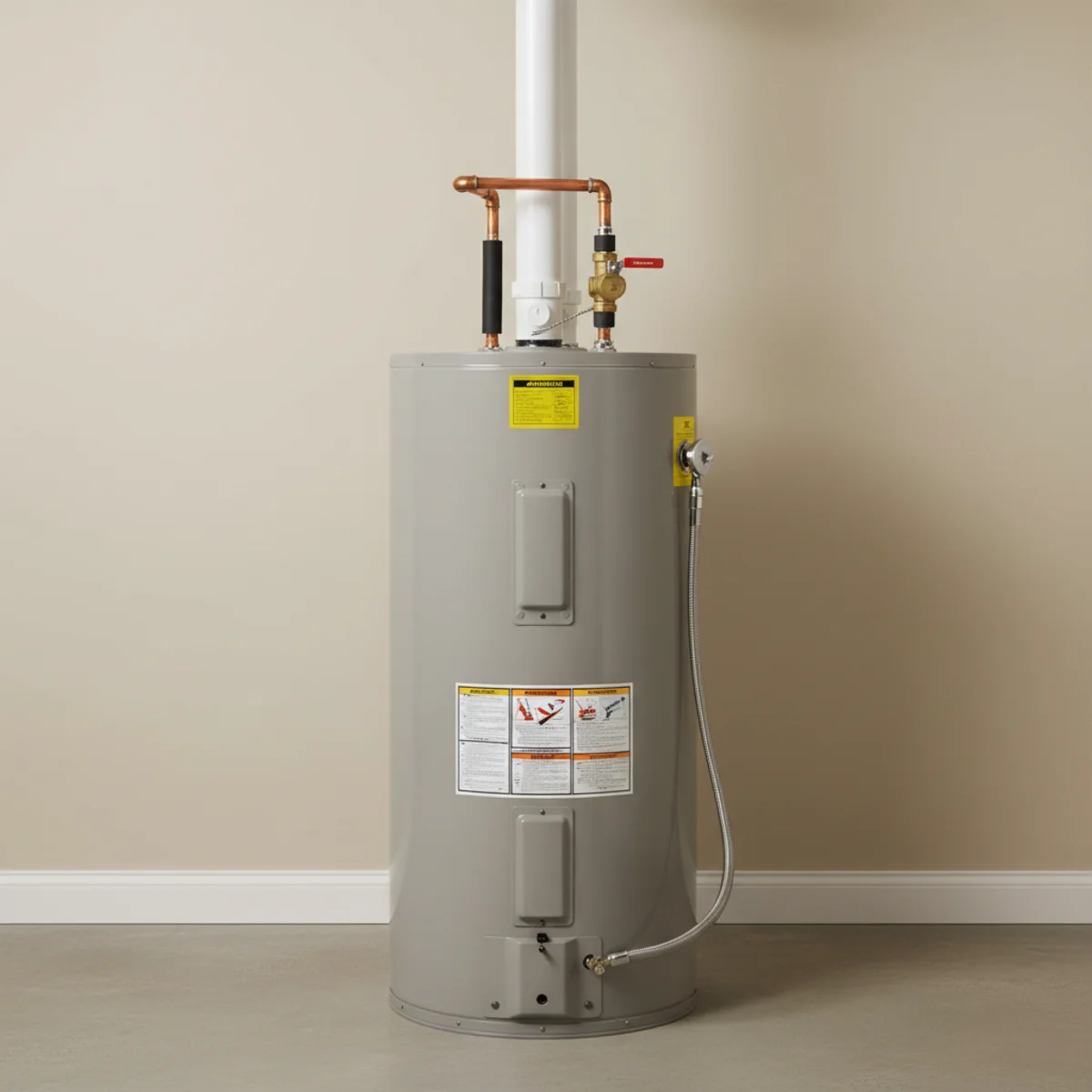
Repair or Replace Your Water Heater? How to Decide
Deciding whether to repair or replace your water heater comes down to age, repair cost, and what the unit has left in it. Here's a practical framework for making that call.
7 min read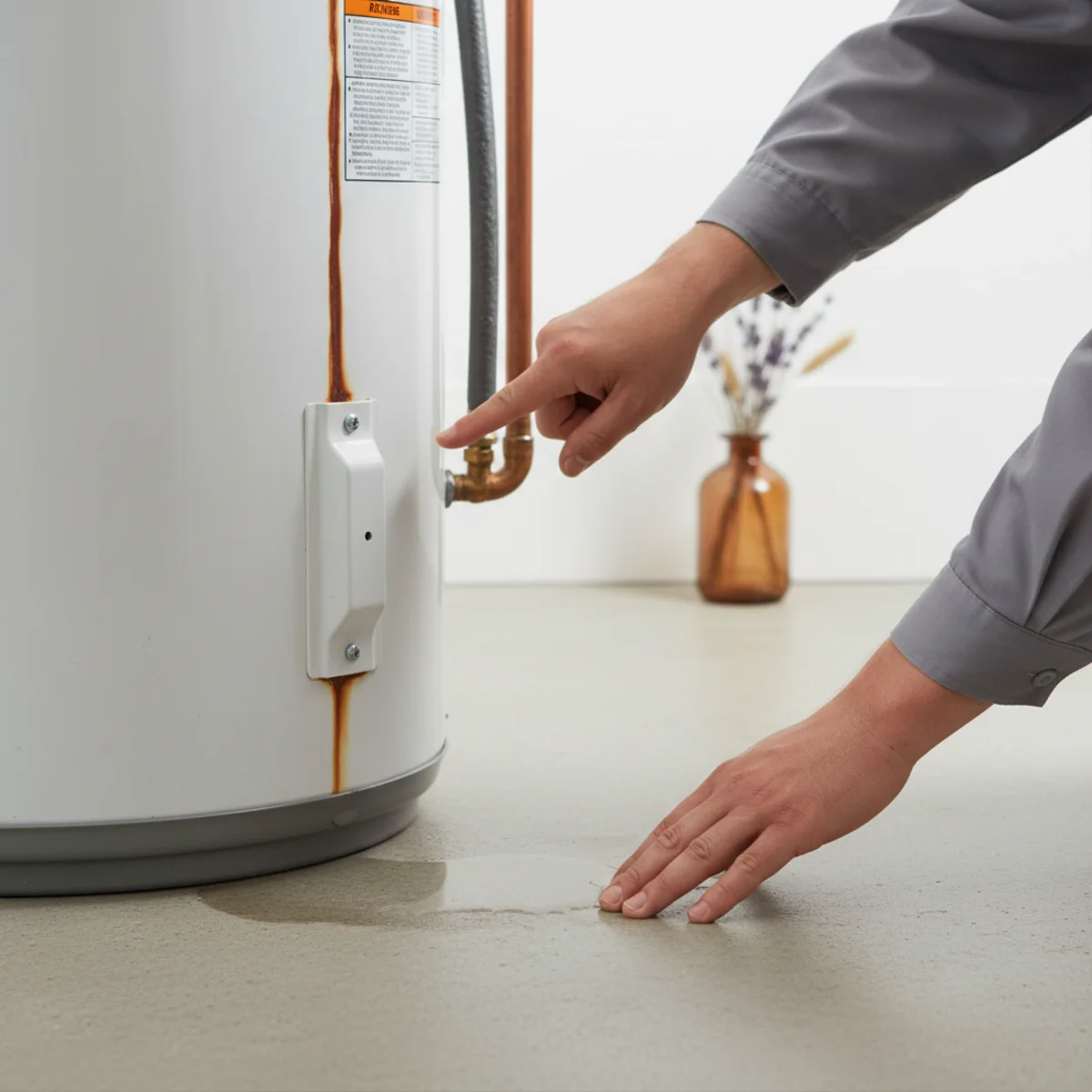
7 Signs Your Water Heater Is Going Bad
Catching the signs your water heater is going bad early is the difference between a planned replacement and a flooded utility room. These 7 warning signs are worth knowing.
7 min read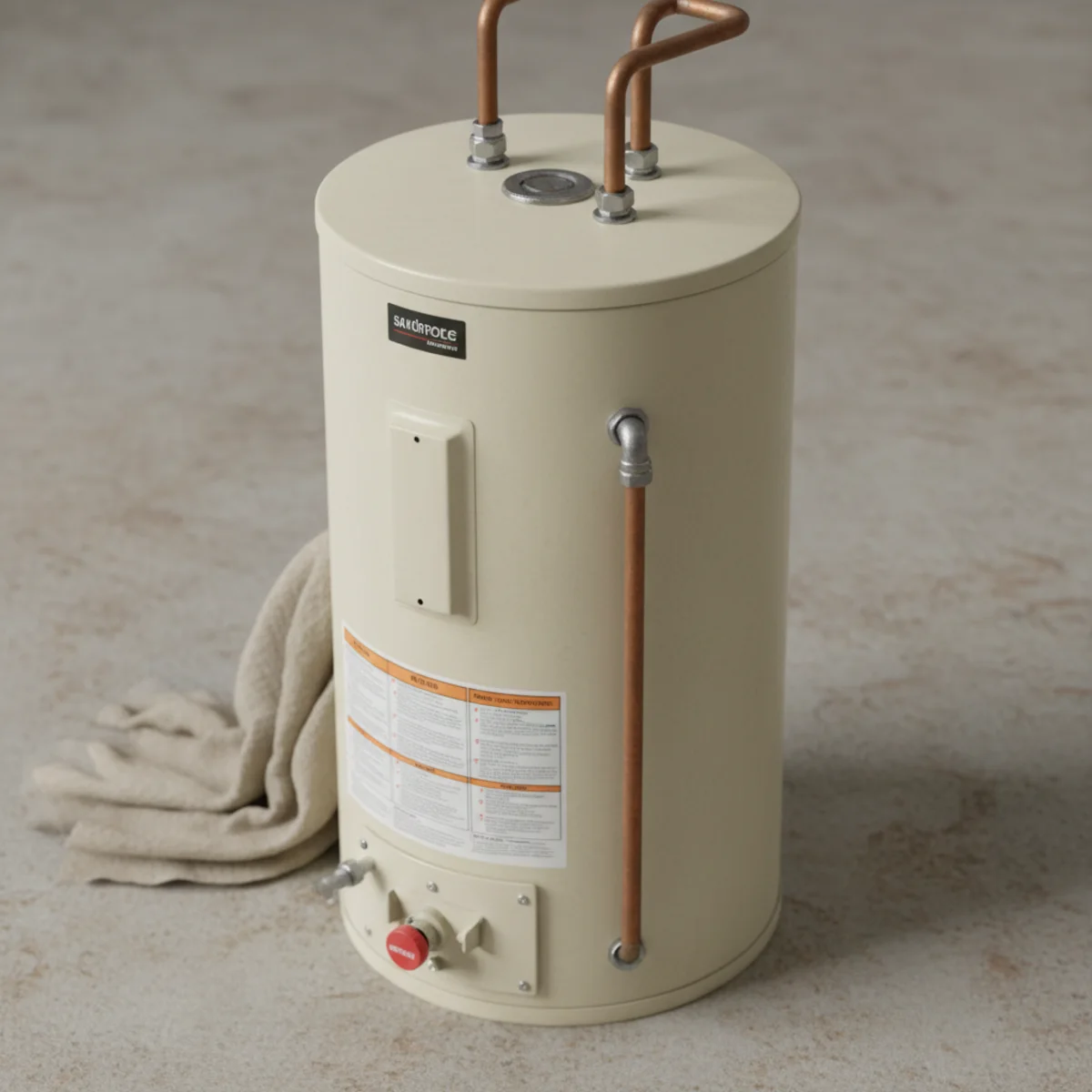
How Long Do Water Heaters Last in Lebanon, PA?
Most water heaters last 8 to 15 years, but Lebanon County's hard water can cut that short. Here's how to know where your unit stands—and when to start planning.
7 min readCall now for water heater service in Lebanon, PA
Repair, replacement, installation, or tankless — talk to a local crew that knows Lebanon County homes and hard water.
Same-day appointments available • Emergency water heater help