7 Signs Your Water Heater Is Going Bad
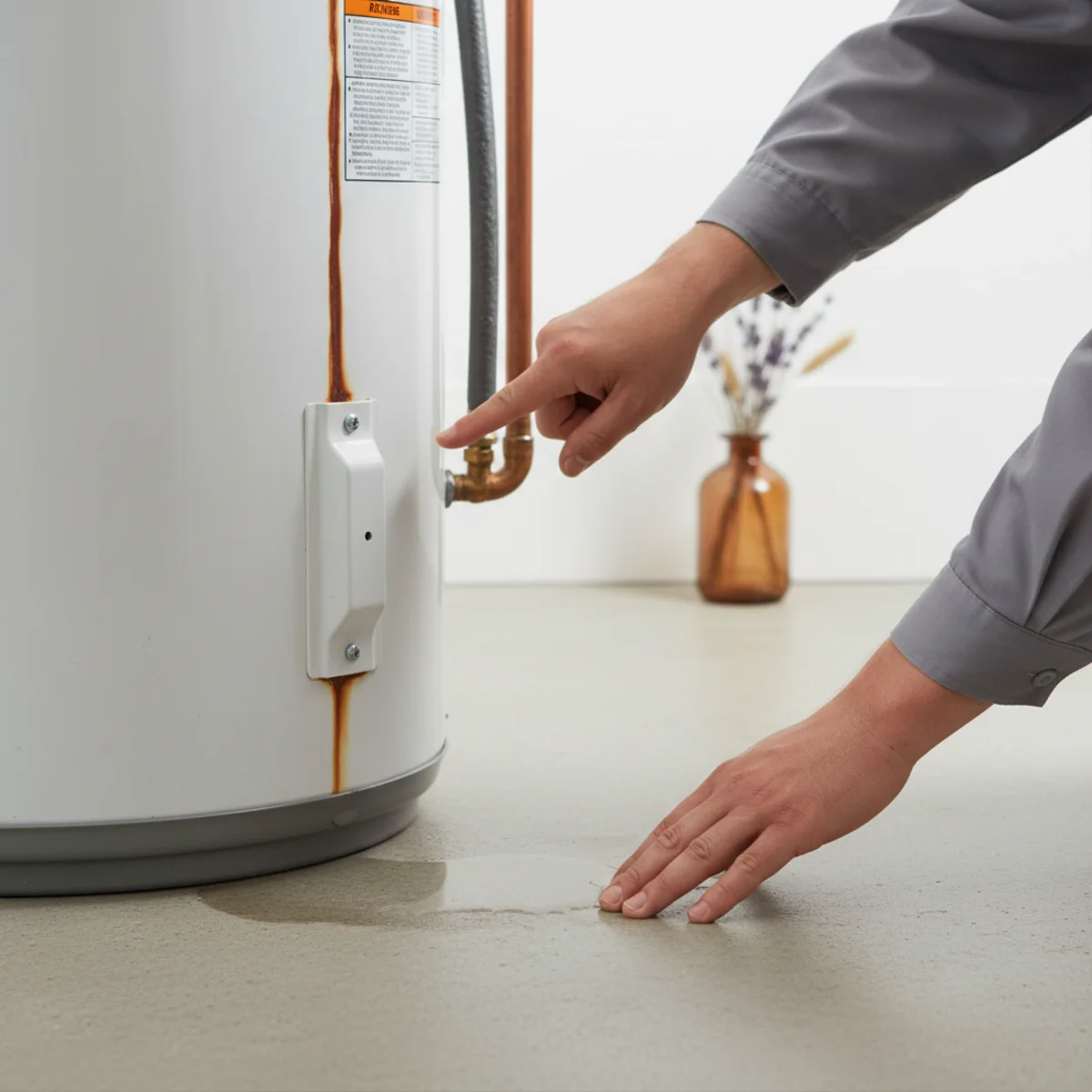
Most water heaters don't fail without warning. The warnings are just easy to dismiss—a little noise here, slightly slower hot water there—until the day the tank lets go and you're standing in an inch of water. Here are the seven signs worth taking seriously, especially in Lebanon County where hard water puts extra stress on these units.
1. The Water Takes Much Longer to Heat
If your morning shower used to be hot in two minutes and now it takes five, something has changed. On electric units, this usually points to a failing heating element. On gas units, it may indicate a thermocouple issue, partial pilot problems, or sediment buildup insulating the burner from the water.
Sediment is the most common culprit in Lebanon-area homes. As hard water minerals settle at the tank bottom, they create a barrier between the burner and the water above it. The unit runs longer to compensate—until it can't keep up. Annual flushing removes that buildup before it reaches this stage.
2. You're Running Out of Hot Water Faster Than Before
A healthy 50-gallon tank should comfortably handle two consecutive showers and a load of dishes. If it's struggling to cover what it used to handle easily, the effective capacity is shrinking. Sediment displacement is part of this—a tank with several inches of mineral buildup at the bottom is functionally a smaller tank. A degraded heating element or thermostat contributes as well.
This symptom gets worse gradually, which is why it's easy to miss. Compare notes with your household: if your water heating habits haven't changed but the complaints have increased, the unit is telling you something.
3. Rusty or Discolored Hot Water
Orange or reddish-brown water from your hot taps is one of the clearest signs of internal tank corrosion. Modern tanks have a glass-ceramic lining that protects the steel from the water, but that lining cracks and chips over time. Once exposed steel meets water, rust begins—and it comes out your faucets.
Before assuming it's the tank, flush your cold water from the tap and check the color. If the cold runs clear and the hot runs rusty, the problem is your water heater. If both run discolored, the issue may be your pipes or municipal supply. Our post on rusty hot water causes covers the full diagnostic process.
One note: a brand-new anode rod can sometimes cause temporarily discolored water as it reacts with the water chemistry. This clears up on its own. Persistent rust color on an aging unit is a different story.
4. Popping, Rumbling, or Banging Sounds
A quiet water heater is a healthy water heater. Popping or rumbling sounds—especially when the unit is heating—are the sound of water trying to percolate through a layer of hardened sediment at the tank bottom. The sediment has calcified enough that it traps pockets of water beneath it, and those pockets pop as they heat and expand.
This isn't just annoying—it's a warning. The sediment layer is forcing your burner or element to overheat, stressing the tank floor and accelerating wear. A loud unit is an aging unit. Our post on water heater noises goes deeper on what different sounds indicate.
5. Water Pooling at the Base of the Tank
Any standing water near your water heater warrants immediate investigation. It could be condensation from a nearby pipe, an overflow from the T&P valve, or a connection fitting that's worked loose—all of which are fixable. But it could also be a hairline crack in the tank itself, which is not fixable.
Wipe the area dry and watch for 24 hours. Check the fittings at the top of the tank, the T&P valve discharge pipe, and the drain valve. If the source isn't one of those—if water is seeping from the tank body or pooling at the base with no clear origin—that tank needs to come out. A small seep becomes a larger leak, and a larger leak can become a failure without much notice. See our guide on why water heaters leak for a full walkthrough.
6. The Unit Is 10 or More Years Old
Age alone isn't a malfunction, but it's a risk factor worth knowing. Standard tank water heaters are designed for roughly 8–12 years. Past that point, internal corrosion, anode rod depletion, and general wear make failure increasingly likely. In Lebanon County homes with hard water and minimal maintenance, realistic lifespan can skew toward the shorter end of that range.
If your unit is past 10 years and you're noticing any other item on this list, the combination of age plus symptoms is a strong signal. Even without other symptoms, a unit past 12 years deserves a professional inspection to assess what's left.
7. The Energy Bill Is Climbing Without a Clear Reason
Water heating accounts for a meaningful portion of a home's energy use. If your utility bills are trending upward and you haven't changed your habits or added appliances, your water heater may be to blame. A unit working harder due to sediment buildup, a failing thermostat, or an element that cycles more frequently than it should will show up in your monthly costs before it shows up as a visible failure.
This sign is easy to overlook because bills fluctuate for many reasons. But if you can isolate the change to the winter heating months and rule out your HVAC, it's worth having the water heater inspected.
What to Do When You Spot These Signs
One of these signs in isolation might mean a simple repair. Multiple signs together—especially combined with age—almost always point toward replacement being the smarter investment. The worst outcome is waiting until you have no choice, because emergency replacements mean rushed decisions and whatever is available on short notice.
Our local Lebanon crew can inspect your unit, give you an honest read, and provide upfront pricing before any work begins—whether that's a targeted water heater repair or a planned water heater replacement. Call (201) 277-9344 or schedule online. Same-day service is available for urgent situations.
Related water heater services
Written by the team at Lebanon Water Heater Pros. This article is general information for Lebanon-area homeowners, not a substitute for an on-site diagnosis. For suspected gas leaks, leave the home and call your gas utility or 911 — do not attempt gas repairs yourself.
Good questions
Frequently Asked Questions
Keep reading
Related articles
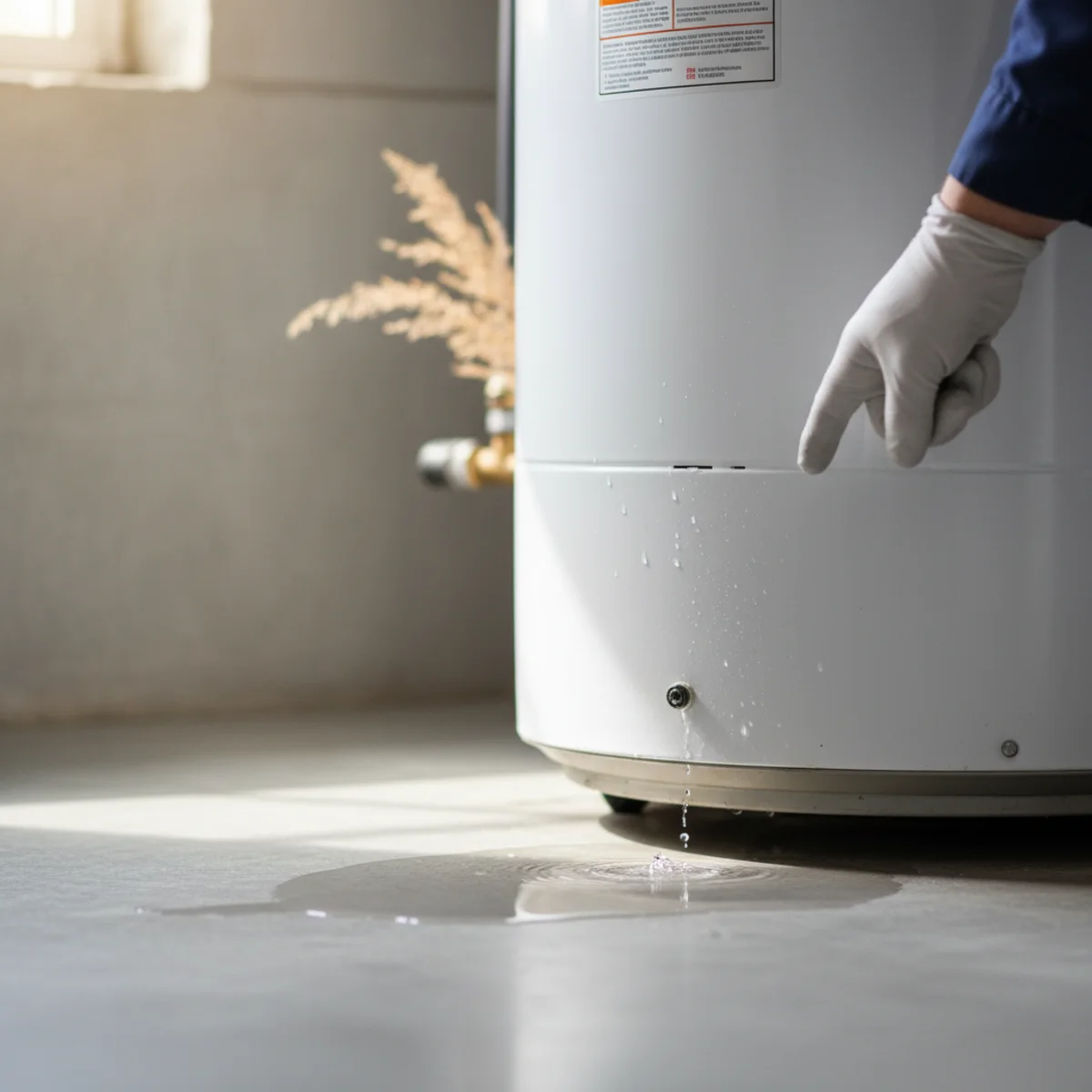
Why Is My Water Heater Leaking? Causes and Fixes
A water heater leak isn't automatically a catastrophe, but you need to know where it's coming from fast. Some causes are simple fixes; others mean the unit is done.
7 min read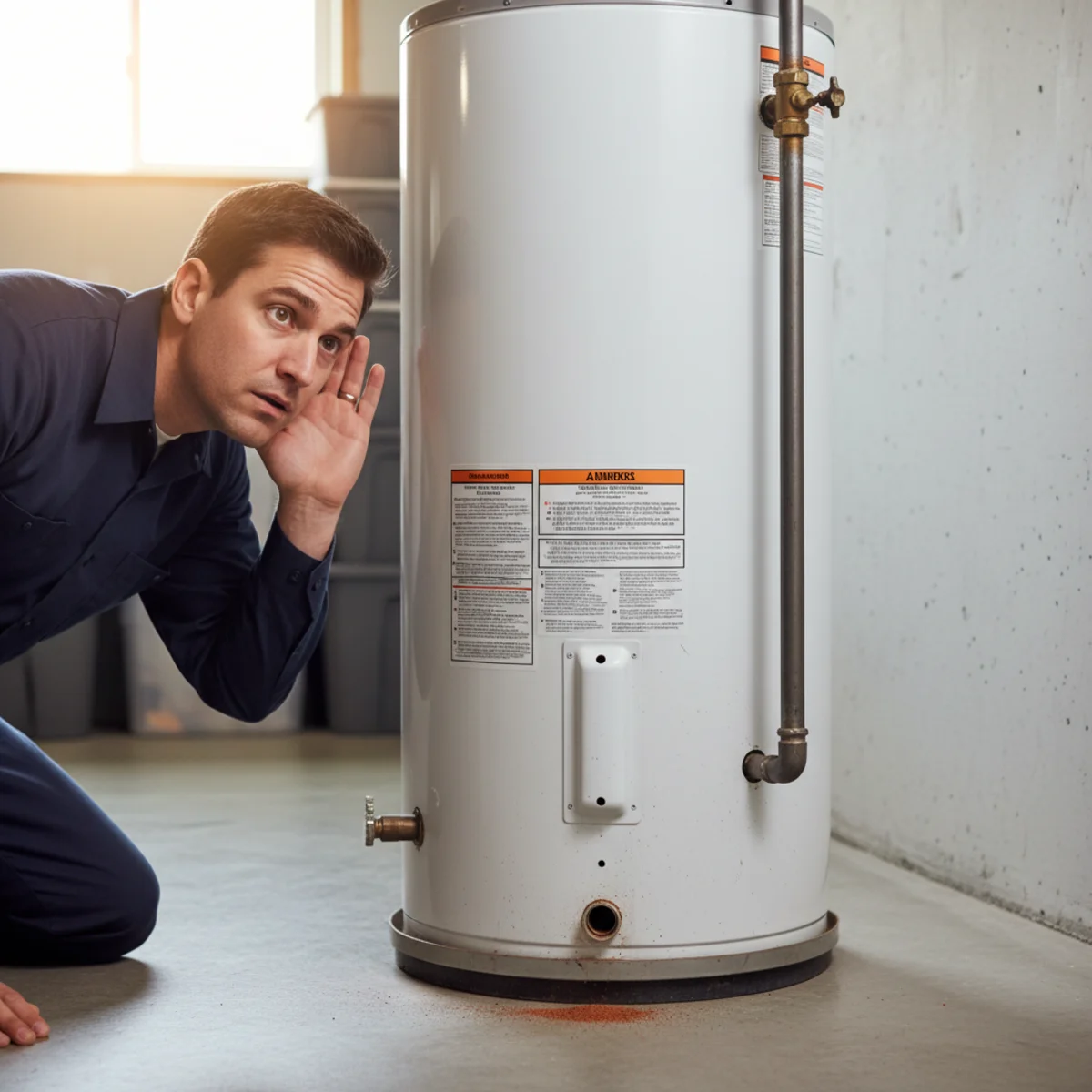
Water Heater Making Noise? Popping and Rumbling Explained
That popping, rumbling, or banging from your water heater isn't random. It is telling you something specific about what's happening inside the tank -- and what you should do about it.
6 min read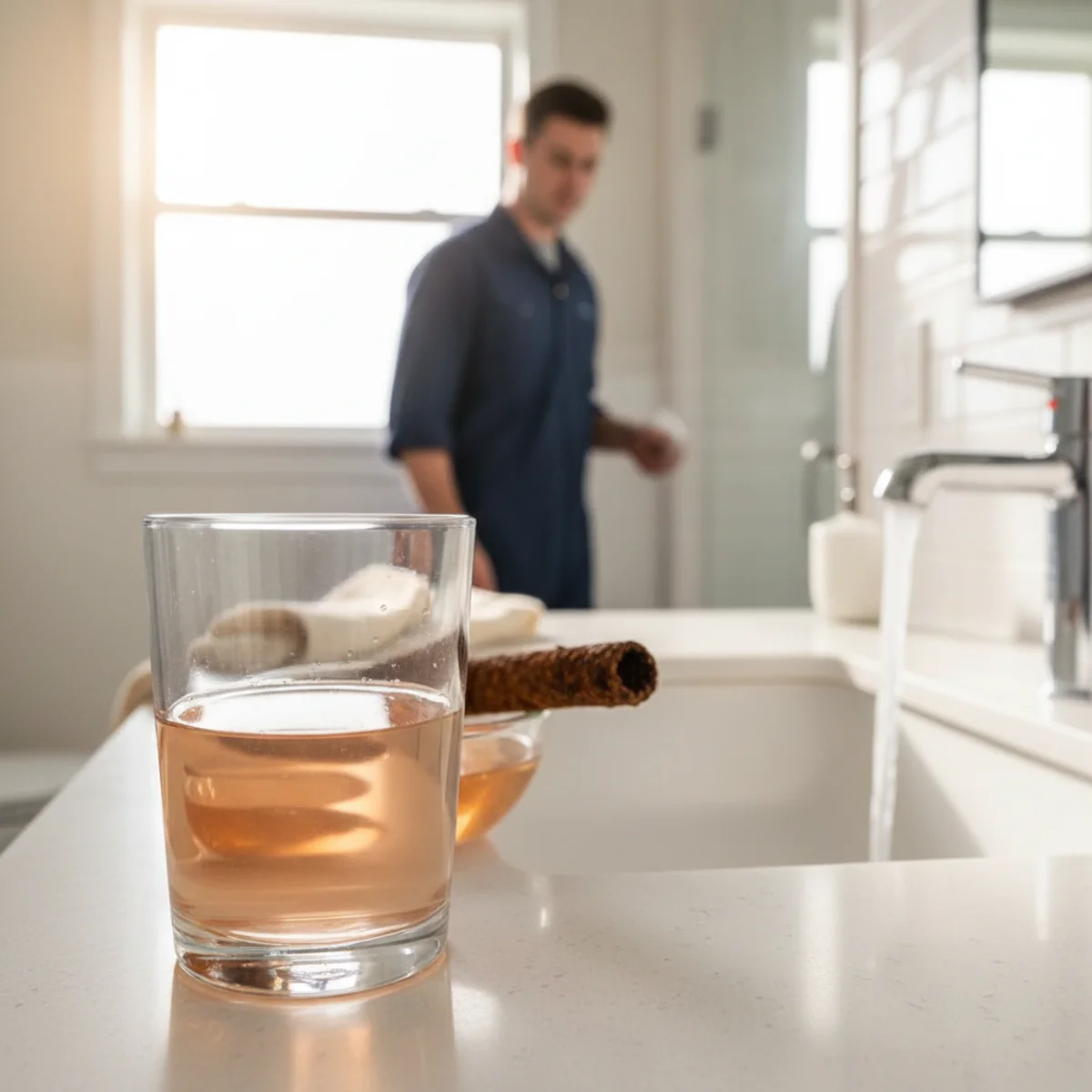
Why Is My Hot Water Rusty or Discolored?
Rust-colored hot water is more than a nuisance -- it signals that something is corroding in your water supply system. Here is where to start looking and what to do.
5 min read