Why Is My Hot Water Rusty or Discolored?

Rusty or orange-tinted hot water is alarming and for good reason. You shouldn't have to run the tap for three minutes before the water clears, and discolored hot water that returns every morning isn't something to get used to. It points to something corroding in your plumbing system, and narrowing down the source is the first step toward fixing it.
Is It Hot Water Only, or Both Hot and Cold?
This is the first question to ask, and it immediately narrows the field. Run the cold tap at the same fixture and check the color. If the cold water is also discolored, the issue is with your incoming water supply or with iron pipes before the water heater — not the heater itself. Contact your water utility if you're on municipal supply, or consider iron filtration if you're on a well. If only the hot water is rusty, the cause is almost certainly inside or associated with the water heater.
The Anode Rod: First Thing to Check
Every conventional water heater contains a sacrificial anode rod — a magnesium or aluminum rod designed to corrode so the tank lining doesn't have to. When the anode rod is depleted, the tank itself starts to rust, and rusty hot water is often the first sign homeowners notice. In Lebanon County's hard water, anode rods can deplete faster than the manufacturer's expected schedule because the mineral-rich water accelerates the electrochemical reaction.
A fresh anode rod in a tank that hasn't reached the corrosion stage can stop rusty water and extend tank life significantly. This is one of the key checks in any routine water heater maintenance. If the rod is gone and the tank has already started corroding internally, an anode swap won't reverse the damage — water heater replacement becomes the answer at that point.
Sediment and Scale Buildup
Hard water leaves behind calcium and magnesium sediment that settles at the bottom of the tank. Over several years, this sediment layer traps moisture against the tank lining and can harbor corrosion. When the heater fires, sediment gets stirred and sometimes drawn into the hot-water supply, tinting the water brown or orange. If you've never had the tank flushed and it's more than three or four years old, sediment is a likely contributor.
Annual or biennial flushing removes this accumulation before it causes lasting damage. In Lebanon and the surrounding Central PA area, where water hardness is higher than the national average, flushing every year is a reasonable maintenance rhythm for most households.
Galvanized Steel Pipes
Many Lebanon-area homes built before the 1980s have galvanized steel supply pipes. Galvanized pipe corrodes from the inside as the zinc coating wears away over decades, releasing iron particles into the water. The discoloration often appears first in hot water because higher temperatures accelerate pipe corrosion. If your home has original galvanized plumbing, the water heater may be fine, but the pipes feeding hot water to your fixtures are the culprit.
Replacing galvanized supply lines with copper or PEX is a larger project than a water heater fix, but it solves the rust problem permanently and improves water flow that has likely been decreasing for years as scale builds inside the old pipes.
How to Tell If It's the Pipes vs. the Tank
Drain a quart of water directly from the tank's drain valve into a clean container. If that water is clear, the tank itself is clean and the discoloration is occurring in the distribution pipes. If the water from the drain valve is rusty, the corrosion is inside the tank. This simple test points you toward the right repair path without guesswork.
When Rusty Hot Water Means Replacement
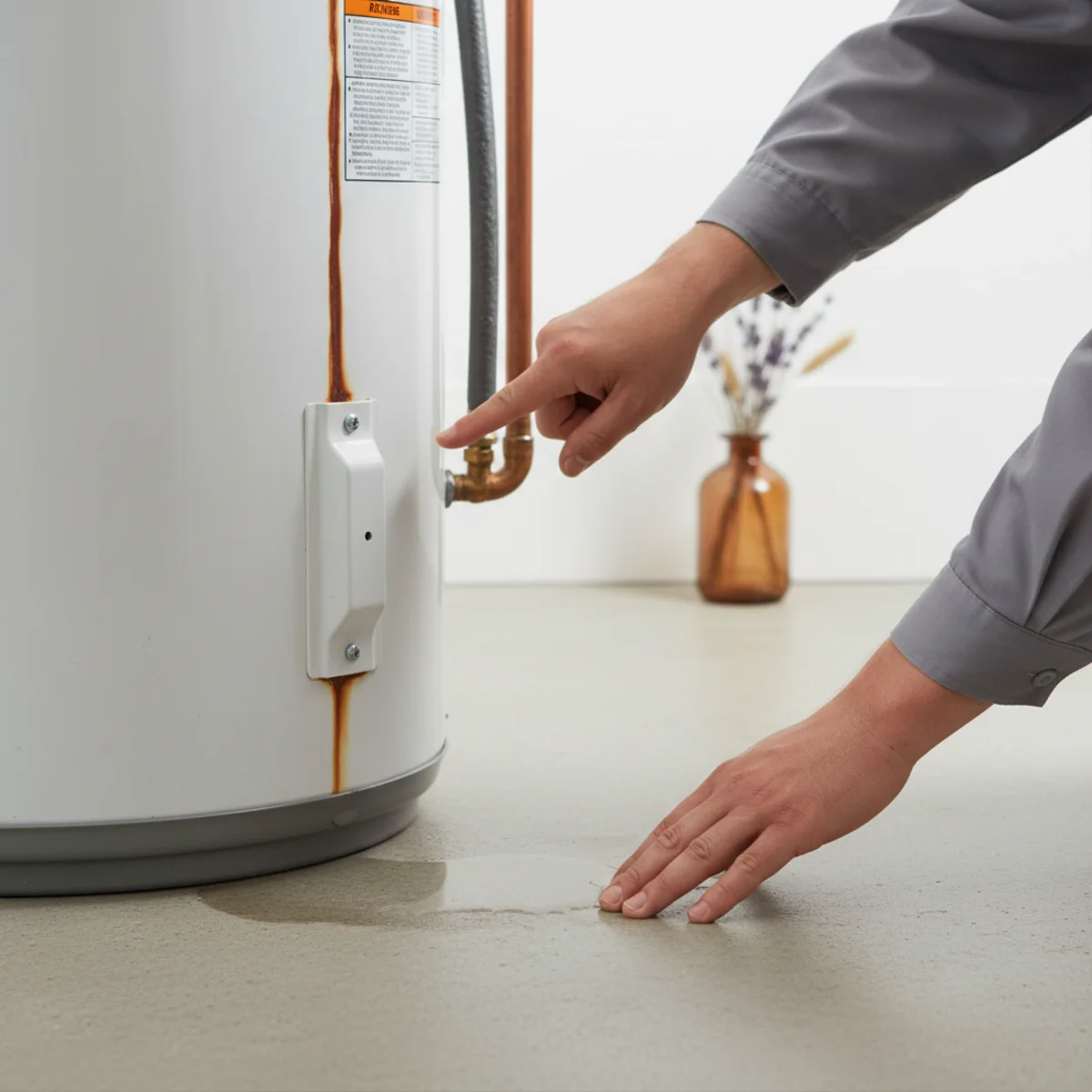
If the tank itself is corroding internally — confirmed by rusty water directly from the drain valve, visible rust scale in the drained water, or a tank that is 10-plus years old — there is no repair that reverses internal corrosion. A corroding tank is also at elevated risk of developing a pinhole leak. At that stage, continuing to operate it is just delaying the inevitable while the risk of a water-damage event grows.
Our water heater repair service includes a full inspection to determine whether the issue is the anode rod, sediment, or internal tank corrosion. We give you a clear answer and an upfront price before any work begins — whether that means a repair or a replacement conversation.
Get a Clear Answer on Your Rusty Hot Water
Don't keep running the tap and hoping it clears. Rusty hot water that persists points to a real problem that only gets worse. Call (201) 277-9344 or schedule a water heater inspection online. Our local crew can diagnose the cause same day in most cases across Lebanon and surrounding communities.
Related water heater services
Written by the team at Lebanon Water Heater Pros. This article is general information for Lebanon-area homeowners, not a substitute for an on-site diagnosis. For suspected gas leaks, leave the home and call your gas utility or 911 — do not attempt gas repairs yourself.
Good questions
Frequently Asked Questions
Keep reading
Related articles
7 Signs Your Water Heater Is Going Bad
Catching the signs your water heater is going bad early is the difference between a planned replacement and a flooded utility room. These 7 warning signs are worth knowing.
7 min read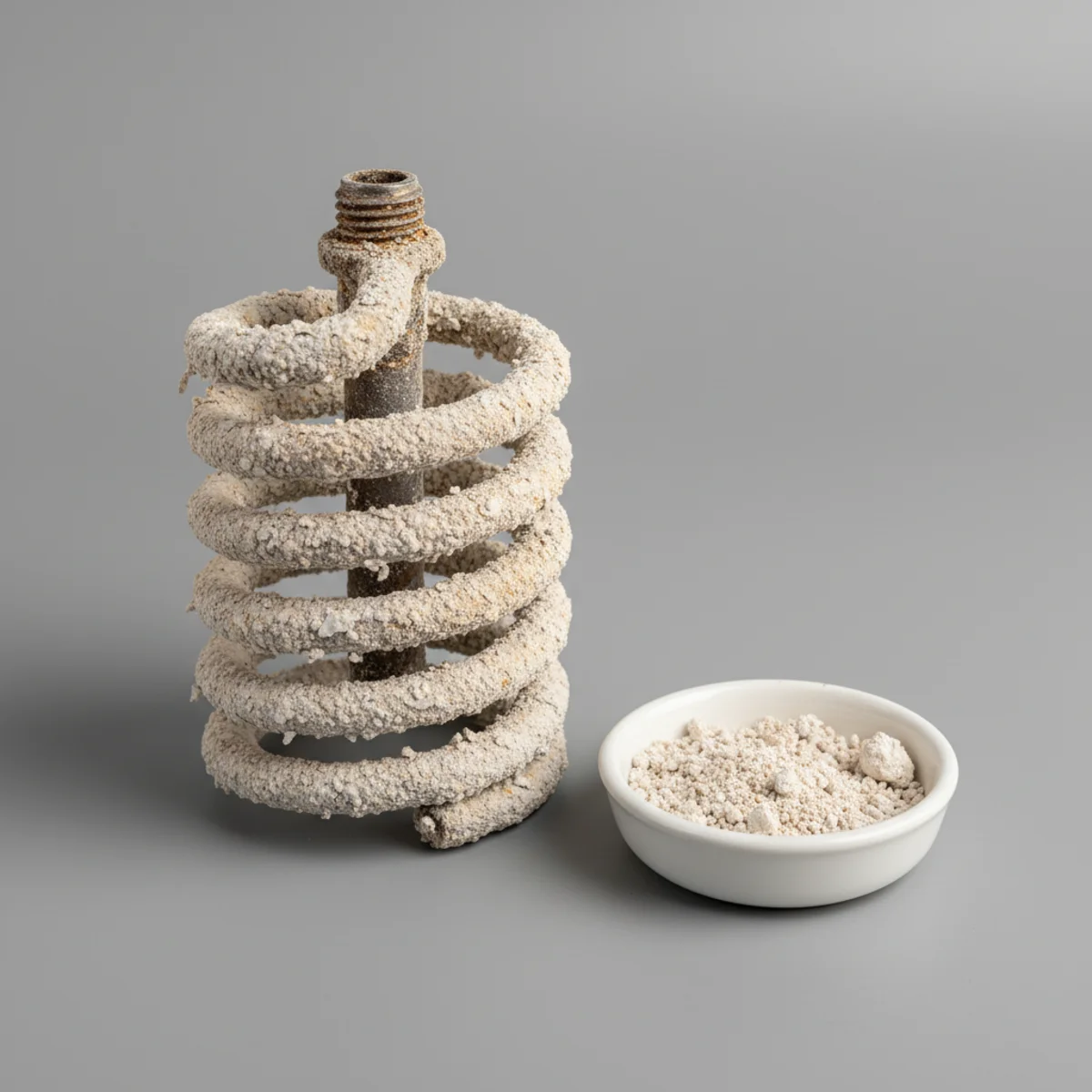
How Hard Water Wrecks Water Heaters (and What the Anode Rod Does)
Lebanon County tap water is loaded with calcium and magnesium. That mineral load quietly destroys water heaters from the inside out — unless you know what to do about it.
6 min read