How Long Do Water Heaters Last in Lebanon, PA?
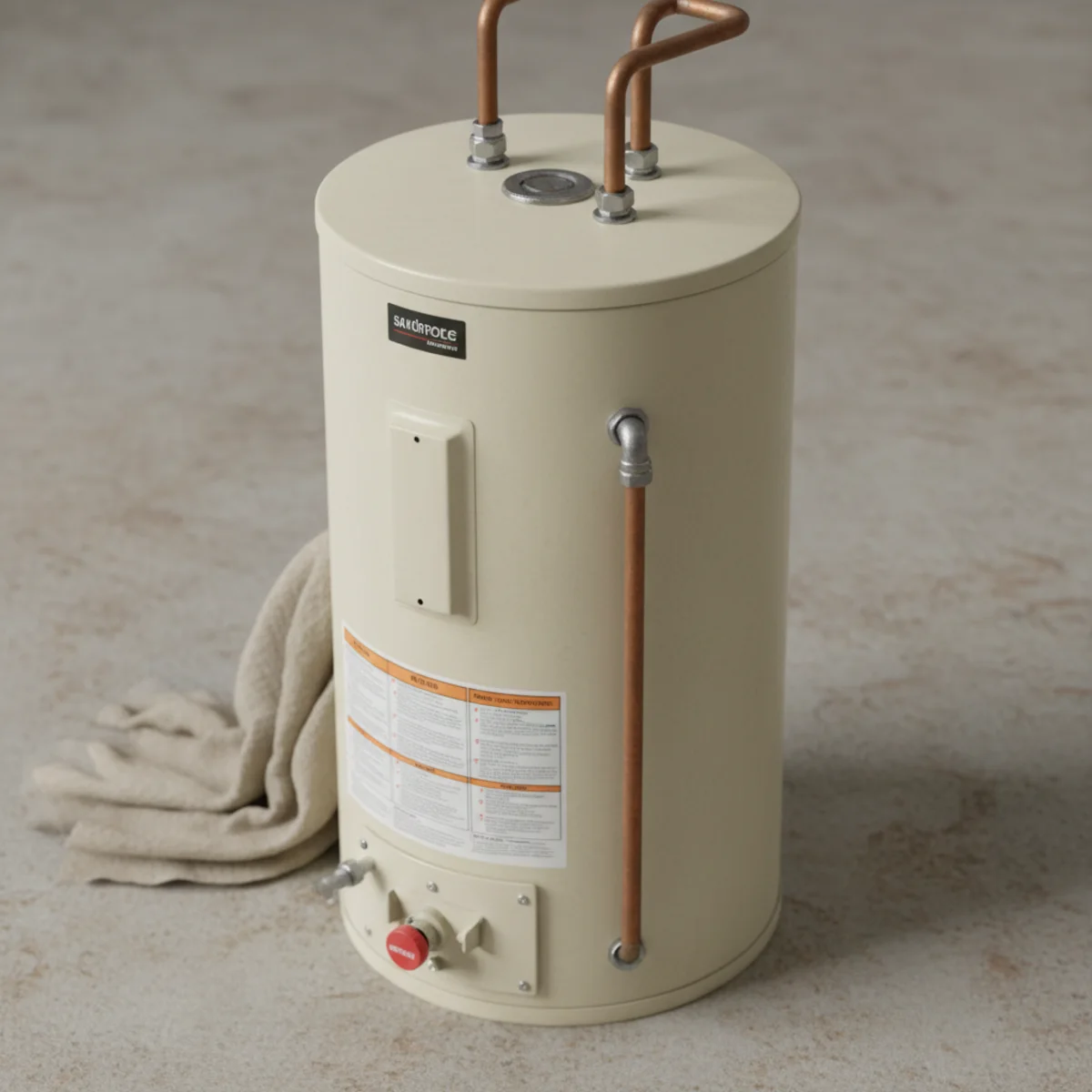
Your water heater works every single day—showers, dishes, laundry—without a word of complaint until the morning it doesn't. Knowing how long water heaters last isn't about being morbid about your appliance; it's about avoiding a cold surprise and a flooded utility room. In Lebanon, PA, the answer involves one local factor most guides skip: our hard water.
Typical Lifespan by Type
The short answer: plan for 8 to 12 years on a standard tank unit, and potentially 15 to 20 years on a properly maintained tankless. But those are national averages. Local water chemistry moves the needle in a real way.
- Conventional storage-tank (gas or electric): 8–12 years is the common range. Units with a solid anode rod and annual flushing sometimes reach 15, but that takes consistent maintenance.
- Tankless (on-demand) units: Manufacturers cite up to 20 years. Realistically, with Lebanon's mineral load, plan for 15–18 unless you have a water softener and flush the heat exchanger annually.
- Heat pump water heaters: Typically 10–15 years. The heat-pump components add complexity, but when maintained they hold up well.
- Point-of-use mini-tanks: Often 8–10 years. Small units, small sediment load—but they still age.
Why Lebanon's Hard Water Matters
Lebanon County water comes from both surface and groundwater sources and is consistently rated "hard" to "very hard"—meaning elevated calcium and magnesium levels. Every time your water heater heats that water, minerals drop out of solution and settle at the bottom of the tank. Over years, that layer of sediment does several things you don't want.
First, it insulates the burner or heating element from the water, forcing your unit to work harder and run longer to reach the set temperature. Your energy bills creep up. Second, the sediment layer traps moisture against the steel tank floor, accelerating corrosion from the inside out. Third—and you've probably heard this—it creates the popping and rumbling sounds that are the tank's way of telling you it's working overtime.
A unit that might hit 12 years in a soft-water region may realistically give you 8 or 9 years here without maintenance. That's not a scare tactic; it's the math of mineral buildup. Regular flushing is the single best thing you can do to reclaim those lost years. Our team covers exactly that in our water heater maintenance service.
How to Find Your Unit's Age
You don't need the original paperwork. The serial number on the data plate (usually on the upper portion of the tank) encodes the manufacture date. The format varies by brand, but most major manufacturers use the first two characters to indicate year and week or month of production. A quick search for your brand's serial number decoder will get you the answer in under two minutes.
What the age tells you
Under 6 years old: You're likely fine. Focus on maintenance—flush annually, inspect the anode rod every 2–3 years.
6–10 years old: Watch for early warning signs. Budget for replacement in the next few years and get a professional inspection if anything seems off.
10 years and older: Start planning now. At this age, a failure is more a question of when than if. Waiting for a catastrophic leak is the most expensive way to replace a water heater.
Signs the Clock Is Running Out
Age is one indicator, but your water heater often signals trouble before it quits entirely. Rust-colored hot water, a unit that takes noticeably longer to recover between uses, water pooling near the base, and strange noises under load are all signs worth taking seriously. If you're seeing more than one of these, don't wait for the floor drain to be the hero.
For a detailed breakdown of what to watch for, see our post on signs your water heater is going bad.
Extending the Life You Have Left
If your unit is mid-life and otherwise healthy, a few steps can add real years:
- Annual tank flush: Drains sediment before it hardens into a crust. Harder to flush once it's calcified.
- Anode rod inspection every 2–3 years: The anode rod is a sacrificial metal rod that corrodes so your tank doesn't. When it's depleted, the tank starts corroding instead. Replacing it is inexpensive and extends tank life meaningfully.
- Set temperature to 120°F: High temps accelerate mineral precipitation and stress the tank. 120°F is the sweet spot for safety and longevity.
- Insulate exposed pipes in unheated spaces: Lebanon winters get cold enough that pipes in an uninsulated basement or crawlspace can freeze. That stress works backward to your water heater.
- Consider a whole-house water softener: If hard water is your main concern, treating the water before it enters the heater addresses the root cause.
When Replacement Makes More Sense Than Repair
Once a tank unit is past 10 years and starts having problems, repair economics usually don't favor you. A new heating element or thermocouple on a 12-year-old tank buys you maybe a year or two before the next failure—and you've spent money that could have gone toward a new, more efficient unit. Our post on whether to repair or replace your water heater walks through the decision clearly so you're not guessing.
The one exception: if the unit is under 6 years old and the repair is a straightforward part swap, fixing it usually makes sense. Beyond that, the math shifts.
Plan Before It Fails
The households that come out ahead on water heater replacement are the ones that scheduled it rather than reacted to it. You get to pick the unit you want, shop prices without panic, and schedule installation at a convenient time—not during a weekend emergency call.
If your unit is getting up there in years, or if you're not sure how it's holding up in Lebanon's hard water, our local crew can take a look and give you an honest read. We provide upfront pricing before any work begins so you know exactly what you're looking at. Call us at (201) 277-9344 or schedule an appointment online through our water heater replacement page.
Related water heater services
Written by the team at Lebanon Water Heater Pros. This article is general information for Lebanon-area homeowners, not a substitute for an on-site diagnosis. For suspected gas leaks, leave the home and call your gas utility or 911 — do not attempt gas repairs yourself.
Good questions
Frequently Asked Questions
Keep reading
Related articles
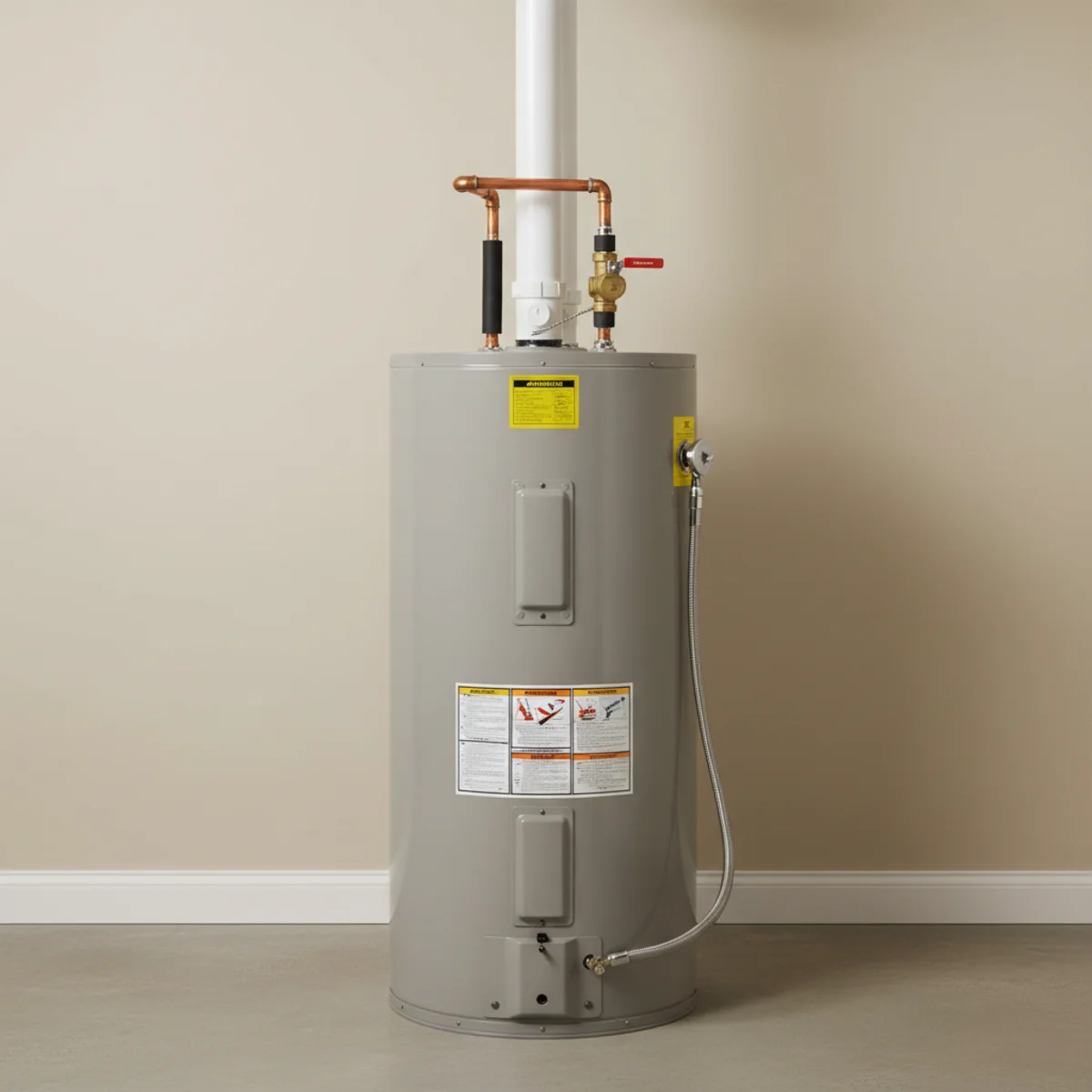
Repair or Replace Your Water Heater? How to Decide
Deciding whether to repair or replace your water heater comes down to age, repair cost, and what the unit has left in it. Here's a practical framework for making that call.
7 min read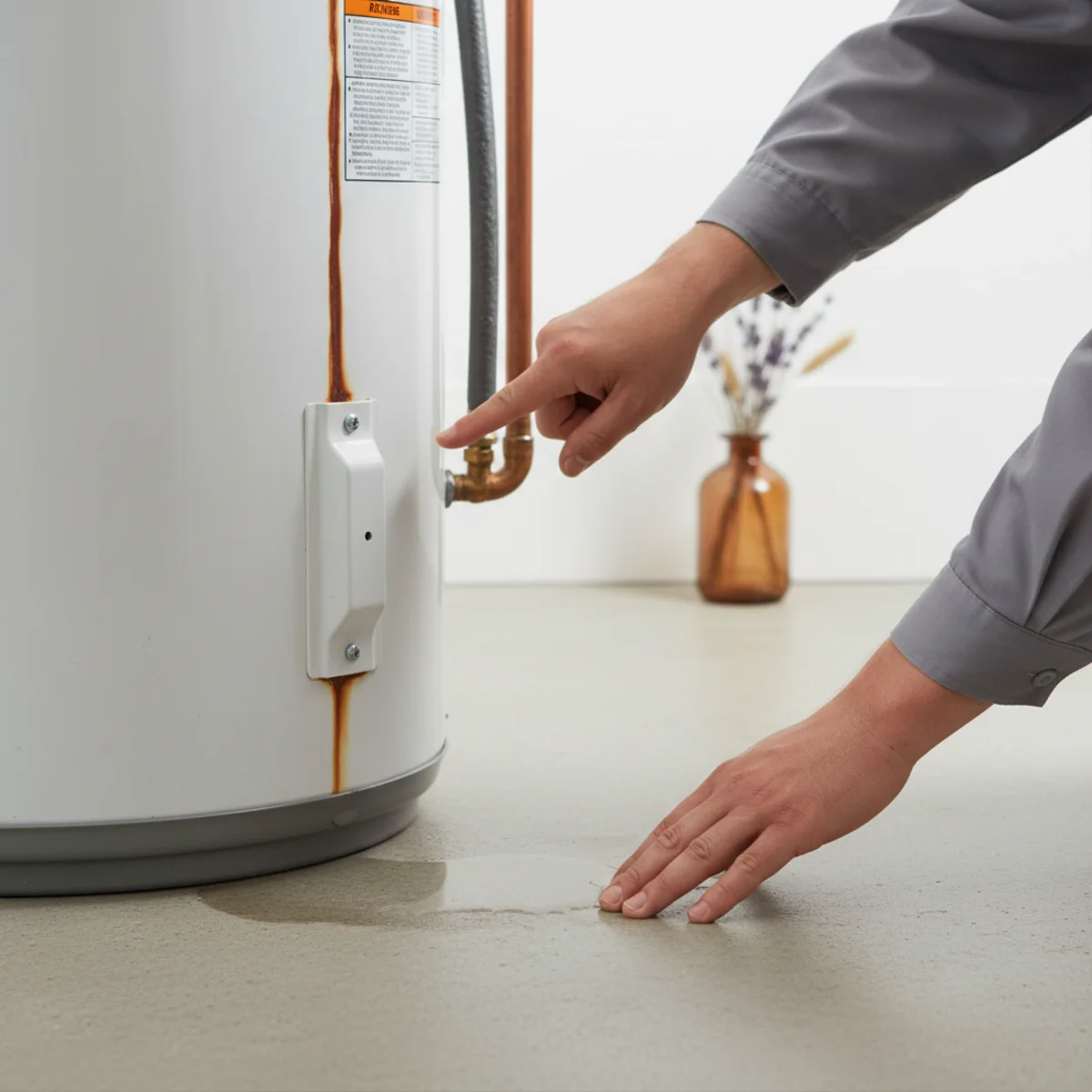
7 Signs Your Water Heater Is Going Bad
Catching the signs your water heater is going bad early is the difference between a planned replacement and a flooded utility room. These 7 warning signs are worth knowing.
7 min read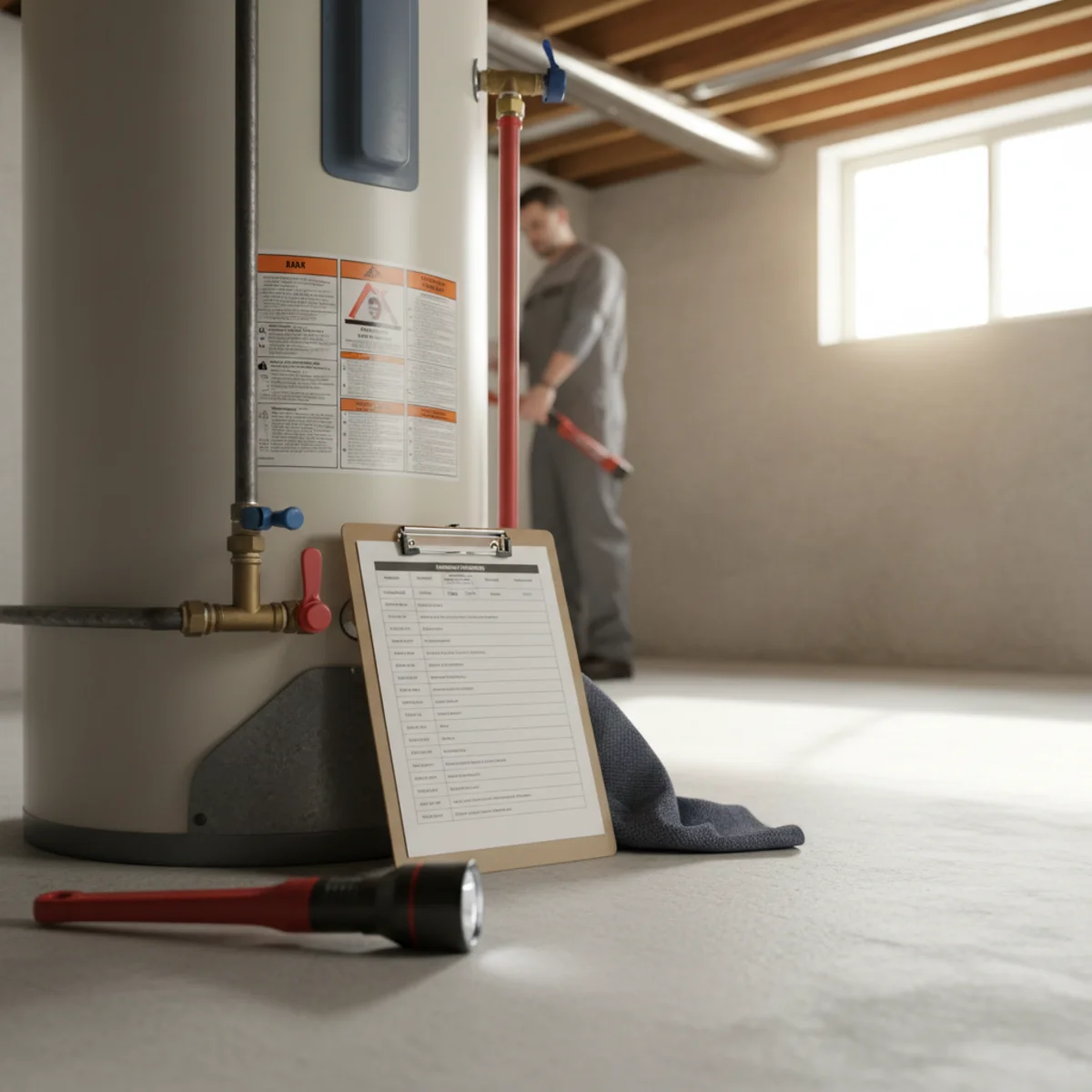
The Annual Water Heater Maintenance Checklist
Annual water heater maintenance takes less than an hour and can add years to your unit's life. This checklist covers every task worth doing—especially in Lebanon County's hard water.
7 min read