Why Does My Hot Water Smell Like Rotten Eggs?

Hot water that smells like rotten eggs has a specific cause: hydrogen sulfide gas, produced by a chemical reaction between sulfur compounds in your water and the sacrificial anode rod inside your tank. The good news is this is a fixable problem. The less-good news is that the fix depends on which exact scenario you're in, and treating the wrong cause wastes time and money.
Why Does Hot Water Smell and Not Cold Water?
If the sulfur smell appears only in hot water — not cold — the reaction is happening inside the water heater, not in the source water. The magnesium anode rod, which protects the tank from corrosion, reacts with sulfate-reducing bacteria or sulfate compounds in the water under heat. The warm, dark, low-oxygen environment inside a water heater tank is ideal for this reaction. Cold water bypasses the tank entirely, which is why it doesn't carry the smell.
If both hot and cold water smell, the sulfur is in your source water — common with certain private wells in Lebanon County and surrounding parts of Central PA. That's a different problem that points toward a whole-house water treatment approach rather than a water heater fix.
The Anode Rod Connection
Magnesium anode rods are the most common cause of the rotten-egg smell in hot water. The reaction between magnesium and sulfate compounds in the water produces hydrogen sulfide. Swapping the magnesium rod for an aluminum/zinc alloy anode rod is often the first step in addressing this — zinc impedes the sulfur-producing reaction significantly.
This is not a reason to remove the anode rod entirely. Some homeowners read online that removing the rod stops the smell, and it often does temporarily. But without an anode rod, the tank itself corrodes rapidly. In Lebanon County's hard water, an unprotected tank can develop internal rust damage within a couple of years of removing the rod, turning a smell problem into a replacement-timeline problem. Always replace with a compatible anode rather than leaving the port empty.
Bacteria in the Tank: The Other Common Cause
Sulfate-reducing bacteria can colonize a water heater tank, particularly in tanks set to lower temperatures (below 120 degrees Fahrenheit) or tanks that have sat unused for an extended period. These bacteria consume sulfate compounds and produce hydrogen sulfide as a byproduct.
Raising the water temperature to 140 degrees Fahrenheit for a few hours can kill most bacteria, but this comes with an important safety note: water at 140 degrees can cause scalding in seconds. If children or elderly people use the hot water in the home, a mixing valve or tempering valve at fixtures is necessary before running the tank that hot. After the treatment flush, the thermostat should return to 120 degrees for normal operation.
Flushing the tank completely after a heat treatment helps flush out dead bacteria and any accumulated sediment. A professional flush service handles this correctly and safely.
Well Water and Sulfur: A Lebanon County Reality
Many properties outside Lebanon city proper rely on private well water. Some well water in this region carries naturally occurring sulfur compounds or iron bacteria that make the rotten-egg smell worse and return faster even after water heater treatment. If your smell comes back quickly after addressing the anode rod and running a flush, the well water itself may be the underlying driver.
In that case, a water softener or iron-reduction filter upstream of the water heater reduces the sulfate load and can dramatically extend how long the tank stays odor-free. Our water softener service covers assessment and installation for exactly this situation.
What About Softened Water and Anode Rods?
Homes that already have a water softener sometimes experience worse rotten-egg odor, not better. Softened water is more chemically aggressive toward the anode rod, which means the magnesium depletes faster and the smell-producing reaction intensifies. If your home has a softener and the hot water smells, an aluminum/zinc rod swap is the most direct fix. Annual water heater maintenance should include an anode rod check — in softened-water households, the rod may need inspection every two to three years rather than the usual four to five.
When to Call a Professional
Anode rod replacement, tank flushing, and thermostat adjustment are manageable for experienced DIYers, but a few situations call for professional hands. If the smell is accompanied by any odor from your gas line or appliance connections, stop and call your gas utility immediately — rotten-egg smell associated with a gas appliance may indicate a gas leak, which is an emergency. Leave the building, call the gas company or 911, and do not attempt to diagnose it yourself. Gas leak investigation is never a DIY task.
For the more common water-chemistry version of the rotten-egg smell, a professional can confirm the source, swap the correct anode rod, flush the tank thoroughly, and check for any underlying water quality issue driving the problem.
Tired of the Smell? Let's Fix It.
Hot water that smells like rotten eggs is fixable in most cases, and often for far less than homeowners expect. Call (201) 277-9344 or schedule a water heater inspection and flush online. We'll identify what's causing it, give you an upfront price before any work begins, and get your hot water smelling the way it should.
Related water heater services
Written by the team at Lebanon Water Heater Pros. This article is general information for Lebanon-area homeowners, not a substitute for an on-site diagnosis. For suspected gas leaks, leave the home and call your gas utility or 911 — do not attempt gas repairs yourself.
Good questions
Frequently Asked Questions
Keep reading
Related articles
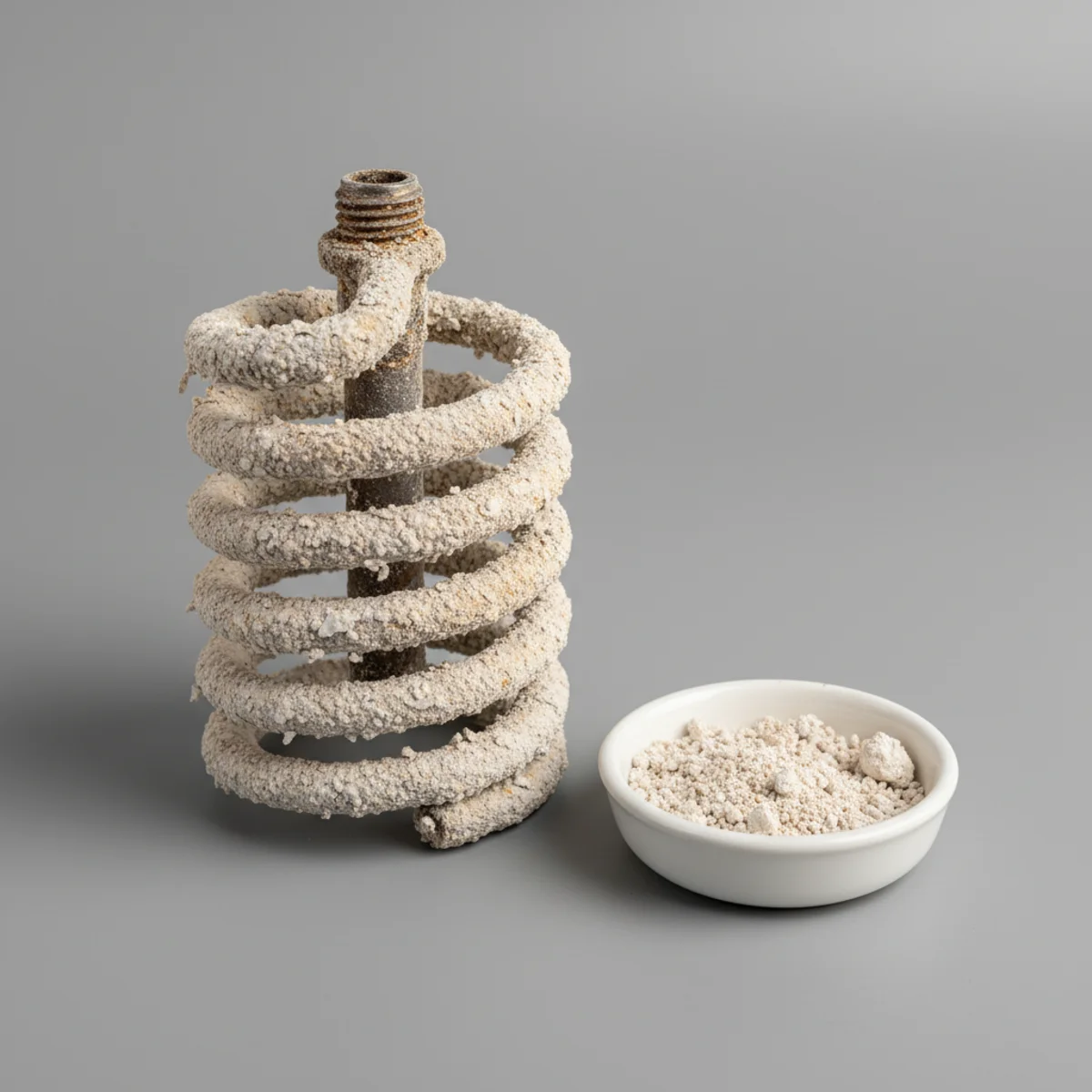
How Hard Water Wrecks Water Heaters (and What the Anode Rod Does)
Lebanon County tap water is loaded with calcium and magnesium. That mineral load quietly destroys water heaters from the inside out — unless you know what to do about it.
6 min read
Why Is My Hot Water Rusty or Discolored?
Rust-colored hot water is more than a nuisance -- it signals that something is corroding in your water supply system. Here is where to start looking and what to do.
5 min read