Water Heater Services
Hot Water Heater Repair in Lebanon, PA
“Hot water heater” or just “water heater” — it's the same appliance, and we repair it fast. Gas or electric, we find the real fault and give you honest options.
- Licensed & insured service approach
- Same-day service available
- Tank & tankless experts
- Upfront options before work begins
- Local Lebanon County service
- Emergency water heater help
People search for "hot water heater repair" all the time, and there's nothing wrong with that — it's what most people call the appliance. Technically, heating water that's already hot is redundant, which is why plumbers shorten it to "water heater." But the device is the same either way, and when yours stops working, the name on the search bar isn't what matters. Getting it fixed fast is what matters.
If you woke up to a cold shower in Lebanon this morning, or your tank started making noises you've never heard before, you've already found the right place. We repair the hot water heater — gas or electric, tank or tankless — that provides the water your household depends on. We check the real cause first, because the same symptom (no hot water) can come from a dead element, a failed thermostat, a tripped breaker, a bad thermocouple, or a sediment-packed tank. Guessing costs you money. Diagnosing saves it.
We give you an upfront, typical estimated range before any work begins, and we tell you honestly if a repair makes sense or if the unit is too far gone to justify the cost. For heavier repairs or a full swap, see our main water heater repair page or our water heater replacement page.
What we cover
- No hot water diagnosis on gas and electric units
- Heating element testing and replacement
- Upper and lower thermostat diagnosis and replacement
- Pilot light and thermocouple repair
- Gas valve inspection and replacement
- Tripped breaker and reset-button issues
- Sediment-related slow recovery and noise
- T&P valve testing and replacement
- Anode rod inspection
- Dip tube failure diagnosis
- Honest repair-vs-replace assessment
What people mean when they say the hot water heater is broken
Most repair calls fall into a handful of categories: the water is completely cold, it's lukewarm but not hot, it runs out much faster than it used to, it's making rumbling or popping sounds, or water is showing up around the base. Each of those points toward different components, and getting the diagnosis right the first time is the difference between a $200 repair and an unnecessary $1,000 job.
On a gas unit, "no hot water" usually means a pilot that won't stay lit, a failed thermocouple, or a faulty gas valve — though a completely dead burner or a sediment-packed tank will do it too. On an electric unit, the most common culprits are a burned-out heating element or a stuck thermostat. Sometimes it's as simple as a tripped breaker. We test before we replace anything.
Gas hot water heater faults: what we look for
A gas water heater has more moving parts than people expect. The thermocouple sits right next to the pilot flame; when it fails, it signals the gas valve to shut off the gas — which is a safety feature, not a flaw. Replacing a thermocouple is usually a straightforward repair. A bad gas valve is more involved and more expensive, which is why we confirm the diagnosis before quoting the work.
Venting is the safety issue most homeowners don't think about until something goes wrong. A blocked or deteriorating vent flue can let combustion gases back into the home. If your gas hot water heater is in a basement or utility closet in one of Lebanon's older stone-foundation homes, we check the venting while we're there. Safety issues don't get deferred.
One firm warning: if you smell gas near the unit, don't try to diagnose it yourself. Leave the home, don't flip any switches, and call the gas utility or 911. Gas leaks are not a DIY situation under any circumstances.
Electric hot water heater faults: testing the right component
Most electric water heaters have two heating elements — an upper and a lower — each with its own thermostat. When the upper element fails, you get some hot water but it runs out fast. When the lower element fails, you often get lukewarm water at best. We test both before recommending which to replace.
Thermostats on electric units fail in two ways: they either stop calling for heat (you get cold water) or they stick in the "on" position (the unit overheats and the high-limit switch trips). If your unit's reset button keeps tripping, that's often a stuck thermostat or a failing element — not a problem that goes away on its own. We trace it to the actual faulty component so you're not buying parts you don't need.
When repair stops making sense
Not every hot water heater repair is worth doing. If the unit is 12 or more years old, has corroded fittings, shows significant rust at the base, or needs a repair that costs more than half of a replacement, we'll tell you. We'd rather have that honest conversation now than come back in six months for another expensive fix on the same failing unit.
Our main water heater repair page covers the full range of repair work. If replacement is the smarter call, our water heater replacement team handles proper sizing, removal of the old unit, and a code-compliant install — with upfront pricing before we start.
Honest guidance
Repair or Replace? We'll Tell You Straight
We inspect the unit and explain your options with typical, estimated ranges — never a pressure pitch — before any work begins.
Repair may be best when…
- The unit is relatively new (under 8 years old).
- A single part failed — thermostat, element, or igniter.
- The pilot, thermocouple, or gas valve needs service.
- There's a minor leak at a fitting or valve, not the tank.
- The T&P valve or anode rod needs replacing.
- The problem is isolated and the tank is otherwise sound.
Replacement may be best when…
- The tank itself is leaking from the body or base.
- The unit is 8–12+ years old and past its expected life.
- You've had repeated breakdowns and repair bills.
- You're getting rusty or discolored hot water.
- Recovery is slow and you run out of hot water quickly.
- Energy bills keep climbing from a failing, sediment-filled tank.
Local & dependable
Built for Lebanon County homes
Lebanon County's water is hard — typically in the moderately-hard to very-hard range depending on where your supply comes from — and that sediment load is rough on water heaters. Homes in Annville, Myerstown, and along the rural routes toward Jonestown and Schaefferstown often pull from well water, which can carry even higher mineral content. That sediment layers up on the bottom of the tank over years, making the burner or elements work harder and shortening the life of the unit. When a Lebanon homeowner calls about a rumbling, slow-recovering hot water heater, sediment buildup is often part of the answer. We factor local water conditions into every diagnosis.
Simple & transparent
What to Expect on a Service Visit
No mystery, no runaround — here's exactly how a visit works, from your first call to clean hot water.
- 1
Call or request service
Tell us what your water heater is doing — no hot water, a leak, strange noises — and we set up a same-day or scheduled visit.
- 2
Inspect the unit & connections
We check the tank, burner or elements, thermostat, valves, venting, and the surrounding plumbing for the real cause.
- 3
Diagnose & explain options
You get a straight diagnosis and clear repair-or-replace options with upfront pricing before any work begins.
- 4
Complete the approved work
Once you choose, we complete the repair or installation cleanly, to code, with quality parts.
- 5
Test, clean up & advise
We confirm hot water is back, clean the work area, and share simple maintenance tips for our local water.
No surprises
Honest, Upfront Pricing — No Hidden Fees
The number we give you before we start is the number you pay. No mystery trip charges, no estimate that balloons on the invoice, and no pressure to replace a unit that can be fixed.
Upfront price, every time
You get a clear price before any work begins — never a vague “we'll see when we get there.”
No surprise trip fees
What we quote is what you pay. No mystery charges quietly added to the final invoice.
Honest repair-or-replace advice
If a fix makes more sense than a replacement, we say so. We don't upsell a tank that has good years left.
No-pressure recommendations
We lay out your options with typical, estimated ranges, then let you decide on your own timeline.
Why us
Why Homeowners Choose Lebanon Water Heater Pros
Genuinely local
We focus on Lebanon and the surrounding county, so we know the older basements, the hard water, and the cold-snap failures firsthand.
Fast response
No hot water is an emergency. We prioritize same-day appointments and clear arrival windows instead of vague all-day waits.
Licensed & insured approach
Work is handled by licensed, insured local pros who follow Pennsylvania code — and we tell you straight when a permit is involved.
Clear communication
You hear what's wrong, what your options are, and what each one costs before anyone picks up a wrench.
Upfront options
Repair or replace, tank or tankless — we lay out the honest trade-offs so you decide, with no pressure.
Respect for your home
Drop cloths, clean shoes, and a tidy work area. We leave your utility room better than we found it.
Smell Gas? Safety Comes Before Service
Gas water heaters are safe when they're set up and maintained right — but a suspected gas leak is an emergency, not a repair call. If you smell rotten eggs or sulfur near a gas appliance, act first and call us second.
We never ask you to troubleshoot a gas leak yourself. Once your gas utility has made the area safe, we handle the burner, thermocouple, gas control valve, flue, and venting — carefully, with combustion and carbon-monoxide safety in mind.
If you suspect a gas leak
- 1Don't flip switches, light a flame, or use anything that could create a spark.
- 2Get everyone out of the house and leave the door open behind you.
- 3From outside, call your gas utility's emergency line or 911.
- 4Don't go back inside or try to find or fix the leak yourself.
- 5Once the utility makes the area safe, call us to inspect and repair the unit.
Related services
More ways we can help
Water Heater Repair
Fast diagnosis and repair for gas and electric units — no hot water, leaks, noises, and pilot problems.
Learn moreLeak Repair
Tank vs. fitting leak diagnosis, shut-off guidance, and a clear path to repair or replacement.
Learn moreElectric Water Heaters
Heating elements, thermostats, breakers, wiring, and reset-button issues, diagnosed and fixed.
Learn moreGas Water Heaters
Pilot, burner, thermocouple, gas valve, and venting service with a safety-first approach.
Learn moreWater Heater Replacement
Code-compliant replacement with old-unit removal, correct sizing, and clean connections.
Learn moreService areas
Hot Water Heater Repair near you
We serve Lebanon and the surrounding communities. Find your town or just give us a call.
Get started
Request service
Tell us what's going on and we'll reach out to confirm a time.
Good questions
Hot Water Heater Repair FAQs
From our blog
Helpful Water Heater Guides
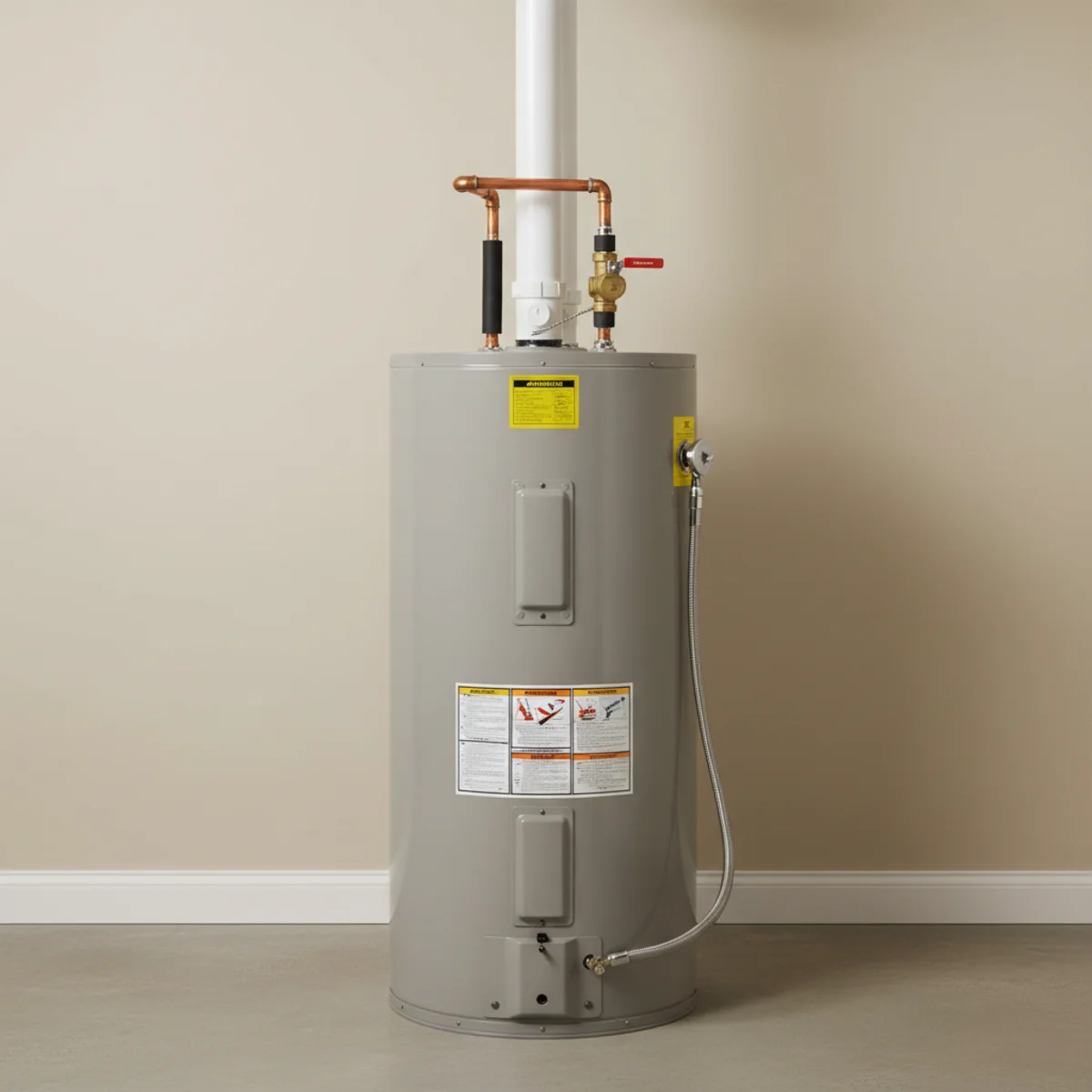
Repair or Replace Your Water Heater? How to Decide
Deciding whether to repair or replace your water heater comes down to age, repair cost, and what the unit has left in it. Here's a practical framework for making that call.
7 min read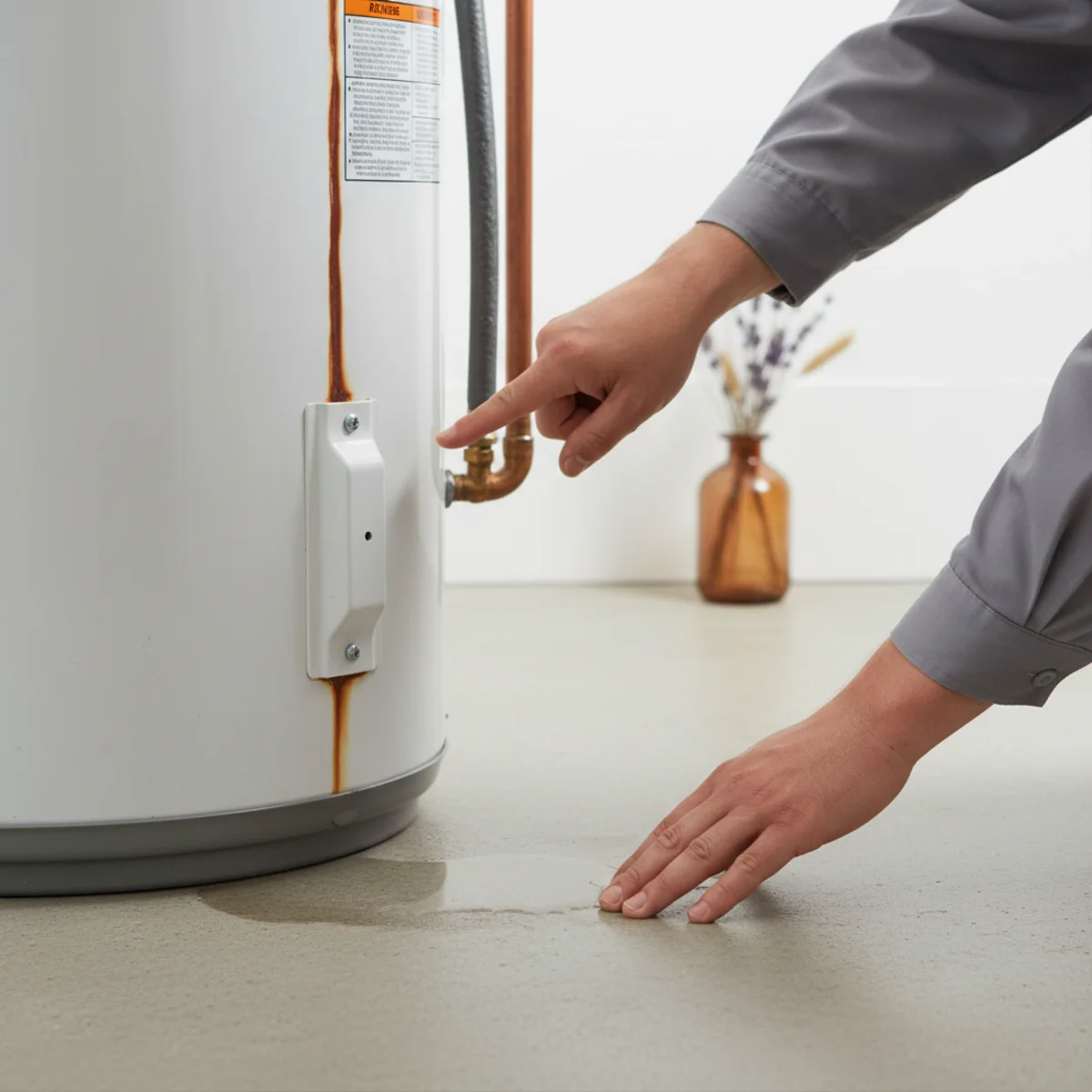
7 Signs Your Water Heater Is Going Bad
Catching the signs your water heater is going bad early is the difference between a planned replacement and a flooded utility room. These 7 warning signs are worth knowing.
7 min read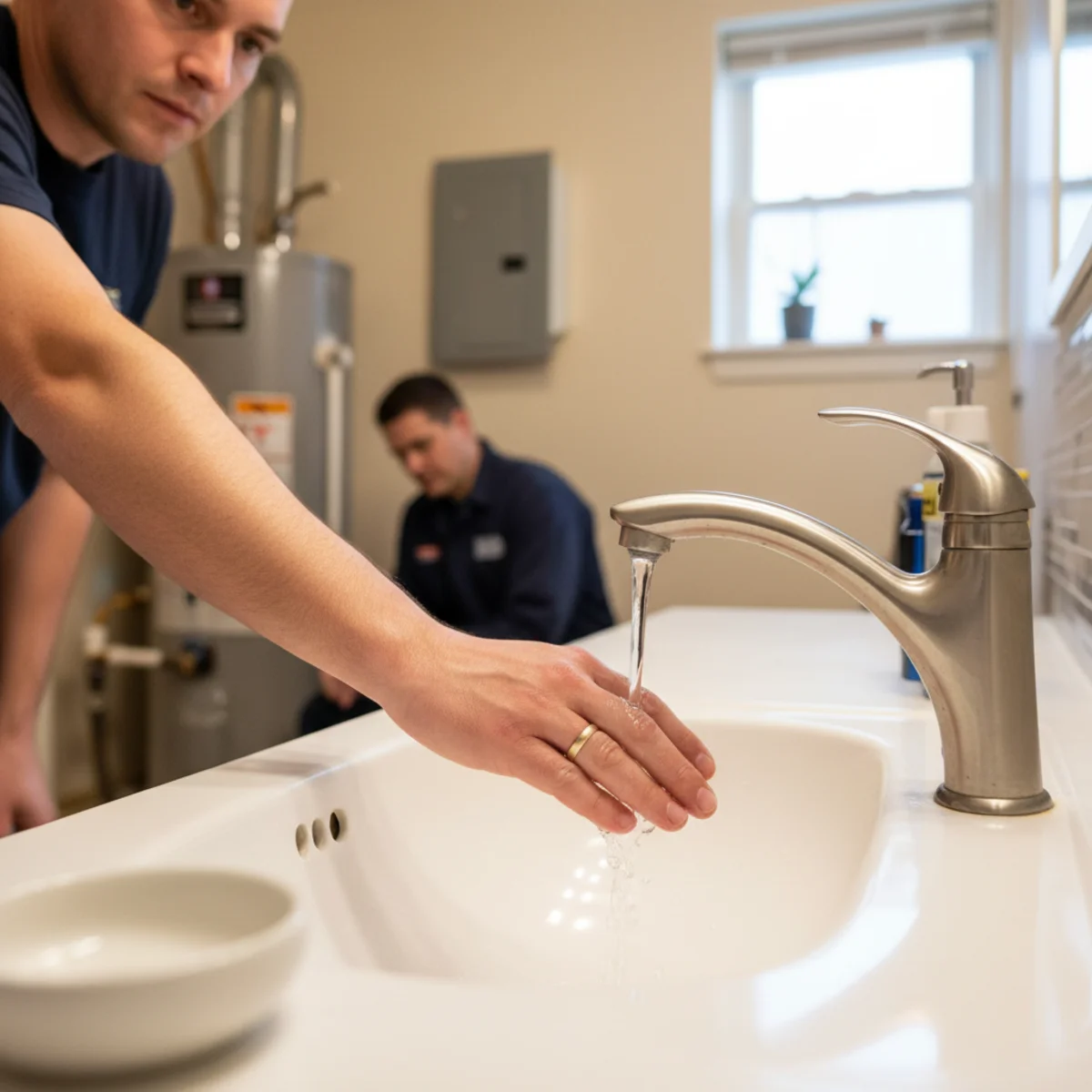
No Hot Water? A Step-by-Step Troubleshooting Guide
No hot water is one of the most frustrating household problems—but it has a short list of causes. Work through this guide to find yours and know what to do next.
7 min readCall now for water heater service in Lebanon, PA
Repair, replacement, installation, or tankless — talk to a local crew that knows Lebanon County homes and hard water.
Same-day appointments available • Emergency water heater help