Water Heater Expansion Tanks, Explained
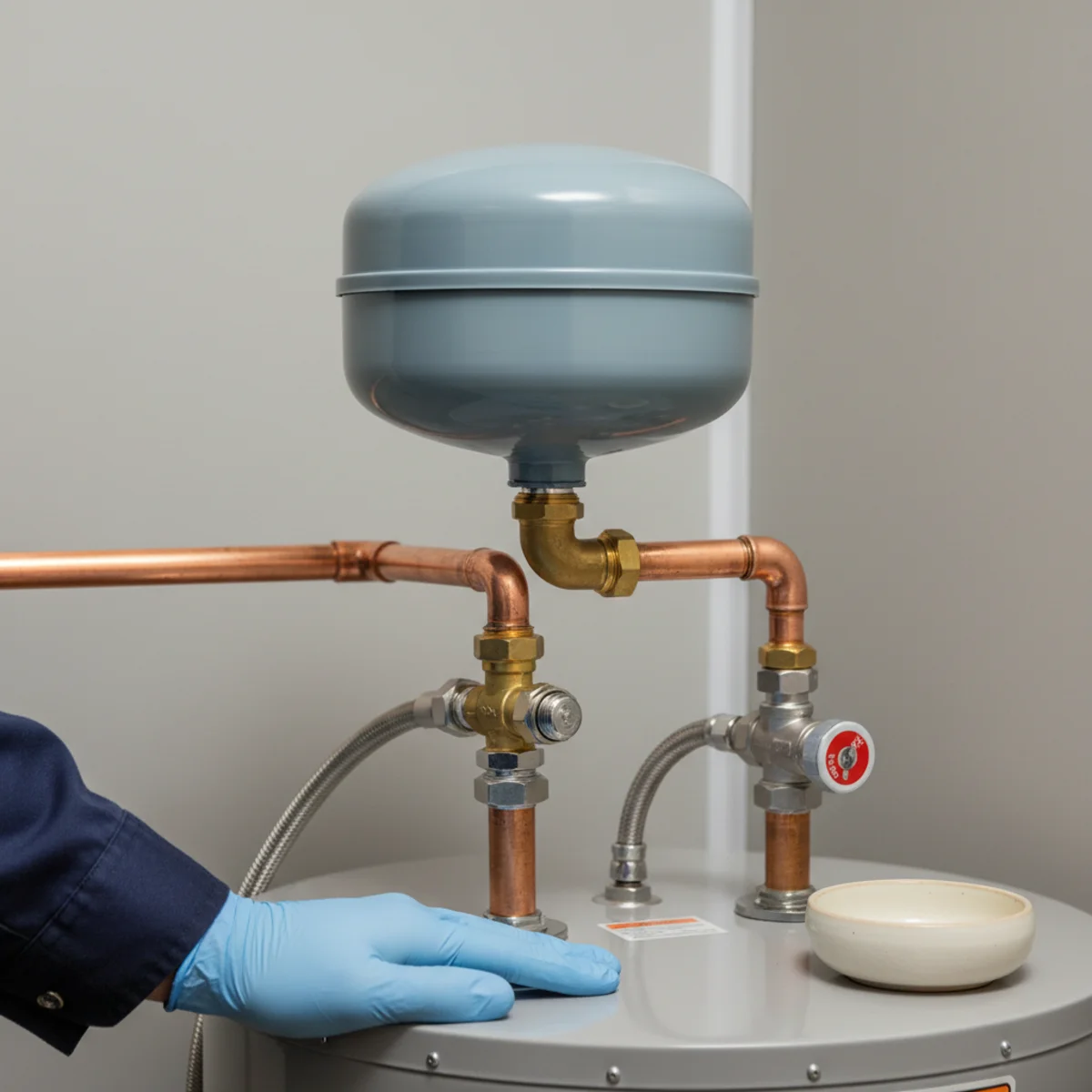
Most homeowners have seen the small blue or silver tank mounted near their water heater and never given it a second thought. That is a thermal expansion tank, and it is doing quiet, important work every time your water heater fires up. If you don't have one and your home is on a closed water system, you may be shortening the life of your water heater and straining your plumbing — without knowing it.
What Thermal Expansion Is and Why It Matters
Water expands when it heats up. A 50-gallon tank of cold water becomes roughly 50.3 gallons once fully heated to 120 degrees Fahrenheit. That extra volume has to go somewhere. In an open system — older homes with no backflow prevention on the water main — the extra pressure simply pushes back into the municipal supply. In a closed system, it can't. The pressure builds inside your plumbing.
Repeated pressure spikes stress the water heater's tank lining, attack the T&P relief valve (causing it to weep or discharge), and wear down fixture washers and supply lines throughout the house. A thermal expansion tank absorbs that pressure spike by accepting the expanded water volume into its air bladder, then releasing it back into the system once demand drops. It is a buffer, and it takes the abuse so your heater and fixtures don't have to.
Do You Have a Closed Water System?
Closed systems have become the standard in Lebanon County and across Pennsylvania over the past couple of decades, because most water systems now require a backflow preventer or check valve at the meter to protect municipal water quality. If your home was built or replumbed after roughly 2002, there's a good chance you have a closed system. Signs include:
- A check valve or pressure-reducing valve (PRV) on the water main near your meter.
- Your water pressure doesn't fluctuate with municipal supply changes the way it would on a fully open system.
- Your T&P valve has discharged water even when the heater isn't overheating — a common symptom of unaddressed thermal expansion pressure.
The only reliable way to confirm a closed system is to test it or have a plumber confirm during service. When we perform a water heater installation, we check for this as part of the job — it directly affects code compliance and the longevity of the new unit.
When Is an Expansion Tank Required by Code?
The Pennsylvania Uniform Construction Code, following the Uniform Plumbing Code, requires a thermal expansion tank whenever a backflow prevention device creates a closed system on the potable water supply. Practically, this means any home with a check valve or PRV at the meter needs one when a new water heater is installed. Skipping it isn't just a bad idea — it's a code violation that can affect inspections and insurance claims.
Some older homes without these devices may still benefit from an expansion tank, particularly if the T&P valve discharges occasionally or if pressure-related issues have appeared. It's an inexpensive addition compared to replacing a prematurely failed heater.
How Big Does the Expansion Tank Need to Be?
Expansion tanks are sized based on the volume of the water heater, the incoming water pressure, and the system pressure setting. A 2-gallon expansion tank is typically sufficient for a 40-50 gallon water heater at normal residential pressures (60-80 psi). Larger tanks or higher pressures call for a larger expansion tank. Oversizing is not harmful, but undersizing defeats the purpose.
The pre-charge pressure on the expansion tank's air bladder must also match your static water supply pressure. If it doesn't, the bladder doesn't function correctly. This is a step that requires a pressure gauge and is easy to get wrong without experience.
How Long Do Expansion Tanks Last?
Thermal expansion tanks typically last 5 to 10 years. The rubber air bladder inside eventually hardens, loses elasticity, or develops a slow leak. A failed expansion tank either waterlogged (no air cushion) or fails to absorb pressure at all. Signs of failure include the T&P valve dripping, fluctuating water pressure in the home, or a tank that sounds full of water when you knock on it (it should sound hollow in the air section).
When a water heater is replaced, replacing an aging expansion tank at the same time makes sense — you're already doing the work, and a 7-year-old bladder tank has served most of its useful life. It's far cheaper to swap it proactively than to deal with T&P valve replacement and heater stress damage later.
What Happens If You Skip the Expansion Tank?
On a closed system without an expansion tank, every heating cycle pressurizes the system. Over time, this causes the T&P valve to weep or fully open — which means hot water draining to the floor, a valve that may not reseat properly, and a safety device being used as a pressure relief instead of an emergency backup. It also shortens tank life, stresses solder joints and supply lines, and can shorten the lifespan of appliances connected to the water supply. This is an expansion tank installation that pays for itself in avoided damage.
Questions About Your Expansion Tank?
Whether you need a new expansion tank installed alongside a water heater replacement, a check on your existing one, or just a straight answer about whether your system requires one, call (201) 277-9344 or schedule expansion tank service online. Upfront price before any work begins, every time.
Related water heater services
Written by the team at Lebanon Water Heater Pros. This article is general information for Lebanon-area homeowners, not a substitute for an on-site diagnosis. For suspected gas leaks, leave the home and call your gas utility or 911 — do not attempt gas repairs yourself.
Good questions
Frequently Asked Questions
Keep reading
Related articles
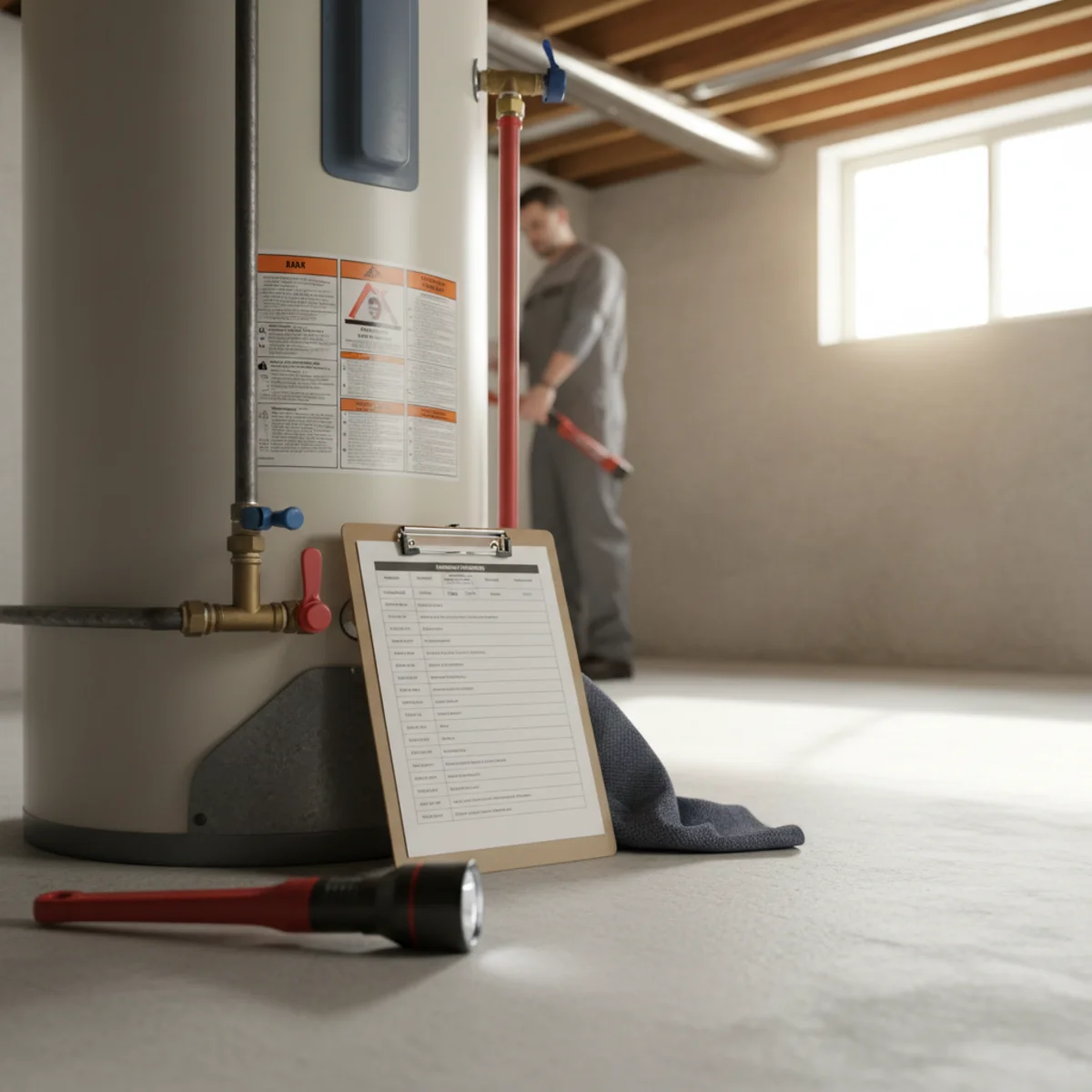
The Annual Water Heater Maintenance Checklist
Annual water heater maintenance takes less than an hour and can add years to your unit's life. This checklist covers every task worth doing—especially in Lebanon County's hard water.
7 min read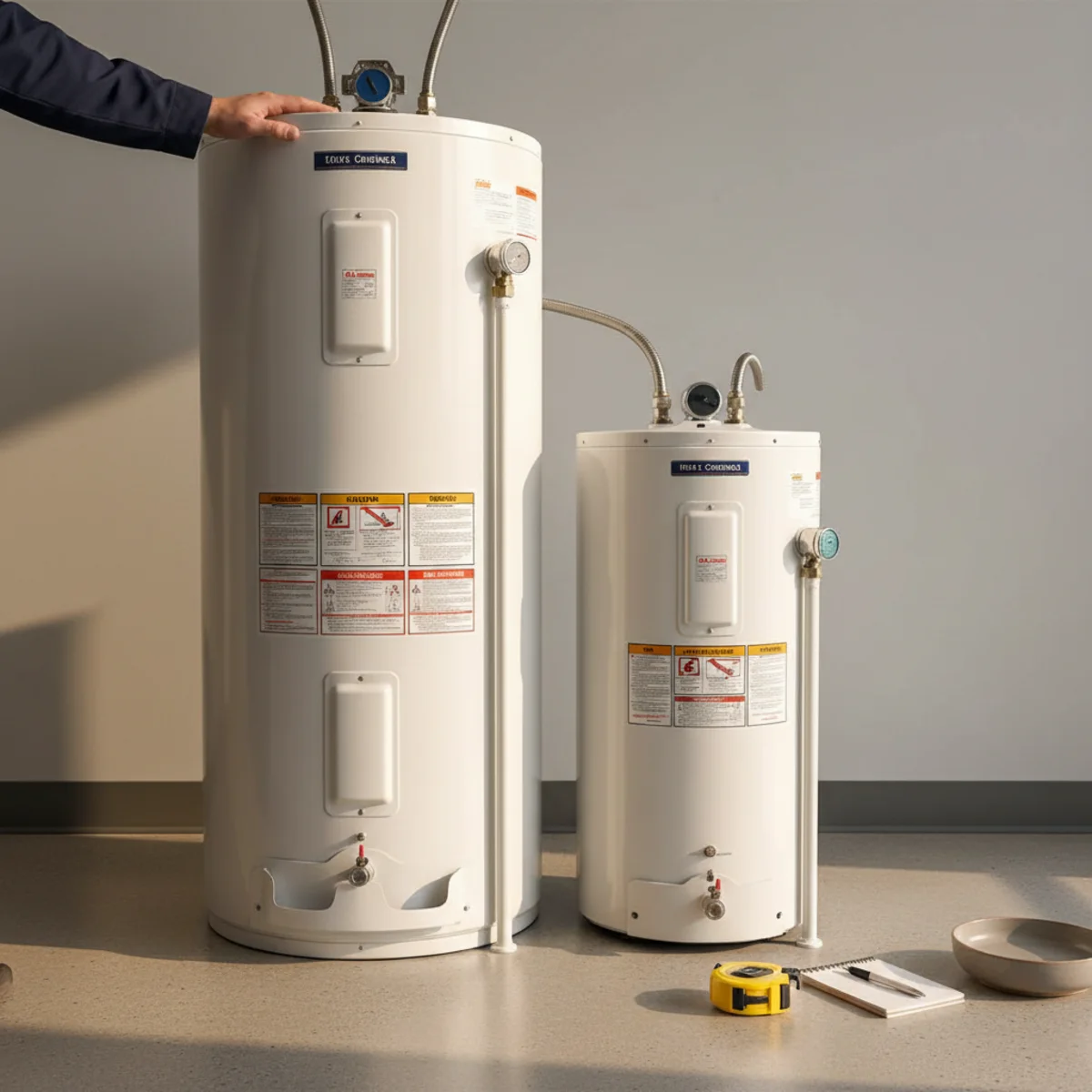
What Size Water Heater Do I Need? A Simple Sizing Guide
A water heater that's too small leaves people cold. One that's too large wastes energy every single day for years. Getting the size right is the most important decision in the buying process.
6 min read