When to Upgrade to a Tankless Water Heater
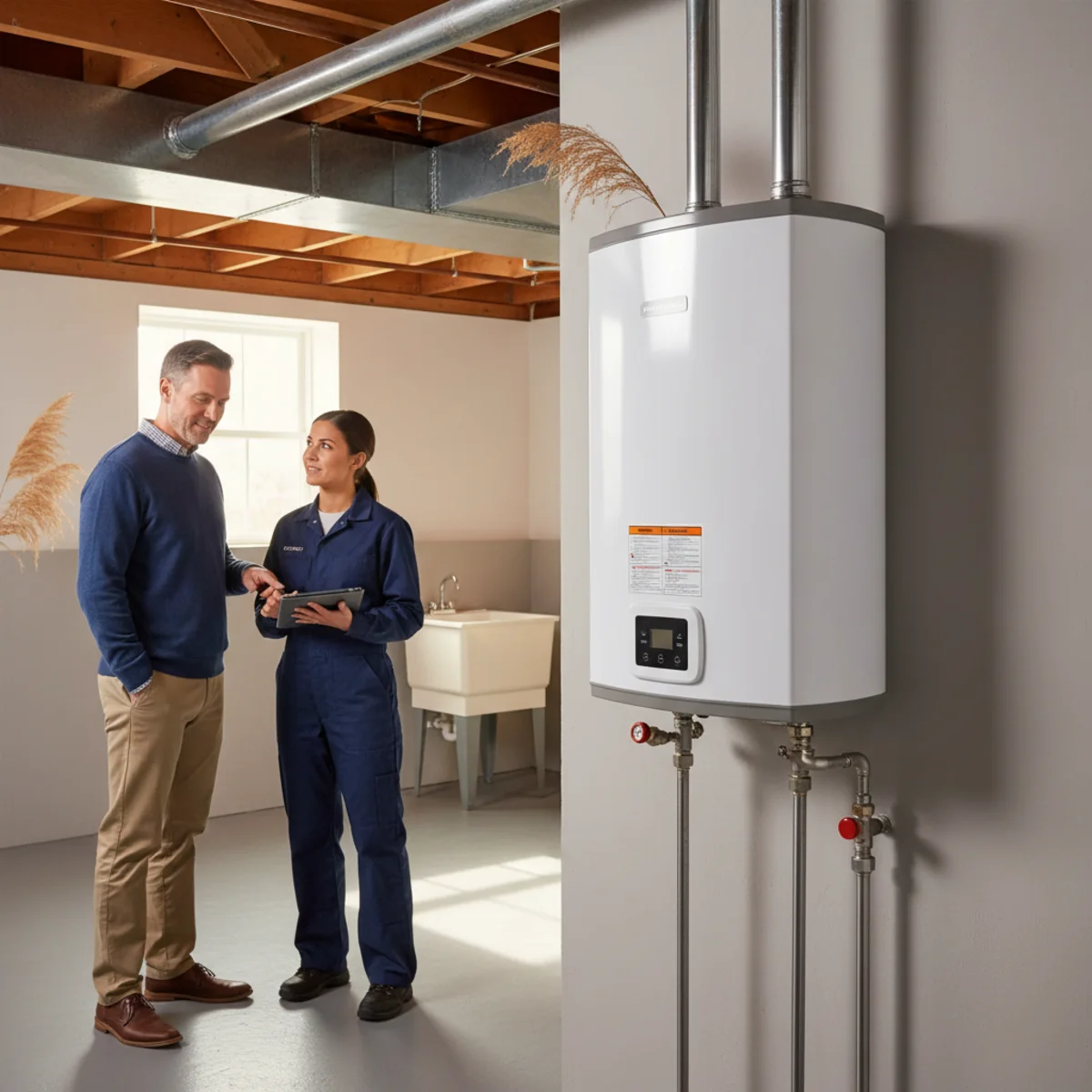
The question comes up regularly in Lebanon and the surrounding Central PA area: "Should I replace my water heater with tankless?" It's a fair question, and the honest answer is — it depends. Tankless water heaters deliver real, measurable benefits in certain households. In others, the higher upfront cost and ongoing maintenance demands make a well-chosen tank water heater the better investment. Here is how to tell which side of that line your home sits on.
What Tankless Actually Does (and Doesn't Do)
A tankless unit heats water on demand — cold water flows through a heat exchanger, exits hot, and the burner or element shuts off when you close the tap. There is no stored tank of water slowly losing heat around the clock. That "standby loss" accounts for a real share of your water heating costs with a conventional tank.
What tankless does not do is produce unlimited simultaneous hot water at full temperature for every fixture at once. A single whole-house unit has a flow rate limit — typically expressed in gallons per minute. Run the shower, the dishwasher, and a bathroom sink at the same time, and you may notice temperature drop. This matters more in large households than small ones.
Signs the Timing Is Right to Replace Water Heater With Tankless
Not every water heater situation calls for a tankless upgrade, but the following circumstances line up well:
- Your current tank is near end-of-life anyway: If your conventional tank is 10-plus years old and needs replacement, the incremental cost of going tankless is lower than it would be mid-tank-life. You're spending money regardless — the question is which direction to go.
- You have the gas line capacity: Most gas tankless units require a larger gas supply line than a conventional tank. If your current gas line is already sized for a high-demand appliance, this is less of an obstacle. If not, add the gas line upgrade to your cost estimate.
- You plan to stay in the home long-term: Tankless units have a longer potential lifespan than conventional tanks — often 15 to 20 years with proper maintenance. If you are planning to sell in two years, the payback period doesn't work in your favor.
- Your household has two adults, not five: Smaller households see the most consistent benefit from tankless. Demand peaks are lower, and the flow rate limitation matters less.
- You have space constraints: Tankless units mount on the wall and free up significant floor space compared to a 50- or 80-gallon tank. In a tight Lebanon row house or older utility closet, this is a genuine benefit.
When to Stick With a Conventional Tank
There are situations where trying to replace a water heater with tankless introduces costs and complications that outweigh the benefits:
- Hard water without a softener: Lebanon County's water supply runs hard. Mineral scale inside a tankless heat exchanger accumulates faster than in a tank and causes more damage more quickly. Without a water softener or annual descaling service, tankless lifespan drops noticeably. If you're not willing to commit to that maintenance, a conventional tank is more forgiving.
- Electric-only homes: Electric tankless units typically require multiple high-amperage circuits that older Lebanon-area homes simply don't have wired. The electrical upgrade cost can make the project prohibitively expensive compared to a conventional electric tank or a gas conversion.
- High simultaneous demand: If your household routinely runs multiple showers, a dishwasher, and a washer at the same time, a single whole-house tankless unit may struggle to keep up. A larger conventional tank or a tankless system with multiple units may be needed, driving costs up.
The Real Cost Picture
A typical gas tankless installation in Lebanon County involves the unit itself, venting (usually concentric PVC or stainless liner), possible gas line upsizing, and labor. Estimated ranges for this type of work vary by unit model, access, and what existing infrastructure you have in place — prices vary meaningfully by unit and access conditions, so an upfront written estimate before any work begins is essential.
Efficiency gains are real — gas tankless units generally carry UEF ratings in the 0.82–0.96 range versus 0.59–0.70 for conventional gas tanks, though actual savings depend on usage patterns and water quality. Verify current ENERGY STAR specifications for any specific model. Hard water sediment reduces real-world efficiency and lifespan compared to lab ratings.
Venting: An Underestimated Factor
Most gas tankless units are direct-vent — they pull combustion air from outside and exhaust through a dedicated flue, not through the existing chimney or B-vent your conventional tank uses. If your home's utility room doesn't have an exterior wall nearby, venting can become complicated and expensive. A site evaluation catches this before you're committed to a particular unit.
Our tankless water heater installation service includes exactly that kind of assessment — we look at your gas line, venting path, water hardness, and household demand before recommending anything. For homes where tankless isn't the right fit, conventional water heater replacement with a properly sized, efficient tank is a solid answer.
Ready to Figure Out Which Direction Is Right?
Call (201) 277-9344 or schedule a tankless consultation online. We'll give you an honest read on whether replacing your water heater with tankless makes sense for your specific home, and an upfront price either way before any work begins.
Related water heater services
Written by the team at Lebanon Water Heater Pros. This article is general information for Lebanon-area homeowners, not a substitute for an on-site diagnosis. For suspected gas leaks, leave the home and call your gas utility or 911 — do not attempt gas repairs yourself.
Good questions
Frequently Asked Questions
Keep reading
Related articles
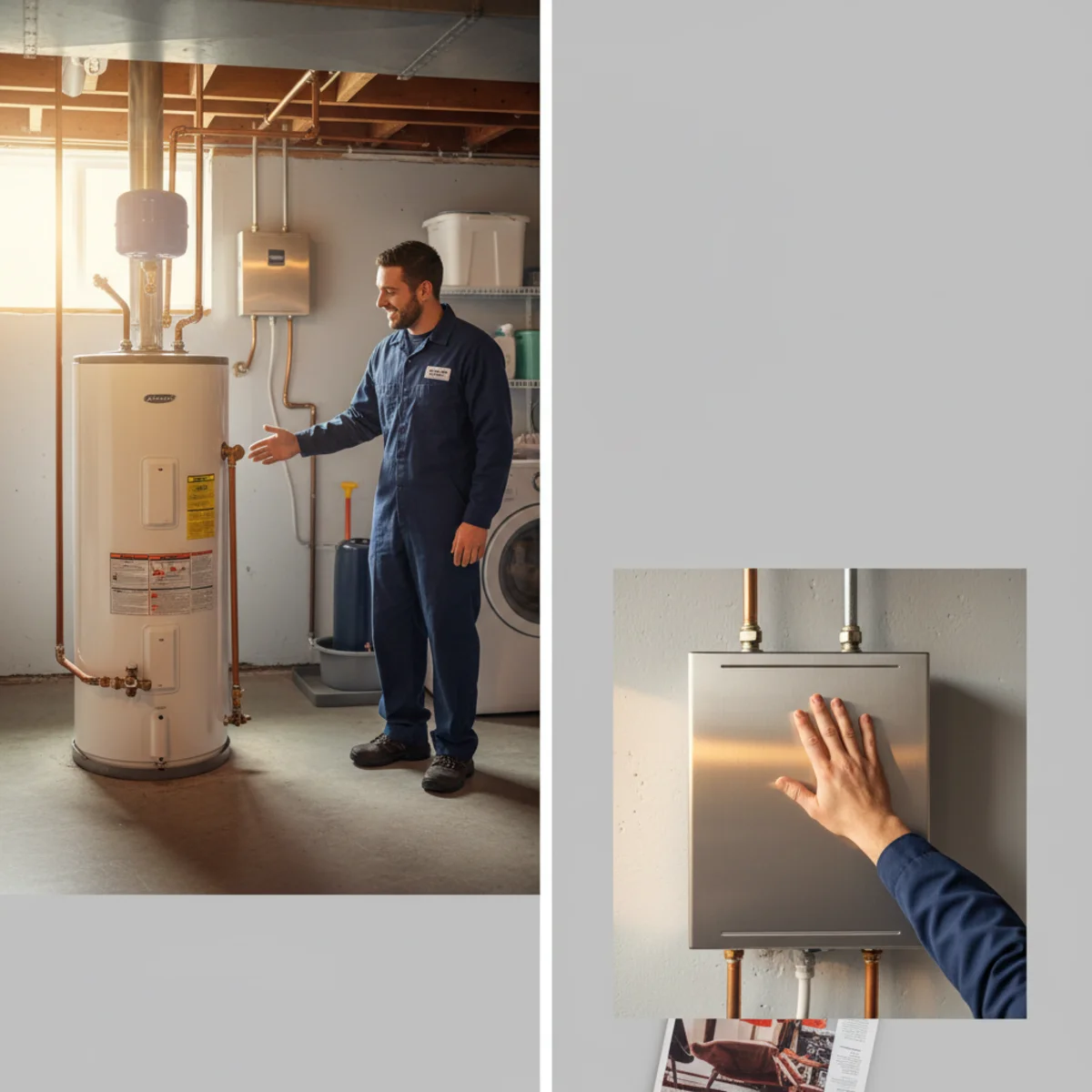
Tankless vs. Tank Water Heater: Which Is Right for You?
Tankless water heaters offer endless hot water and longer lifespan, but tank units cost less upfront and work well for most households. Here's how to choose for a Lebanon, PA home.
7 min read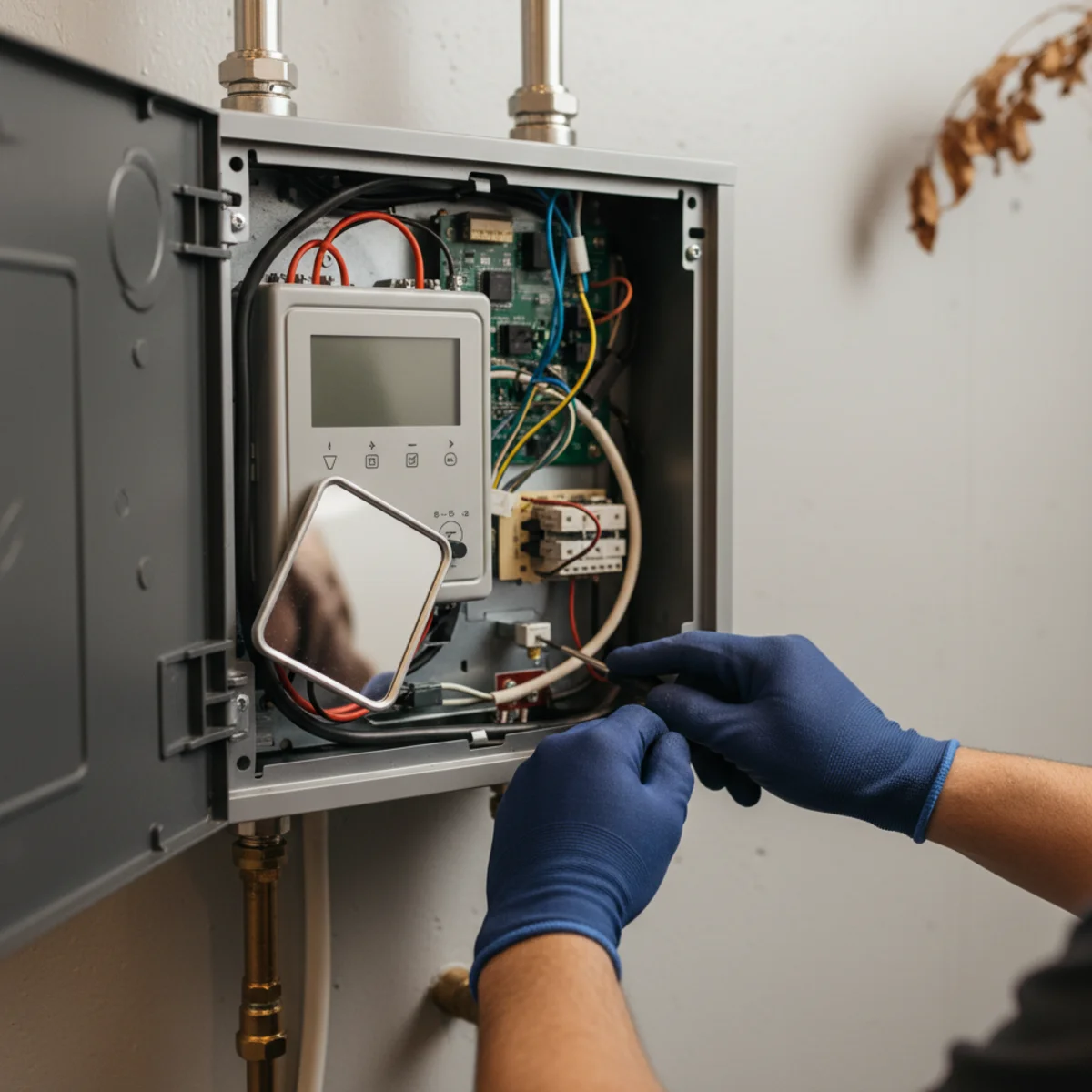
Tankless Water Heater Error Codes: What They Mean
That blinking code on your tankless water heater display is telling you something specific. Most codes point to one of a handful of known failure modes — and knowing which one saves you a lot of guessing.
6 min read